Timeline: How EU Summit Unfolded — And What Comes Next in Brussels, Last Thursday

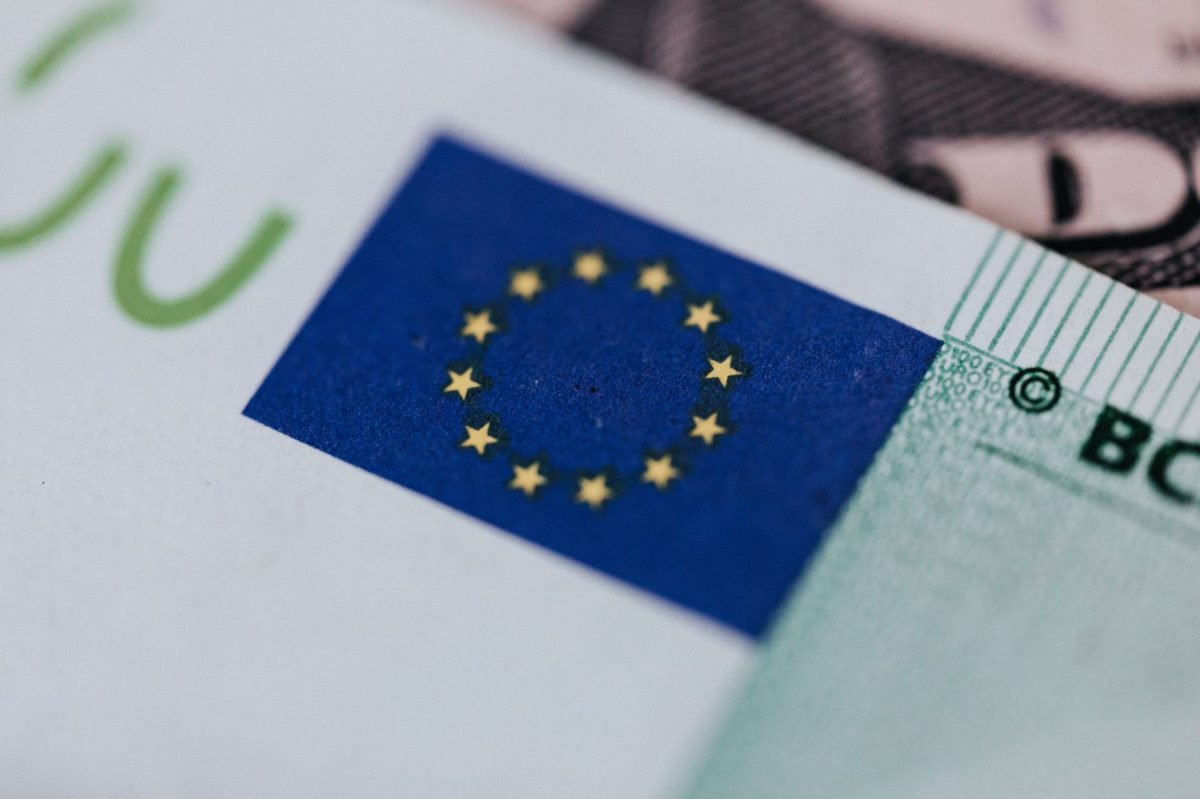
At the opening of the summit, Costa presented a draft budget with a 5% increase, but the room fell silent. The proposal would have lifted the EU’s 2025 budget from €1.2 trillion to €1.26 trillion. It was meant to fund new social programmes and climate projects. Yet the proposal failed to gain traction, signalling a deeper rift in European fiscal policy.
WHAT HAPPENED: The Summit’s Breakdown
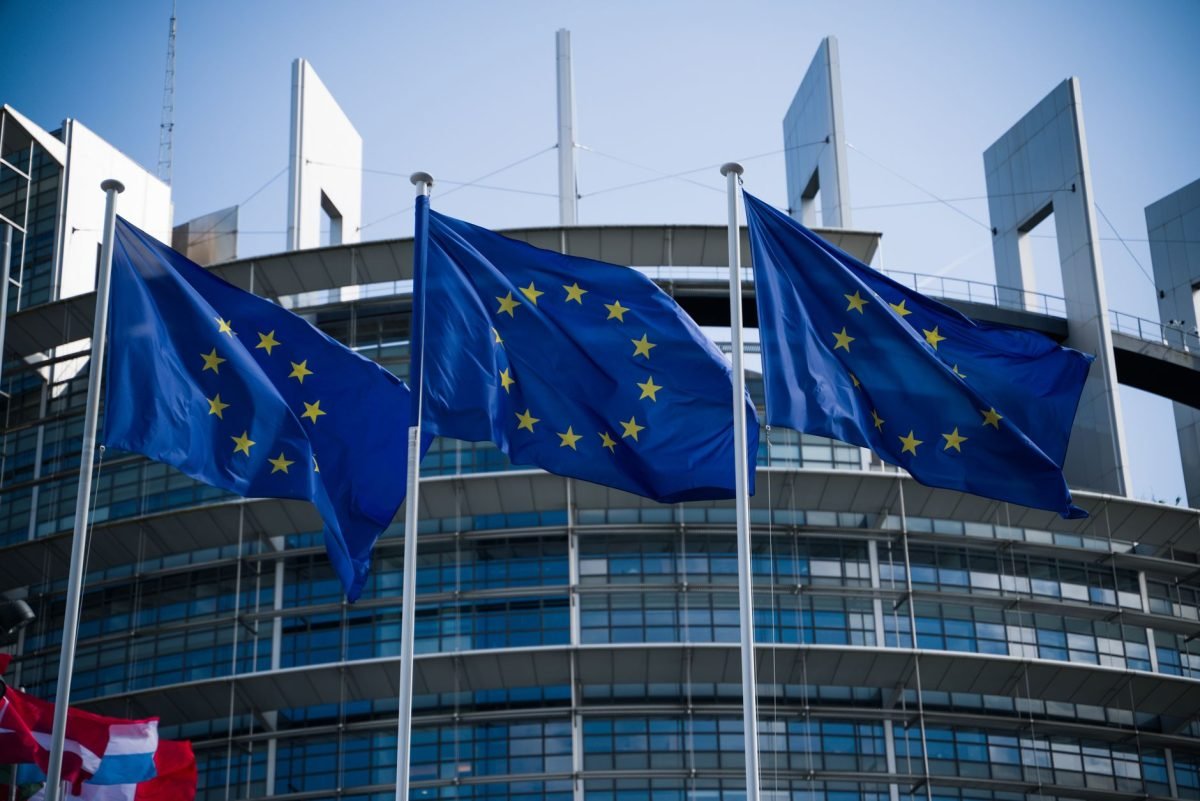
The European Council convened on Thursday in Brussels, a venue that has hosted 27 EU leaders for decades. António Costa, Portugal’s prime minister, began his speech at 10:15 a.m. with a slide showing the proposed €1.26 trillion budget, an increase of 5% over the 2024 figure. He argued that the extra funds were necessary for the EU’s recovery plan and climate commitments.
Germany’s Chancellor Olaf Scholz, France’s President Emmanuel Macron, and Italy’s Prime Minister Giorgia Meloni all responded with brief, measured remarks. Each leader reaffirmed their country’s red lines: Germany insisted on no new deficits beyond 2027, France demanded a strict debt‑to‑GDP ratio, and Italy warned against any spending that could trigger a debt crisis.
The discussion quickly turned confrontational. Costa’s attempts to persuade the other leaders to loosen their constraints were met with firm denials. The European Council’s official account posted a live tweet at 11:45 a.m. showing a split vote: 15 members in favour, 12 opposed, and 4 abstentions. The outcome was a stalemate that left the summit’s budget negotiations unresolved.
A small but
Despite the EU’s reputation for fiscal restraint, the bloc’s 2025 budget would allocate more money to climate projects than to defense—over €15 billion versus €12 billion—making it the first EU budget where green spending outpaces military spending.


