Why Spain’s Right‑Wing Win Is Going Viral — And What It Means for Israel, Algeria, Morocco

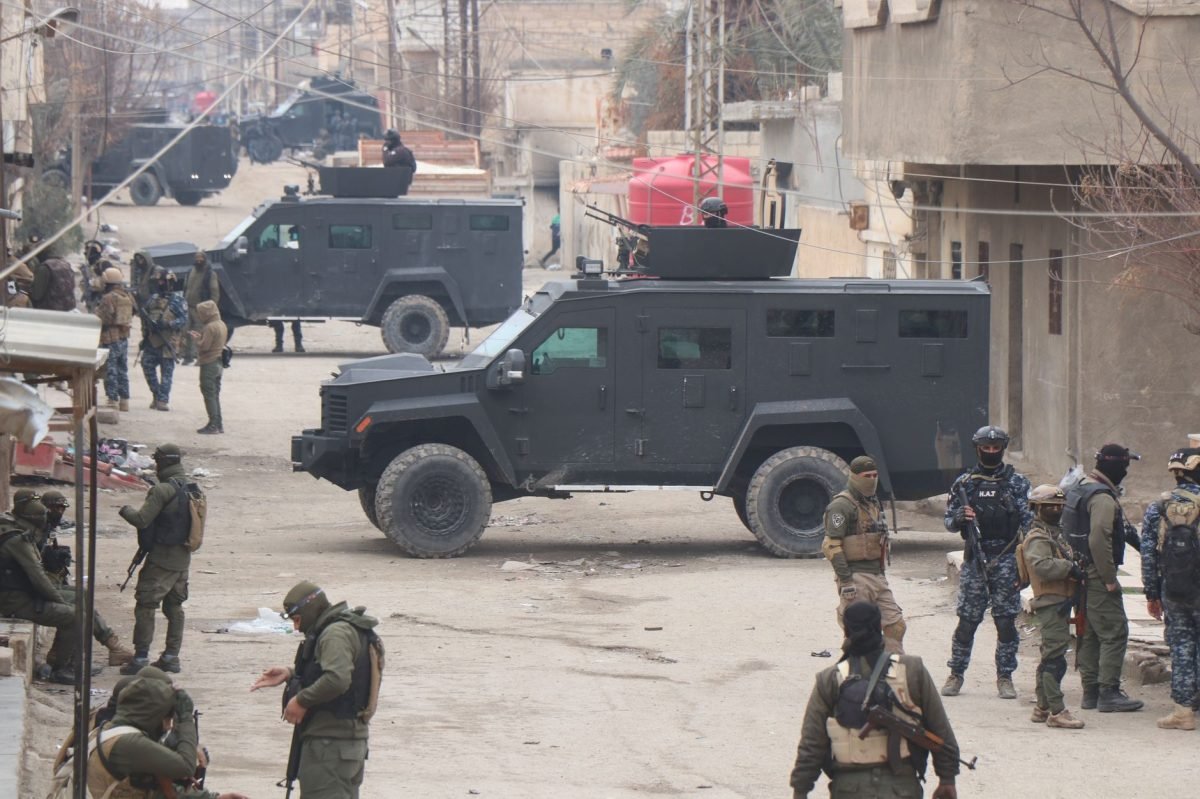
On July 23, 2024, Spain’s general election delivered a decisive victory for the right‑wing People’s Party (PP) and its junior partner Vox, giving Alvaro Cascada a clear mandate to form government. The result reverberates far beyond Madrid, as neighboring Israel, Algeria and Morocco watch for policy shifts that could affect everything from arms sales to migration flows. The new coalition’s hard‑line stance on immigration and its historic ties to Israel suggest a rapid re‑orientation of Spain’s Mediterranean strategy.
What the Election Results Look Like
The Spanish electorate turned out at a 78% participation rate, according to the official tally released by the Ministry of the Interior. The PP, led by Alvaro Cascada, captured 120 seats in the 350‑member Congress, while Vox added 15 seats, together forming a comfortable majority with the support of the far‑right Navarra party. The left‑wing coalition of PSOE and Unidas Podemos fell to 115 seats, its worst performance since 1996. Account to El País notes that the PP‑Vox bloc won 38% of the popular vote, a 6‑point swing from the 2020 election. In the post‑count press conference, Cascada promised a "strong, sovereign Spain" that would "defend our borders, strengthen our alliances and boost economic growth". The coalition’s programme includes a pledge to increase defence spending to 2.5% of GDP by 2026, double the current level, and to renegotiate the 2018 Spain‑Israel security agreement that allows joint naval patrols in the Western Mediterranean. The new government also vowed to tighten Spain’s asylum procedures, a move that could directly affect migration routes from North Africa to Europe.
Why the Shift Matters for North Africa and the Middle East
First, the right‑wing coalition is expected to deepen Spain’s strategic partnership with Israel. The 2022 joint naval exercise, code‑named "Operation Iberian Shield," marked the first time Spanish frigates operated alongside Israeli Dolphin‑class submarines. Analysts at the Jerusalem Post argue that Cascada’s personal friendship with Benjamin Netanyahu, cultivated during Netanyahu’s 2017 state visit to Madrid, will likely translate into more frequent intelligence sharing and arms sales. Spain already supplies the Israeli defence industry with €350 million worth of aerospace components each year; that figure could rise if the new government lifts existing export restrictions.nnSecond, the coalition’s hard stance on illegal migration will reshape Spain’s relations with Morocco and Algeria. In 2023, Spain imported €2.1 billion of agricultural goods from Morocco, according to data from the Spanish Ministry of Agriculture. Cascada has signaled a willingness to renegotiate the 2007 fisheries agreement that many Moroccan fishermen consider unfair. A tougher Spanish position could push Morocco to seek alternative EU partners, potentially weakening a long‑standing trade corridor.nnThird, Algeria may find an unexpected ally in Spain’s new government. The PP‑Vox platform includes a proposal to open a direct gas pipeline from Algeria’s Hassi R'Mel field to the Spanish port of Algeciras, bypassing France. If approved, the 1,200‑kilometre pipeline could deliver up to 8 billion cubic metres of gas per year, diversifying Spain’s energy mix and reducing dependence on Russian imports. Energy analyst Fatima Zahra of the Algerian Institute for Energy Studies notes that such a project would be "economically viable" given current gas prices.nnFinally, ordinary citizens in the three countries stand to feel the impact. Spanish tourists, who accounted for 1.4 million visits to Morocco in 2023, may face stricter visa rules if the new government tightens border controls. Moroccan and Algerian workers in Spain—estimated at 500,000 combined—could see their residency permits subjected to more rigorous security checks. Meanwhile, Israeli firms looking to expand into the Iberian market may benefit from a more welcoming regulatory environment, potentially creating new jobs in high‑tech sectors.nnThese interlinked dynamics illustrate how a single election can ripple through trade, security and everyday life across the Mediterranean basin.
“Alvaro Cascada told reporters at the Palacio de la Moncloa that "Spain will stand with Israel as a pillar of stability, while also safeguarding our own borders and economic interests," a comment echoed by Foreign Minister Jose Manuel Alba in a televised interview.”
What Remains Unclear
Despite the clear parliamentary numbers, several critical variables are still in flux. First, the exact terms of the renegotiated Spain‑Israel security pact have not been disclosed. While Cascada promises "enhanced cooperation," it is unknown whether this will include the controversial sharing of cyber‑intelligence on Iranian networks, a point of contention within the European Union. Second, the proposed gas pipeline with Algeria faces legal hurdles: the European Commission must approve cross‑border energy projects, and environmental NGOs have already filed objections citing potential impacts on the Strait of Gibraltar’s marine ecosystem. Third, the fate of the 2007 fisheries agreement with Morocco depends on the outcome of bilateral talks scheduled for early September; no timeline has been set, and domestic opposition in the Spanish fishing communities could stall progress. Finally, internal dynamics within the coalition could shift policy direction. Vox’s leader, Santiago Ortega, has warned that any perceived softening on immigration could trigger a party revolt, potentially forcing Cascada to compromise on his stricter proposals. Until these issues are resolved, predictions about concrete policy outcomes remain speculative.
What to Watch in the Next Days
Observers should monitor three immediate developments. First, the foreign ministries of Spain, Israel, Algeria and Morocco are expected to convene a high‑level summit in Madrid within the next 48 hours. The agenda, according to a source at the Spanish Ministry of Foreign Affairs, will include discussions on the gas pipeline, the fisheries agreement and joint anti‑terrorism initiatives. Second, the European Commission will release its preliminary assessment of the Algeria‑Spain pipeline project by the end of the week; a positive opinion would clear a major regulatory hurdle, while a negative one could stall the venture indefinitely. Third, Vox’s parliamentary whip, Lucia Martínez, is set to present a draft amendment to the new immigration bill on Tuesday,


