EU Leaders Divided on 2024‑2030 Budget and $49 B Loan for Ukraine

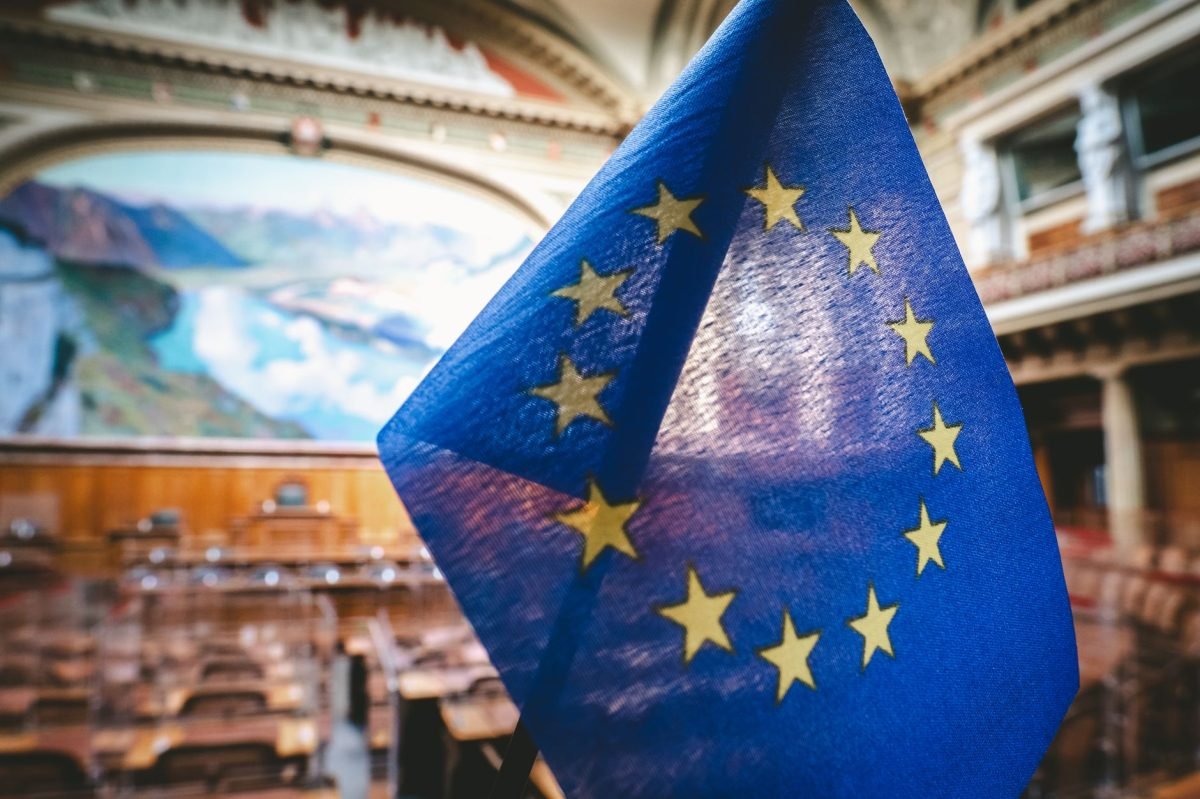
On Tuesday, finance ministers gathered in Brussels and left without a consensus on the EU’s seven‑year budget framework. French President Emmanuel Macron warned that the deadline for an agreement is 31 December, putting pressure on the negotiations. The stalemate centres on the size of the overall budget and a proposed $49 billion loan to Ukraine. The outcome will shape EU policy on defence, climate and cohesion for the next decade.
What Happened at the Brussels Budget Summit
The European Council met on 12 December in Brussels to discuss the Multi‑annual Financial Framework (MFF) that will run from 2024 to 2030. Account to Reuters shows that 22 of the 27 member states voted against the French‑drafted proposal, which called for a 0.5 % increase in GDP‑linked spending and a $49 billion loan to Ukraine. Germany, the Netherlands and Sweden argued the loan would push the overall budget beyond the €1.1 trillion ceiling set by the EU’s own rules. Italy and Poland pushed for deeper cuts to the cohesion fund, citing domestic fiscal pressures. The meeting ended with a statement that “no political agreement was reached,” and the Council will reconvene in early January. A small concrete detail: the French delegation presented a spreadsheet estimating that the loan would be repaid over a 30‑year period with a 1.5 % interest rate, a figure that sparked the most heated debate.
Why the Split Matters for Europeans
The impasse over the MFF has immediate implications for citizens across the bloc. First, the budget shortfall threatens funding for the EU’s flagship climate‑neutrality program, which aims to cut emissions by 55 % by 2030. Without a clear financial pathway, member states risk missing EU‑wide targets, potentially exposing industries to carbon‑border taxes. Second, the disagreement over the Ukraine loan reflects divergent security priorities. Countries in the east see the loan as a cornerstone of European defence, while western states worry about fiscal sustainability. This divide could affect the speed at which NATO‑aligned equipment is purchased, influencing the safety of border regions. Third, cohesion funds that support infrastructure in less‑developed regions — such as road upgrades in the Balkans — are at risk of being reduced. Rural communities that depend on these projects may face slower economic growth, widening the north‑south divide. Finally, the budget deadlock erodes confidence in EU institutions, which could fuel eurosceptic narratives ahead of the 2024 European Parliament elections. The longer the stalemate persists, the more likely it is that national governments will resort to unilateral spending measures, undermining the principle of shared fiscal responsibility.
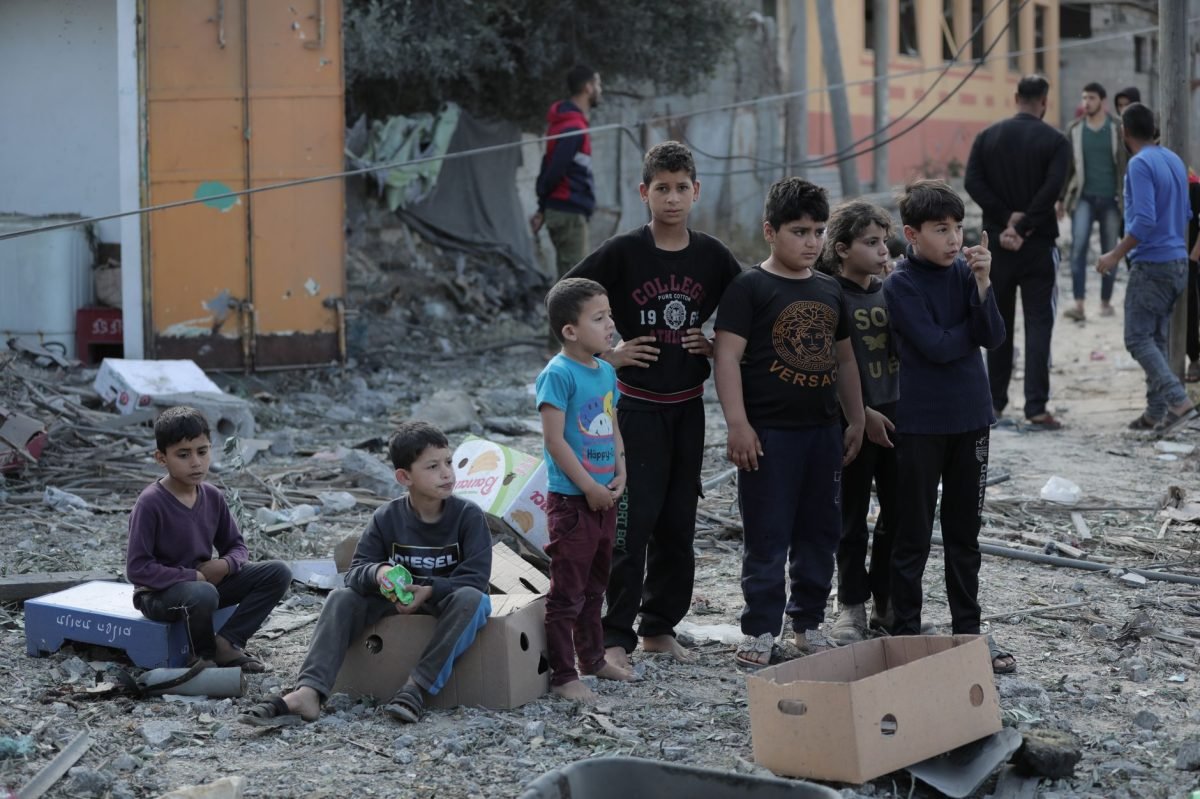

“EU Commission President Ursula von der Leyen told a press conference on 13 December that the loan to Kyiv is ‘essential for European security and for demonstrating solidarity, but it must be financed responsibly within the MFF framework.’”
What We Don’t Know Yet
Several critical questions remain unanswered as the EU heads into the new year. It is unclear whether the Council will adopt a compromise that includes a reduced loan amount or alternative financing mechanisms, such as issuing EU‑wide bonds. The stance of the European Parliament, which will ultimately vote on the final text, is still being gauged; some members are pushing for a stronger climate budget, while others demand tighter fiscal rules. Additionally, the impact of the ongoing energy crisis on member‑state budgets could force unexpected concessions, but the exact magnitude of those pressures is not yet quantified. Negotiators have not disclosed how the proposed interest rate on the Ukraine loan will be structured, nor how repayment will be linked to Ukraine’s economic performance. Finally, the response of non‑EU NATO allies, particularly the United States, could influence the final shape of the loan, but their position has not been publicly articulated.
What to Watch in the Next Days
In the coming 24‑72 hours, the key indicator will be the outcome of the informal “trilogue” talks scheduled for 15 December between the Council, the European Parliament and the Commission. Observers will look for any shift in the language around the loan’s interest rate and repayment schedule. A second signal will be the statements from German Finance Minister Christian Lindner, who is expected to outline Germany’s red‑line on budget caps. Third, the EU’s diplomatic corps will release a briefing on how the loan fits into the broader European Security Strategy, which could sway undecided member states. Finally, market reactions — particularly the price of EU sovereign bonds — will provide a real
If the EU were a single country, its $49 billion Ukraine loan would be larger than the entire


