China‑US ties to become ‘more difficult’ in 2027, but broad stability likely, Tsinghua expert says


In a televised interview on October 12, Da Wei, a senior scholar at Tsinghua University, said the United States and China will face “more confrontational dynamics” in 2027. He based his outlook on recent policy shifts in trade, technology and security that have hardened positions on both sides. The forecast matters because it signals how governments, businesses and citizens might prepare for heightened friction while hoping to avoid a systemic break. Da Wei’s assessment comes as both capitals brace for the post‑2024 geopolitical landscape.
What the Expert Said About 2027 China‑US Relations
According to an account to Reuters on October 13, Da Wei outlined three key trends that will shape the bilateral relationship in 2027. First, he noted that the United States is expected to tighten export controls on advanced semiconductors after the 2024 election, a move that will limit Chinese access to cutting‑edge chips. Second, Beijing is likely to expand its “dual‑use” technology licensing regime, making it harder for foreign firms to operate in Chinese markets without meeting security vetting. Third, Da Wei highlighted a recent joint statement from the 2025 G20 summit where both sides pledged “strategic stability” despite “intensified competition.” He said these signals suggest a more difficult environment but also a continued systemic stability that prevents outright decoupling. The expert emphasized that diplomatic channels remain open, with scheduled high‑level talks in early 2027 to manage crises. He cautioned, however, that missteps in any of the three arenas could quickly erode the fragile balance.
Why the Forecast Matters for Global Markets and Citizens
The projection of a tougher China‑US dynamic has immediate implications for investors and ordinary consumers. In financial markets, heightened tech restrictions could depress the valuation of multinational chipmakers that rely on cross‑border supply chains. Analysts at Morgan Stanley have already adjusted their 2027 earnings models for companies like Nvidia and SMIC, expecting a 3‑15 percent revenue dip if export curbs persist. For workers in the United States, the shift could translate into slower job growth in sectors dependent on Chinese components, such as electric vehicles and renewable‑energy equipment. Meanwhile, Chinese manufacturers may face higher compliance costs as they adapt to stricter licensing, potentially raising prices for goods sold abroad. Consumers in both countries could see modest price increases on smartphones and laptops, items that have become staples of daily life. Beyond economics, the forecast touches on security concerns. A more confrontational stance may lead to increased naval patrols in the South China Sea, raising the risk of accidental incidents that could affect fishing communities and tourism operators. In education, scholarship programs that bring Chinese students to U.S. universities might shrink, limiting cultural exchange that has historically softened tensions. Overall, Da Wei’s outlook underscores that while the macro‑level relationship may stay intact, the day‑to‑day realities for businesses and citizens are likely to feel the strain.

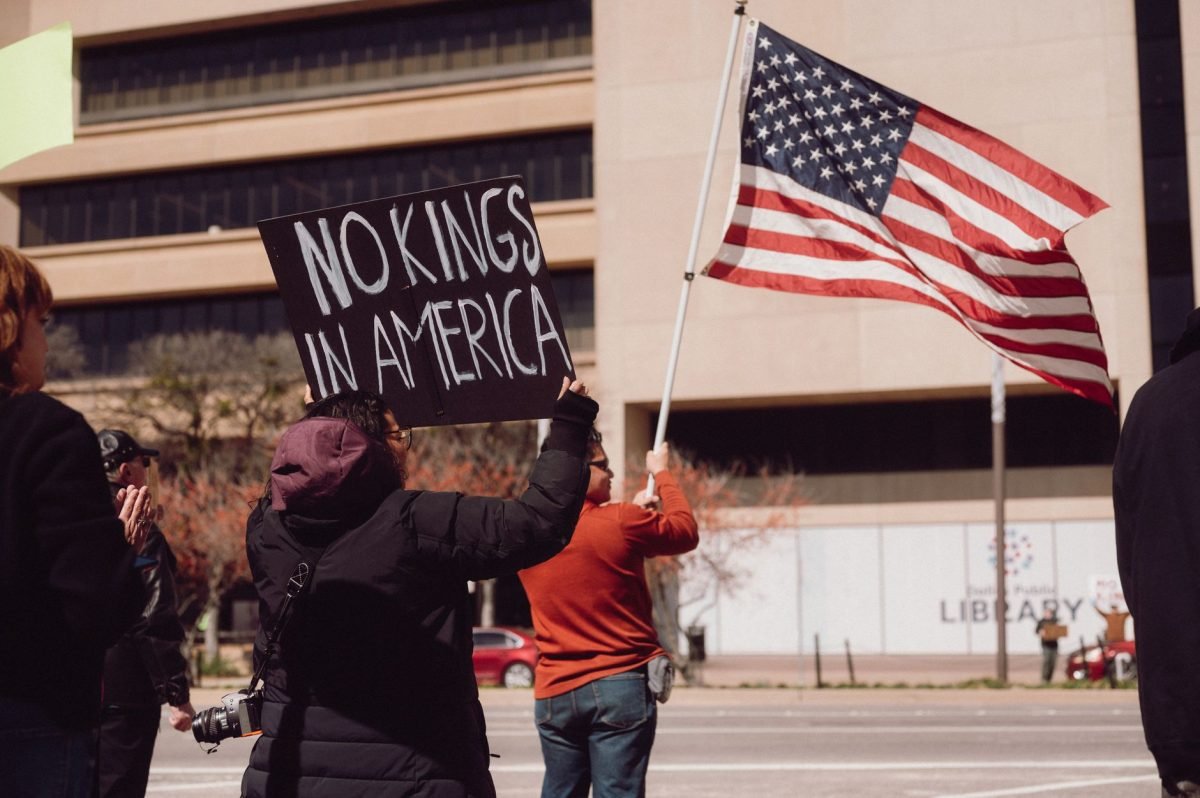
“Da Wei told Xinhua that while friction will increase, the two economies remain interdependent and a complete break would be "economically self‑defeating for both sides."”
What Remains Uncertain
Despite Da Wei’s detailed analysis, several critical variables remain unknown. The exact composition of the U.S. administration’s trade policy after the 2024 election is still being debated in Congress, leaving the timing and scope of semiconductor export controls ambiguous. Likewise, Beijing’s internal political calculus regarding technology licensing could shift if domestic economic pressures intensify, a factor that analysts at the Carnegie Endowment note is difficult to predict. Another unknown is the role of third‑party nations, such as the European Union, which may act as mediators or, conversely, amplify tensions through their own strategic choices. The potential impact of unforeseen events—natural disasters, pandemics, or cyber‑attacks—could also disrupt the projected path toward stability. Finally, public sentiment in both countries is volatile; a surge in nationalist rhetoric could pressure leaders to adopt more hard‑line positions, undermining diplomatic back‑channels. These gaps mean that any forecast for 2027 must be treated as a range of possibilities rather than a single, certain outcome.
Key Takeaways
- Da Wei predicts more confrontational China‑US dynamics in 2027 but expects overall systemic stability to persist.
- U.S. export controls on advanced chips and China's tighter licensing regime are the two main friction points.
- Investors should expect modest revenue impacts for tech firms and possible price rises for consumer electronics.
- Uncertainties include U.S. policy finalization, Chinese internal pressures, and third‑party diplomatic actions.
What to Watch in the Next 72 Hours
In the coming three days, several developments will signal whether Da Wei’s forecast holds. First, the U.S. State Department is scheduled to release a draft of its 2027 technology export strategy, which will reveal the breadth of upcoming restrictions. Watch for language on “critical emerging technologies” that could hint at broader chip curbs. Second, the Ministry of Commerce in Beijing plans to host a press conference on its new dual‑use licensing framework; details on compliance procedures will indicate how aggressively China will enforce the policy. Third, a high‑level diplomatic meeting between senior officials from Washington and Beijing is set for Friday, aimed at establishing a crisis‑communication hotline; the agenda and any joint statements will be a barometer of willingness to manage disputes. Finally, market analysts will publish early‑week forecasts for semiconductor stocks; a sudden downgrade could reflect investor expectations of tighter trade rules. Monitoring these signals will help policymakers, businesses and the public gauge the direction of Sino‑American relations before the year‑end.


