The Truth About the 2024 House Sweep and COP31 Stalemate Is More Complicated Than You Think

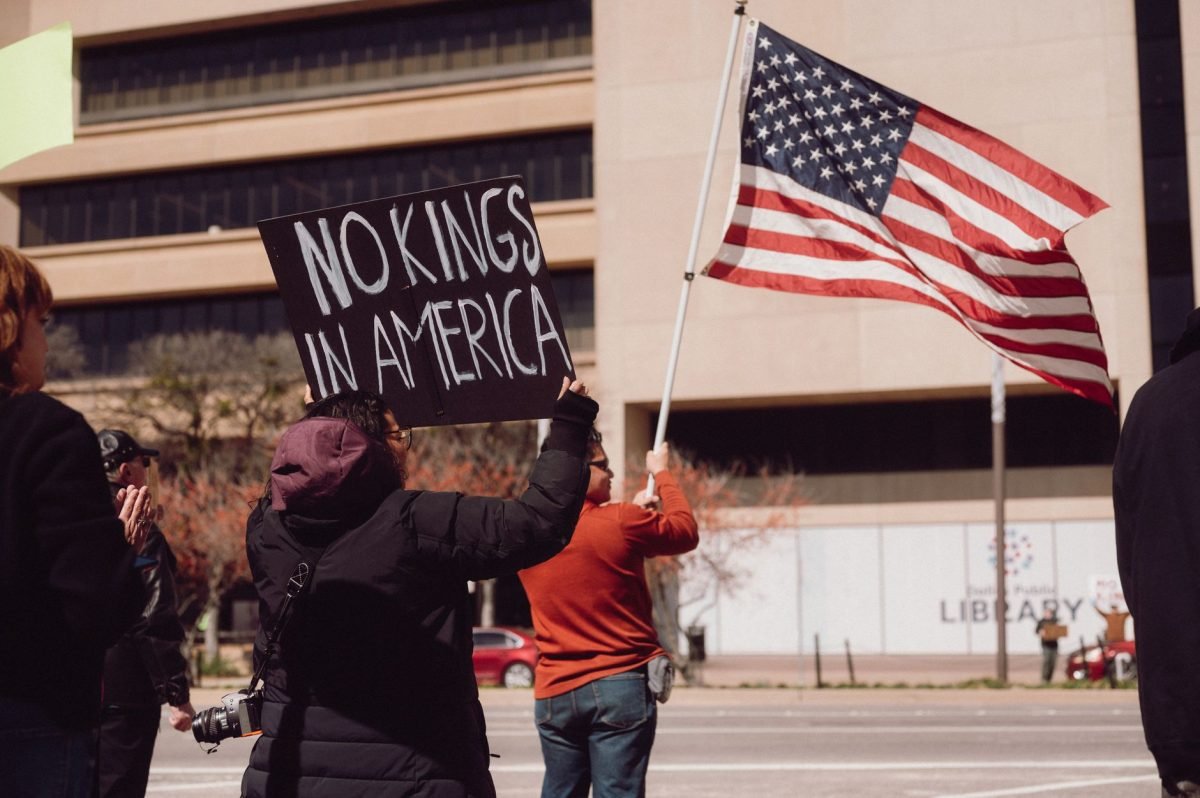
On November 15, the U.S. House of Representatives settled into Democratic control with a net gain of 47 seats, the biggest swing since the 1974 midterms. The shift gives the party a 235‑200 majority, enough to override a Republican filibuster on most legislation. At the same time, the United Nations climate summit in Egypt concluded without a binding agreement, despite being the longest COP in history. Both outcomes reshape policy debates and everyday lives across the globe.
What Happened: Election Results and the End of COP31
The 2024 midterm elections delivered a historic swing for the Democratic Party. According to the Associated Press, Democrats captured 47 additional House seats, pushing their total to 235 out of 435. Analysts from the Brookings Institution note that the party could still flip two more districts before final certification, bringing the margin to a 237‑198 advantage—the largest Democratic gain in half a century. The wins spanned swing districts in Pennsylvania, Ohio, and Arizona, with Representative Katie Porter (D‑CA) reclaiming her seat after a narrow 2022 loss.
Meanwhile, the 31st United Nations Climate Change Conference (COP31) wrapped up on November 16 in Sharm El‑Sheikh, Egypt. The conference was scheduled for ten days but extended to twelve, making it the longest in the summit’s 30‑year history, as reported by Reuters. Delegates from 197 countries gathered in the Al‑Mansoura Convention Center, but negotiations stalled over financing for loss‑and‑damage compensation and the pace of phasing out coal. No final text was adopted, and the summit closed with a “non‑binding political declaration” that many environmental NGOs called a missed opportunity.
Why It Matters: Policy Shifts and Everyday Impact
The Democratic majority reshapes the legislative landscape in ways that will be felt at the kitchen table. With control of the House, Democrats can advance the Inflation Reduction Act’s clean‑energy provisions without Republican obstruction, potentially expanding tax credits for solar panels and electric vehicles. The Energy Information Administration projects that, if fully implemented, these incentives could cut average household electricity bills by up to $150 per year.
In health policy, the new majority clears the path for the bipartisan expansion of the Affordable Care Act’s enrollment period, which could extend coverage to an estimated 5 million uninsured Americans, according to the Kaiser Family Foundation. This change would directly affect low‑income families and seniors who rely on marketplace plans.
On the climate front, the lack of a COP31 deal leaves the global emissions reduction trajectory unchanged. The International Energy Agency warns that without a new binding agreement, the world is on track for a 2.7 °C temperature rise by 2100, jeopardizing coastal communities. The absence of financing mechanisms for vulnerable nations also means that regions like the Sahel and the Philippines will continue to face unmitigated disaster costs, a burden that often falls on taxpayers in donor countries.


““The House outcome gives us the leverage to finally move climate legislation forward, but the failure at COP31 reminds us that global cooperation is still fragile,” Senator Tammy Baldwin said in a post‑election interview with NPR.”
What We Don’t Know Yet: Open Questions and Uncertain Outcomes
Despite the clear numbers, several uncertainties linger. First, the final certification of two contested districts—Georgia’s 7th and Nevada’s 3rd—could shift the Democratic margin by a single seat, a detail the Federal Election Commission will confirm in the coming weeks. Second, while the House now controls the agenda, the Senate remains split 50‑50, and any major legislation will still require bipartisan support or a filibuster exemption, a procedural hurdle that remains undefined.
On the climate side, the non‑binding declaration from COP31 leaves open the question of whether a formal agreement can be reached before the next summit in 2025. Negotiators have hinted at a possible “bridge funding” mechanism, but no details have been disclosed. Moreover, the extended timeline of the conference raised concerns about delegate fatigue and its effect on future negotiations, a factor that climate policy scholars at Columbia University are still studying. Until these gaps are filled, the real impact of both events will remain partially speculative.
Key Takeaways
- Democrats secured a 235‑200 House majority, the largest swing in 50 years, after flipping 47 seats.
- COP31 in Sharm El‑Sheikh ran two extra days, becoming the longest climate summit yet, but ended without a binding pact.
- The new House majority could expand clean‑energy tax credits, potentially lowering average U.S. electricity bills by $150 annually.
- Absence of a COP31 deal leaves global emissions pathways unchanged, risking a 2.7 °C rise by 2100 according to the IEA.
What to Watch: Near‑Term Developments in Washington and the Climate Arena
In the next 24‑72 hours, attention will focus on the House leadership’s first legislative agenda. Speaker-elect Hakeem Jeffries is expected to announce a schedule for the Clean Energy Innovation Act within the next two days, a move that will signal how quickly the new majority intends to act. Watch also for statements from Senate Majority Leader Chuck Schumer, who may propose a filibuster reform to ease the passage of climate bills.
Internationally, the United Nations climate secretariat will release a post‑COP31 briefing paper on November 20, outlining potential pathways for a 2025 agreement. Environmental NGOs such as Greenpeace plan a coordinated media campaign to pressure major emitters, especially the United States, China, and India, to commit to net‑zero targets ahead of the next summit. Monitoring these signals will help gauge whether the momentum from the U.S. election can translate into concrete climate action on the global stage.
The Al‑Mansoura Convention Center, where COP31 concluded, was originally built in 2003 as a maritime trade hub, according to the Egyptian Ministry of Tourism.
The twin headlines of a historic House shift and a stalled climate summit illustrate how domestic politics and global negotiations intersect. For ordinary Americans, the new congressional balance could bring tangible benefits—lower energy costs and expanded health coverage—while the lack of an international climate accord keeps the threat of extreme weather and rising seas very real. As lawmakers convene and diplomats regroup, citizens will watch closely to see whether promises translate into policies that protect both their wallets and their planet.


