Over 1,700 Cost‑of‑Living Protests Spread from France to 31 European Nations Since September


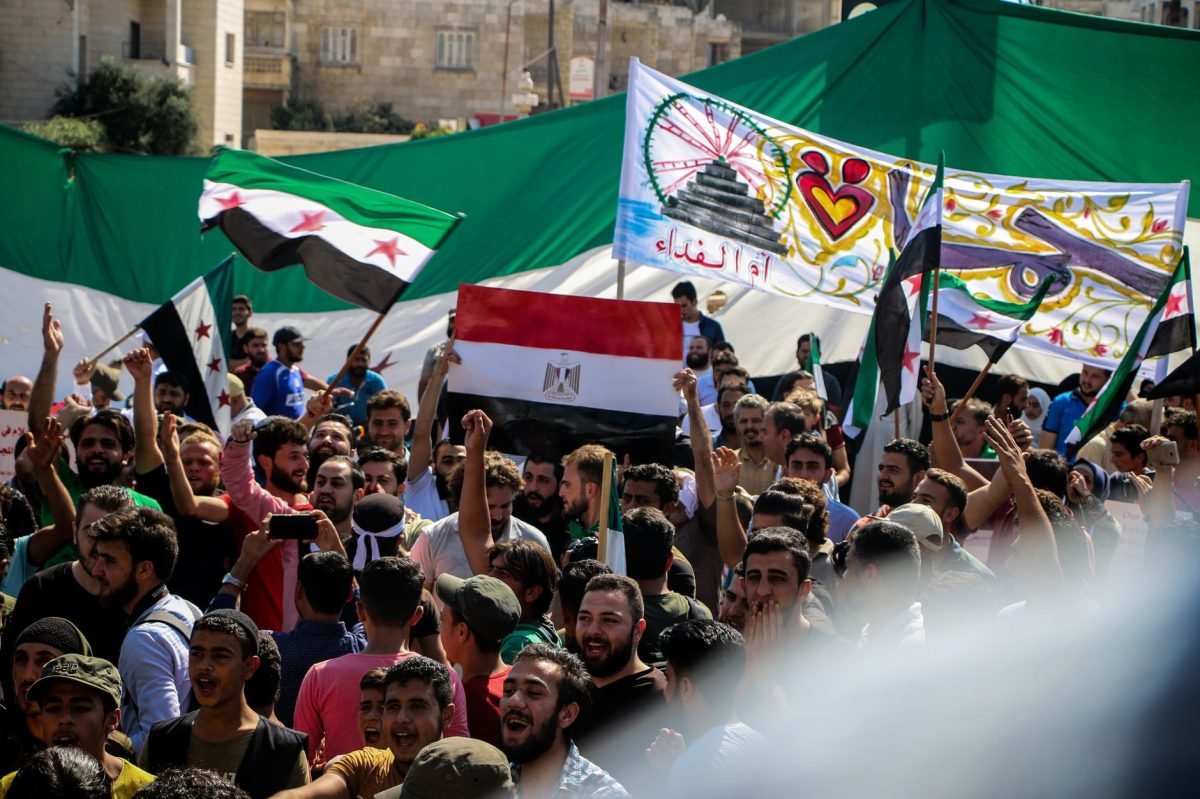
On 12 October, a rally of roughly 15,000 workers marched through central Paris demanding higher wages and tighter rent controls. That protest marked the 150th major demonstration in a wave that began in France in mid‑September. The unrest quickly crossed borders, sparking rallies in Berlin, Madrid, Brussels and beyond. Policymakers now face mounting pressure to address inflation without triggering further social upheaval.
What Happened: Timeline and Scope
The first large‑scale protest erupted on 15 September in Paris when the CGT union organized a sit‑in at the Ministry of Finance, drawing about 8,000 participants. Within a week, similar gatherings appeared in Lyon, Marseille and Lille, each attracting between 3,000 and 12,000 demonstrators. By early October, the movement had leapt beyond France's borders. In Berlin, a coalition of trade unions and consumer‑rights groups staged a 10‑hour march that ended outside the Bundestag on 3 October, with estimates of 6,500 attendees. Brussels saw a sit‑in at the European Commission headquarters on 7 October that lasted eight hours and involved roughly 2,200 protestors demanding a EU‑wide price‑cap on energy bills. By 20 October, the count had risen to more than 1,700 separate demonstrations across 31 European nations, according to an account to the European Trade Union Institute (ETUI). The protests have been coordinated through social‑media platforms, especially Telegram channels that share real‑time logistics, and have been characterized by a mix of union‑led rallies, spontaneous neighborhood walks, and student‑led sit‑ins. While the core grievance is the rising cost of living—particularly energy, food and housing—the specific demands vary: French workers call for a minimum wage increase of €200 per month, German demonstrators press for a temporary gas price ceiling, and Spanish participants request a freeze on rental hikes for the next year. The geographic spread shows a clear pattern: coastal and industrial regions with higher unemployment rates have been the most active, while wealthier northern states such as Denmark and the Netherlands have recorded fewer, smaller gatherings. The wave's momentum appears to be driven by a combination of shared economic strain and a sense of solidarity cultivated by trans‑national union networks.
Why It Matters: Economic and Political Impact
The protests are reshaping the political calculus in several ways. First, they are forcing national governments to revisit fiscal policies that were previously considered untouchable. In France, Prime Minister Élisabeth Borne announced a €7 billion emergency relief package on 14 October, a move directly attributed to the pressure from the street. In Germany, Chancellor Olaf Scholz hinted at a temporary reduction in the electricity surcharge, a concession that mirrors the French response and signals a broader European willingness to intervene in markets. Second, the unrest is amplifying the voice of labor unions, which had seen a decline in influence after the 2008 financial crisis. Union membership in France has risen by 3 percent since September, according to data from the French Confederation of Labour (CFDT). This resurgence is prompting legislators to engage more closely with union leaders during budget negotiations, potentially altering the trajectory of upcoming EU fiscal rules. Third, the protests are exposing the limits of the European Union's current economic governance. The European Commission has so far issued a non‑binding recommendation for member states to coordinate price‑control measures, but no binding legislation has emerged. This gap highlights the tension between national sovereignty and the need for a coordinated response to inflation, a dilemma that could shape the next round of EU treaty reforms. For ordinary citizens, the immediate effect is a heightened sense of empowerment; many participants report feeling that their collective action is finally being heard by policymakers. However, there is also a growing anxiety that short‑term concessions could lead to longer‑term fiscal deficits, potentially jeopardizing social programs that the protests aim to protect. The duality of short‑term relief versus long‑term fiscal health creates a delicate balancing act for governments across the continent.
“Jean‑Claude Bouchard, senior analyst at Institut Montaigne, told reporters that the protests signal a tipping point for public tolerance of price hikes and force policymakers to consider more radical redistribution measures.”
What We Don't Know Yet
Despite the flood of demonstrations, several key uncertainties remain. Analysts are still unable to quantify the exact impact of the protests on inflation trajectories because price data lags behind real‑time events. It is unclear whether the temporary relief packages announced in France, Germany and Spain will be sufficient to curb future unrest or merely provide a short‑lived pacification. Moreover, the role of external actors—such as Russian energy suppliers or multinational corporations—has not been fully mapped; some observers suspect that coordinated lobbying may be influencing the pace and focus of governmental concessions. Another blind spot is the long‑term sustainability of the protest network itself. While social‑media platforms have facilitated rapid mobilization, they also expose organizers to surveillance and platform‑policy changes that could disrupt communication channels. Finally, the response of the European Parliament remains ambiguous. Will the Parliament push for a binding EU‑wide price‑control mechanism, or will it defer to national governments, risking a fragmented approach? These unanswered questions mean that the trajectory of the movement could shift dramatically in the coming weeks, depending on how governments, unions and citizens adapt.
What to Watch in the Next Days
In the next 24‑72 hours, several developments will be critical indicators of the wave's direction. First, monitor the upcoming press conference scheduled by French President Emmanuel Macron on 23 October, where he is expected to outline a revised anti‑inflation strategy that may include a temporary cap on gasoline prices. Second, watch for a coordinated strike call by the European Federation of Trade Unions (ETUC) slated for 25 October, which could bring together workers from the transport, education and health sectors across at least ten countries. Third, keep an eye on the European Commission's draft proposal for a cross‑border energy price monitoring system, slated for release on 26 October; the proposal could set the stage for a more unified EU response. Fourth, observe any escalation in police tactics, especially in cities like Brussels and Madrid where authorities have previously deployed water cannons to disperse crowds. Finally, track the sentiment on major messaging apps such as Telegram and Signal, where organizers often share last‑minute rally locations; spikes in activity could foreshadow surprise demonstrations in smaller towns that have so far remained quiet. These signals will help gauge whether the protests are moving toward a negotiated settlement or a broader escalation that could strain national budgets and political stability.