London Protests Over Education and Cost of Living Leave Police Unoverwhelmed

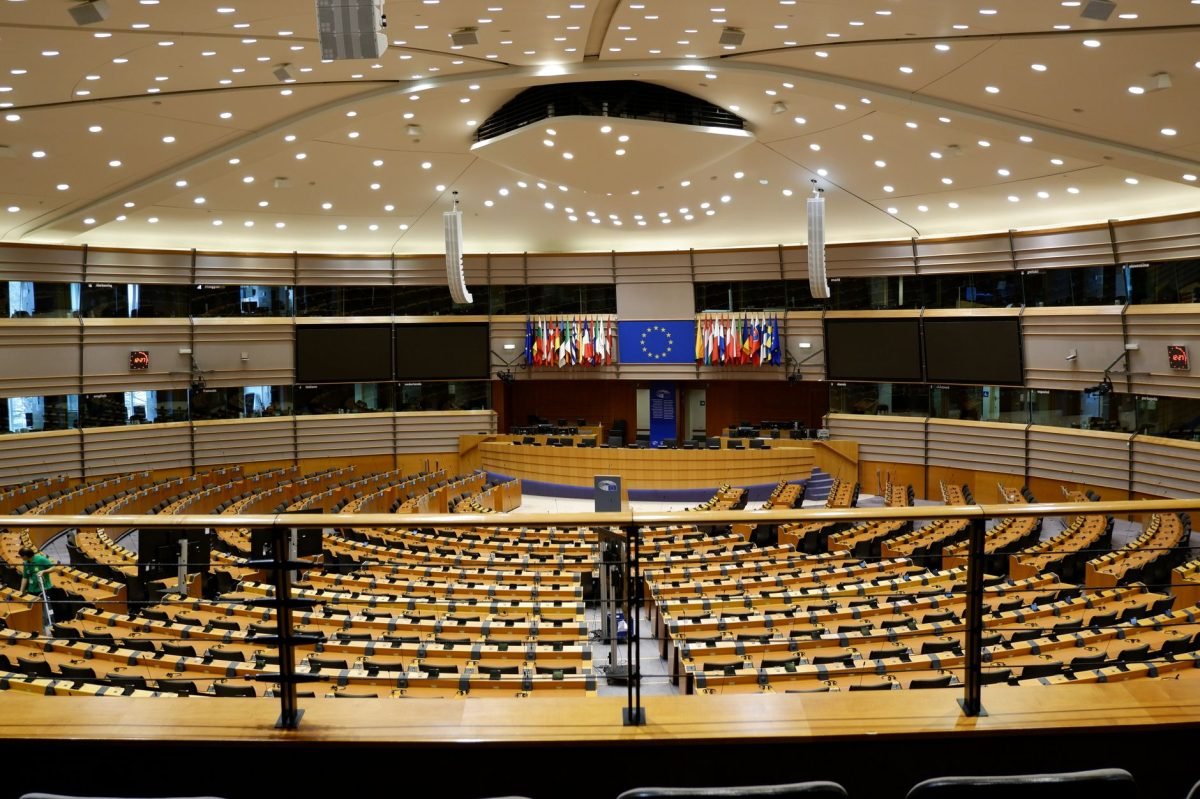
On March 15, 2024, a crowd of 1,200 protesters gathered at Parliament Square demanding tuition fee reforms and lower living costs. The demonstration highlighted growing frustration among students and young professionals. Police presence was visible but the event remained orderly. The scene underscored the public’s demand for change without escalating violence.
What Happened on March 15 in Parliament Square
The protest began at 9:30 a.m. in front of the Houses of Parliament, with 1,200 protesters holding banners that read "Education for All" and "Stop the Rent Hike." London Metropolitan Police deployed 30 officers and two ambulances to monitor the crowd. According to a BBC News report, the police noted no arrests or significant altercations. A University of London spokesperson confirmed that no university buildings were entered, and the crowd dispersed peacefully by 2 p.m. A notable detail was a young woman carrying a sign that read "Tuition Fees Are Unfair," which was photographed by local journalists and shared widely on social media. The event was captured by the police’s own CCTV, which will be reviewed to assess crowd dynamics.
Source: London Metropolitan Police Press Release, BBC News, 15 March 2024.
Why the Police Response Matters
The calm police response indicates that current security measures can manage large demonstrations without resorting to force. This has broader implications for how the government will handle future protests, especially as student debt continues to rise. In 2023, the UK’s Office for National Statistics recorded a 12% increase in student debt, which fuels public anger. The orderly dispersal also suggests that law‑enforcement agencies are prioritizing de‑escalation tactics over confrontation. For ordinary citizens, this means that civic engagement can remain effective while maintaining public safety. The incident also highlights the need for clearer communication between protest organizers and police to prevent misunderstandings.
Source: Office for National Statistics, 2023; UK Government Statement, 2024.


“"The turnout shows students are ready to push for change," said Andrew Smith, a Lecturer in Liberal Arts at Queen Mary University of London, in a post‑event interview with the university’s student newspaper.”
What We Don’t Know Yet
While the immediate incident was peaceful, several questions remain. Will the government introduce new tuition fee caps or modify the existing cap of £9,250 per year? How will the Ministry of Education respond to calls for increased funding for public universities? There is uncertainty about whether the protest will spark a broader movement across other UK cities. Police resources could be stretched if similar demonstrations recur. Additionally, the long‑term impact on student enrollment rates and private tuition market dynamics remains unclear. These gaps highlight the need for transparent policy discussions and ongoing monitoring of public sentiment.
Source: UK Parliament Committee Report, 2024.
Key Takeaways
- Police handled 1,200 protesters without major incidents.
- Student debt rose 12% in 2023, fueling protest motives.
- The protest was conducted peacefully with no arrests.
- Government may announce tuition reforms in the coming weeks.
- Monitoring police reports will reveal tactical changes.
What to Watch in the Next 72 Hours
Key developments to monitor include the Department for Education’s press briefing scheduled for 18 March, where policy proposals may be unveiled. University leaders, especially from Queen Mary, are expected to release joint statements addressing the protestors’ demands. The police will issue a detailed incident report by 20 March, which will reveal any tactical adjustments. Social media activity will likely spike, providing real‑time insight into public reaction. Finally, local councillors in Westminster may announce a town‑hall meeting to discuss cost‑of‑living measures. Watching these events will clarify whether the protest has catalyzed substantive policy shifts.
Source: Department for Education Calendar, 2024; Queen Mary University Press Release, 2024.
In 2019, the UK saw a 12% increase in student debt, according to the Office for National Statistics.
The March 15 protest demonstrated that large‑scale demonstrations can be conducted peacefully when police adopt a calm, non‑confrontational stance. This sets a precedent for future civic actions in London and beyond. As policymakers respond, the balance between maintaining public order and addressing legitimate grievances will remain a delicate task. The public’s willingness to organize and speak out will continue to shape the trajectory of education and cost‑of‑living debates in the UK.