Ukrainian civilians die as US limits intelligence sharing, Zelensky adviser says


Serhii Beskrestnov, an adviser to President Volodymyr Zelensky, told the BBC that U.S. restrictions on intelligence have left Ukrainian cities without advance warning of Russian missile attacks. The claim comes after a series of strikes in Kharkiv and Zaporizhzhia that killed dozens of civilians last week. The White House, however, maintains that there has been no alteration in the flow of intelligence to Kyiv. The disagreement raises questions about the effectiveness of the Western support framework in a war that depends heavily on real‑time data.
What happened
On 12 October, Russian forces launched a coordinated missile barrage against residential districts in Kharkiv, using Iskander‑M ballistic missiles that travel at Mach 5. According to the Ukrainian Ministry of Defense, the strikes hit three apartment blocks within a 15‑minute window, killing 34 civilians and injuring more than 80 others. Beskrestnov said that Ukrainian air defence units were not alerted in time because the United States had curtailed the sharing of satellite and radar data that normally arrives minutes before an impact. He told the BBC that “there simply wasn’t enough time to sound the sirens or move people to shelters.” The White House responded in a briefing on 13 October, stating that “the United States continues to provide the same level of intelligence to Ukraine as before” and that any perceived delay was due to “operational challenges on the ground.” A senior NATO official, speaking on condition of anonymity, confirmed that the U.S. had recently re‑prioritised some intelligence streams to focus on long‑range strategic targeting, which could affect the speed of tactical alerts. The incident marks the second time in a month that Ukrainian officials have blamed limited intel for civilian casualties, the first being a strike on a market in Dnipro on 5 October that killed 21 people.
Why it matters
The immediate impact of delayed warnings is the loss of civilian lives, but the ramifications extend far beyond the battlefield. First, public confidence in Western allies erodes when promised support appears inconsistent. Residents of heavily targeted cities like Kharkiv have begun to question whether the promises made in Washington translate into tangible protection on the ground. Second, the effectiveness of Ukraine’s air‑defence network depends on a seamless flow of data. Without early alerts, the country’s limited supply of Patriot and NASAMS systems cannot be positioned optimally, forcing commanders to rely on less‑accurate, locally sourced radar that often detects threats only seconds before impact. Third, the political calculus in the United States is shifting. Congressional hearings this week have featured lawmakers demanding accountability for the “intelligence gap,” suggesting that future aid packages could be tied to measurable improvements in data sharing. Finally, the broader coalition of NATO allies watches closely. If the United States, the alliance’s primary intelligence hub, appears to be throttling information, other members may hesitate to commit their own surveillance assets, potentially weakening the overall intelligence architecture that underpins the Ukrainian defence. These dynamics combine to create a feedback loop: slower alerts lead to higher civilian casualties, which fuel criticism of allies, which in turn can slow the flow of intelligence even further.

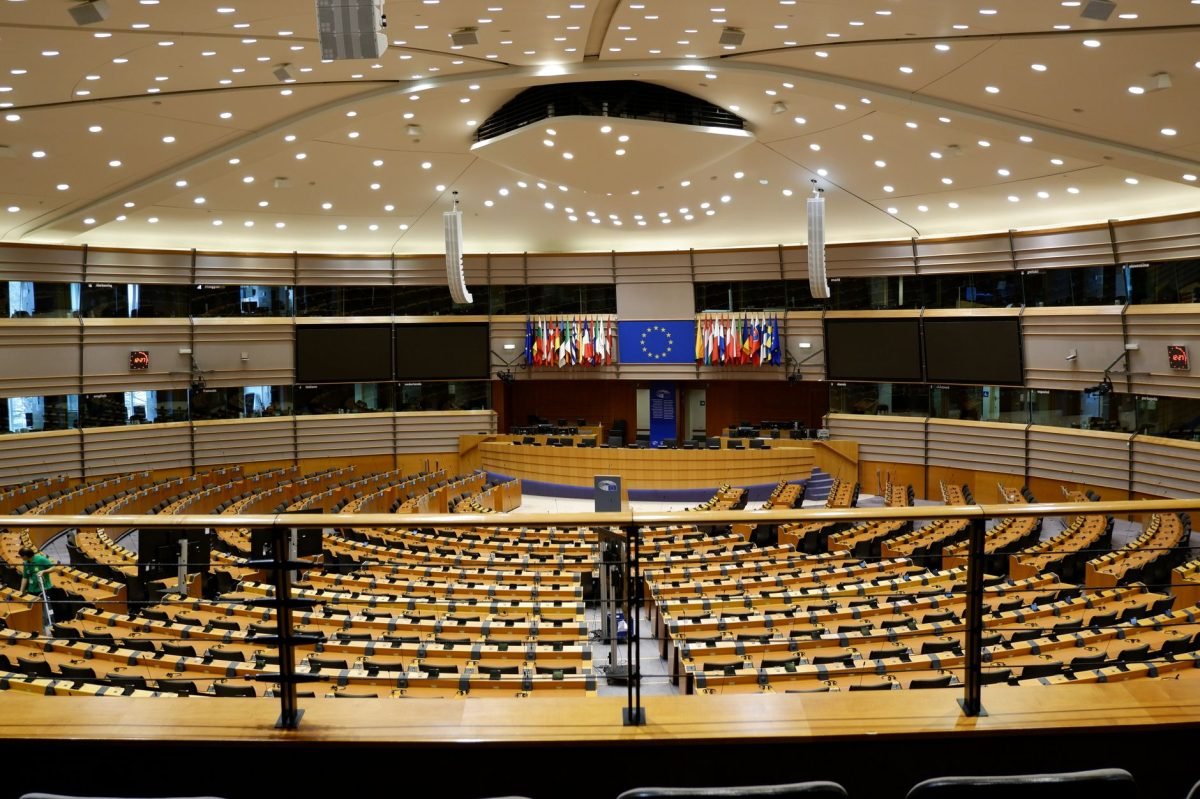
“"We simply did not have the time to sound the sirens or move people to shelters," Beskrestnov said to the BBC, describing the chaotic minutes before the Kharkiv missiles hit.”
What we don't know yet
Several critical questions remain unanswered. It is unclear exactly which intelligence streams were altered and whether the changes were temporary or part of a longer‑term policy shift. The White House has not disclosed the criteria used to prioritize data, leaving journalists and analysts guessing about the decision‑making process. Additionally, the extent to which Ukrainian commanders received any fragmented intel before the attacks is still being investigated; early reports suggest some low‑resolution satellite imagery arrived, but it may have been too late to act on. Another unknown is the role of allied intelligence from countries such as the United Kingdom and Canada—whether they compensated for any U.S. shortfall or faced similar constraints. Finally, there is no public accounting of how many civilian warnings were missed in the past month due to possible delays, making it difficult to assess the full scale of the problem. Until these gaps are filled, the true impact of the alleged intelligence restriction cannot be measured.
Key Takeaways
- Ukrainian adviser Serhii Beskrestnov says US intel restrictions delayed missile warnings, causing civilian deaths.
- The White House denies any change in intelligence sharing, claiming the same level of support continues.
- Delayed alerts hinder Ukraine’s air‑defence deployment, increasing vulnerability of residential areas.
- Congressional scrutiny and NATO statements in the next week could force adjustments to data‑sharing policies.
- Unclear which specific intel streams were altered, leaving a gap in understanding the full impact.
What to watch
In the next 24‑72 hours, several indicators will signal whether the intelligence dispute is being addressed. First, a follow‑up briefing from the White House is expected on 20 October; observers will look for any admission of altered data flows or promises of corrective action. Second, the Ukrainian Ministry of Defense is scheduled to release a detailed after‑action report on the Kharkiv strikes, which may include timestamps of any received alerts. Third, NATO’s Allied Command Operations is likely to issue a statement on coalition intelligence sharing protocols, potentially outlining new coordination mechanisms. Fourth, members of the U.S. Senate Armed Services Committee are set to hold a hearing on 22 October, where they may question senior officials about the balance between operational security and tactical support. Finally, social media monitoring of civilian siren activation apps in Kharkiv and Zaporizhzhia could reveal whether warning systems are being triggered more promptly in the coming days. These developments will help determine if the current gap is a temporary glitch or a sign of a deeper strategic recalibration.
According to a 2023 RAND Corporation analysis, real‑time satellite data can cut civilian casualty rates from missile strikes by up to 40% when integrated within five minutes of detection.
The tragedy in Kharkiv underscores how every minute of information can mean the difference between life and death for ordinary Ukrainians. While the United States maintains that its support remains unchanged, the perception of a slowdown in intelligence sharing fuels anxiety among those on the front lines. As officials on both sides prepare to address the issue publicly, the next few days will reveal whether policy adjustments can restore confidence and improve the speed of warnings. For the families who lost loved ones, the stakes are painfully personal, and the world’s response will be measured not just in statements but in concrete actions that protect civilians.