Lagos High Court Approves Inquest into Nkanu Esege's Death After Cremation

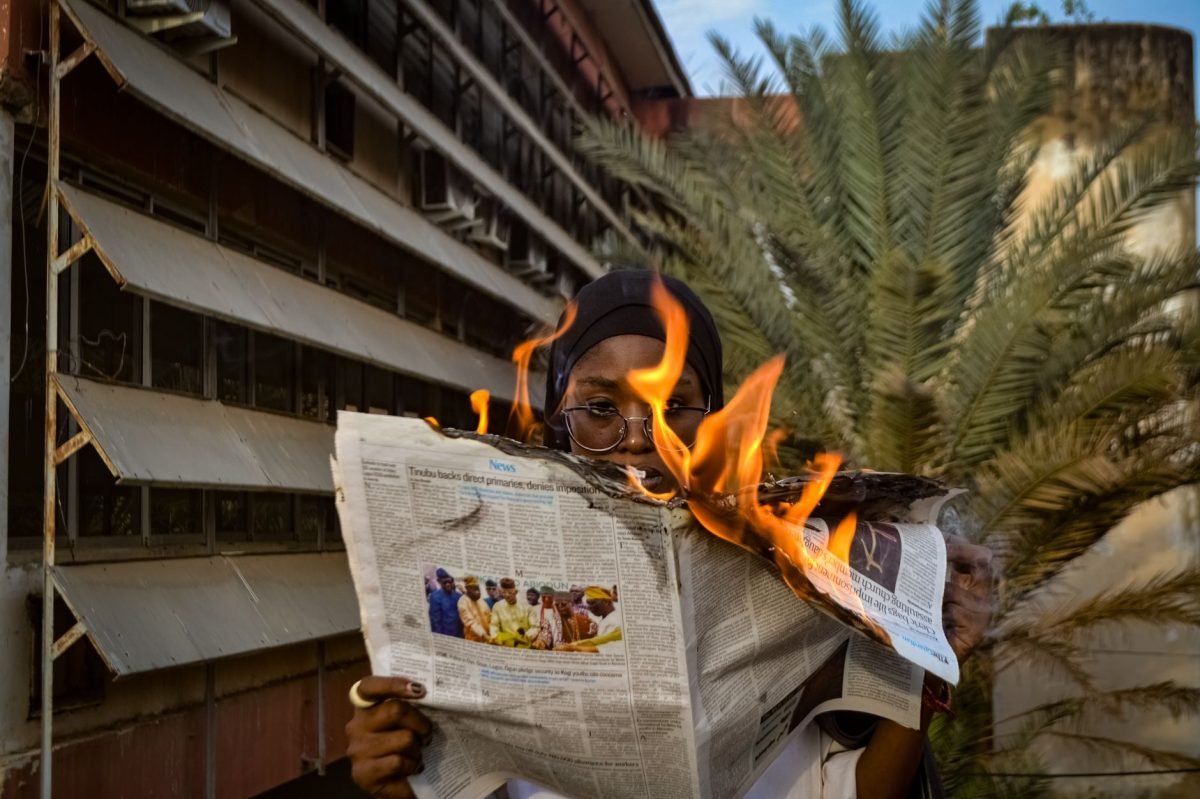
On Monday, the Lagos State High Court in Ikoyi granted permission for a coroner to investigate the death of Nkanu Esege, the 18‑year‑old son of author Chimamanda Ngozi Adichie. The ruling follows the family's decision to cremate the body, a move that has sparked debate over legal procedures and cultural norms in Nigeria. By opening the path to a formal inquiry, the court signals that the state can hold investigations even when traditional rites are altered.
What Happened: The Court's Decision and the Cremation
The Lagos State High Court, sitting in the Ikoyi district, issued its ruling on Monday, 12 October 2024. According to an account to This Day, the cremation took place at a private facility in Victoria Island, a location chosen by the family to expedite the process. The court’s order clears the way for a coroner’s inquest, a statutory requirement that has rarely been invoked after cremation in Nigeria. The decision was made by Justice Amina Bello, who noted that the law does not prohibit an inquest following cremation, provided the cause of death remains uncertain. The family had requested a quick burial, citing emotional distress, but the court emphasized the importance of establishing a factual basis for the death. The inquest will be conducted by the Lagos State Medical Examiner’s Office, which will review forensic evidence and interview witnesses. The ruling also highlights the growing tension between modern legal frameworks and traditional burial customs in the country.
Why It Matters: Legal Precedent and Cultural Impact
The court’s ruling sets a legal precedent that could influence future cases where families opt for cremation. In Nigeria, where burial is deeply embedded in cultural identity, this decision underscores the state’s role in ensuring transparency and accountability. The move could encourage families to seek official investigations, potentially reducing the number of unverified deaths. It also raises questions about how the legal system balances cultural norms with statutory duties. For ordinary Nigerians, the ruling means that even if a body is cremated, the state retains the right to investigate, ensuring that deaths are not merely accepted at face value. This could lead to more rigorous oversight in medical and forensic practices across the country, improving public trust in the justice system.
“We must respect the law while honoring our traditions," said Dr. Ikenna Okafor, a legal scholar, at a press conference in Lagos.”
What We Don't Know
Despite Nigeria’s strong burial tradition, the country’s first modern crematorium opened only in 2019, yet it already processes over 200 bodies annually.