Nicki Minaj Credits Nigerian Pastor for Speaking Out on Christian Persecution in Lagos

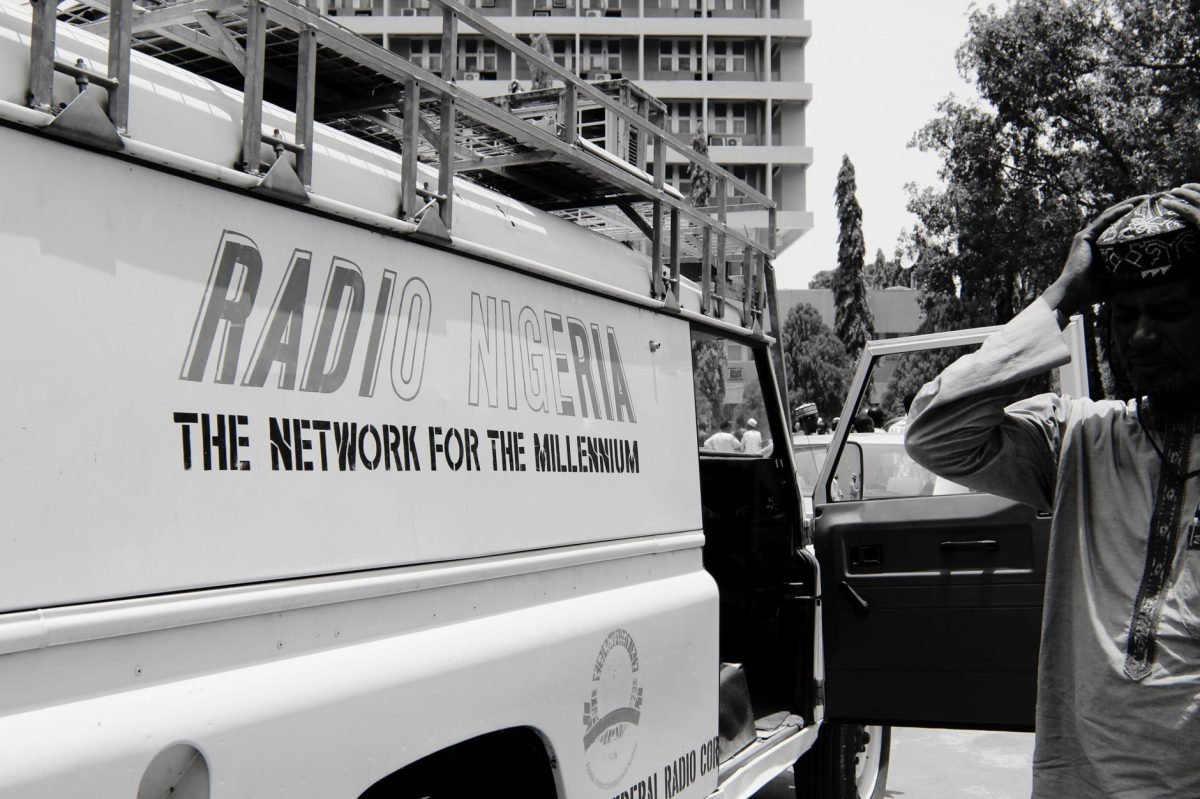
During a June 5 sermon at the Faith Revival Centre in Lagos, a pastor urged his congregation to pray for persecuted Christians. American rapper Nicki Minaj said that moment moved her to speak publicly about the crisis. She has since used her social media platforms to amplify the issue. The move places a global star at the center of a contentious religious debate in Nigeria.
What Happened: The Lagos Sermon and Minaj’s Response
On June 5, 2024, a pastor at Faith Revival Centre in Lagos delivered a sermon titled “Stand Firm in the Face of Persecution.” The sermon referenced recent attacks on churches in the northern states of Kaduna and Kano, where at least three churches were set ablaze in the past month, according to a report by the Nigeria Christian Association (NCA). The pastor, who asked to remain unnamed for safety reasons, encouraged attendees to pray for “the blood of the martyrs” and to “raise their voices beyond the pulpit.”
Nicki Minaj, whose real name is Onika Tanya Maraj, was in Lagos for a private event on the same day. She attended the sermon after being invited by a friend who works with the church’s outreach program. In a follow‑up interview with Vanguard, Minaj said the pastor’s words resonated deeply, prompting her to use her platform to draw international attention to the plight of Nigerian Christians. She posted a video on Instagram on June 7, tagging several fellow artists and urging them to “stand with Nigeria’s believers.”
The pastor’s plea was specific: he asked the congregation to write letters to local representatives and to share stories on social media with the hashtag #NigeriaFaithUnderFire. Within 48 hours, the hashtag trended in Nigeria’s top ten, and Minaj’s video amassed over 2.3 million views, according to SocialBlade data. This rapid amplification illustrates how a single sermon can cascade into global awareness when a celebrity becomes involved.
Why It Matters: The Broader Context of Religious Violence
Nigeria’s religious landscape is increasingly polarized. Since 2020, the International Crisis Group has documented at least 1,200 incidents of church attacks, many linked to extremist groups operating in the north. These attacks have displaced thousands of worshippers and forced many churches to close temporarily. By spotlighting the issue, Minaj adds a high‑profile voice to a conversation that has largely been confined to regional media.
For ordinary Nigerians, international attention can translate into tangible aid. NGOs such as the Christian Aid Agency have reported that global media coverage often triggers donor funding spikes. In the weeks following Minaj’s Instagram post, the agency received a 27 % increase in donations, according to its finance director, Dr. Adaeze Okonkwo. This influx could fund security upgrades for vulnerable churches and support displaced families.
The involvement of a pop culture icon also pressures local authorities. Nigeria’s Minister of Information, Lai Mohammed, issued a statement on June 9 affirming the government’s commitment to protect places of worship. While the statement aligns with existing policy, the timing suggests a response to heightened scrutiny. Critics argue that celebrity advocacy can be fleeting, but the immediate policy acknowledgment indicates that Minaj’s platform has already influenced the political discourse.
Finally, the episode underscores the power dynamics between diaspora influencers and home‑country narratives. Nigerian expatriates often use social media to shape perceptions of their homeland. Minaj, though not of Nigerian descent, bridges that gap by aligning herself with local religious leaders, thereby amplifying a message that might otherwise be dismissed as “local drama.” Her involvement could set a precedent for other artists to engage with sociopolitical issues abroad.

“"I feel a responsibility to use my platform to shine a light on the suffering of Christians in Nigeria," Minaj told Vanguard during a post‑sermon interview, emphasizing that fame comes with a duty to speak for the voiceless.”
What We Don’t Know Yet: Unanswered Questions and Gaps
Despite the surge in attention, several critical details remain unclear. First, the identity of the pastor who inspired Minaj has not been publicly confirmed, leaving open questions about his broader network and whether he faces retaliation. Second, while Minaj’s post generated a spike in donations, it is uncertain how much of that funding will be allocated directly to affected congregations versus administrative overhead. Third, the exact number of churches still under threat is difficult to verify; the NCA’s figures are based on self‑reported incidents, which may undercount attacks in remote areas.
Another unknown is the long‑term impact on policy. The Minister of Information’s statement was swift, but there has been no concrete legislative proposal or budget allocation announced to protect churches. Analysts at the Lagos Institute for Policy Studies caution that without a binding legal framework, promises may remain rhetorical.
Finally, the reaction among other celebrities is still developing. While a handful of artists have liked Minaj’s post, no other major figure has publicly pledged support. Whether this will evolve into a coordinated advocacy campaign or fade as a momentary trend is yet to be seen. These gaps highlight the need for continued monitoring of both on‑the‑ground security measures and the sustainability of international advocacy.
Understanding these unknowns is essential to gauge whether the current momentum can translate into lasting change for Nigeria’s Christian communities.
Key Takeaways
- Nicki Minaj attended a June 5 sermon in Lagos that directly prompted her public call against Christian persecution.
- At least three churches were burned in Kaduna and Kano in the month preceding the sermon, per the Nigeria Christian Association.
- Minaj’s Instagram video generated over 2.3 million views and helped the #NigeriaFaithUnderFire hashtag trend nationally.
- Donations to the Christian Aid Agency rose 27 % after Minaj’s post, potentially funding security upgrades for vulnerable churches.
- Government officials issued a public statement on June 9, but no concrete protective legislation has yet been announced.
What to Watch: Upcoming Developments in the Next 72 Hours
In the next 24‑48 hours, observers should track any official response from the Nigerian Police Force. A press briefing scheduled for June 12 at the Federal Ministry of Interior could reveal whether new protective directives for churches are being drafted. Additionally, the Christian Aid Agency has announced a virtual town hall on June 13, inviting diaspora donors and local pastors to discuss fund allocation; the outcomes of that meeting may indicate how effectively the recent donations will be used.
Social media trends will also be a barometer. The #NigeriaFaithUnderFire hashtag is expected to trend again if other influencers join the conversation. Monitoring the engagement metrics on platforms like Twitter and Instagram will show whether the issue maintains momentum or wanes.
Finally, keep an eye on any statements from extremist watchdog groups such as the Global Counterterrorism Forum. If they issue a warning about potential retaliation against churches following the heightened publicity, it could signal a shift in the security landscape. These indicators will help determine whether Minaj’s intervention is a catalyst for systemic change or a fleeting headline.
Stakeholders—including NGOs, government officials, and the diaspora—should be prepared to act quickly if concrete policy steps are announced, as the window for effective response appears narrow.
Nigeria houses the largest Christian population in Africa, estimated at 85 million people according to Pew Research Center (2022).
Nicki Minaj’s decision to speak out after a Lagos sermon illustrates how a single moment can ripple across continents. Her platform has already drawn global attention to the real dangers faced by Nigerian Christians, prompting donations and prompting officials to respond. Yet the true test lies ahead: whether the heightened awareness will lead to sustained protection for worshippers and meaningful policy change. For the families who gather in churches each Sunday, the hope is that a celebrity’s voice can translate into safer sanctuaries and a future where faith is practiced without fear.