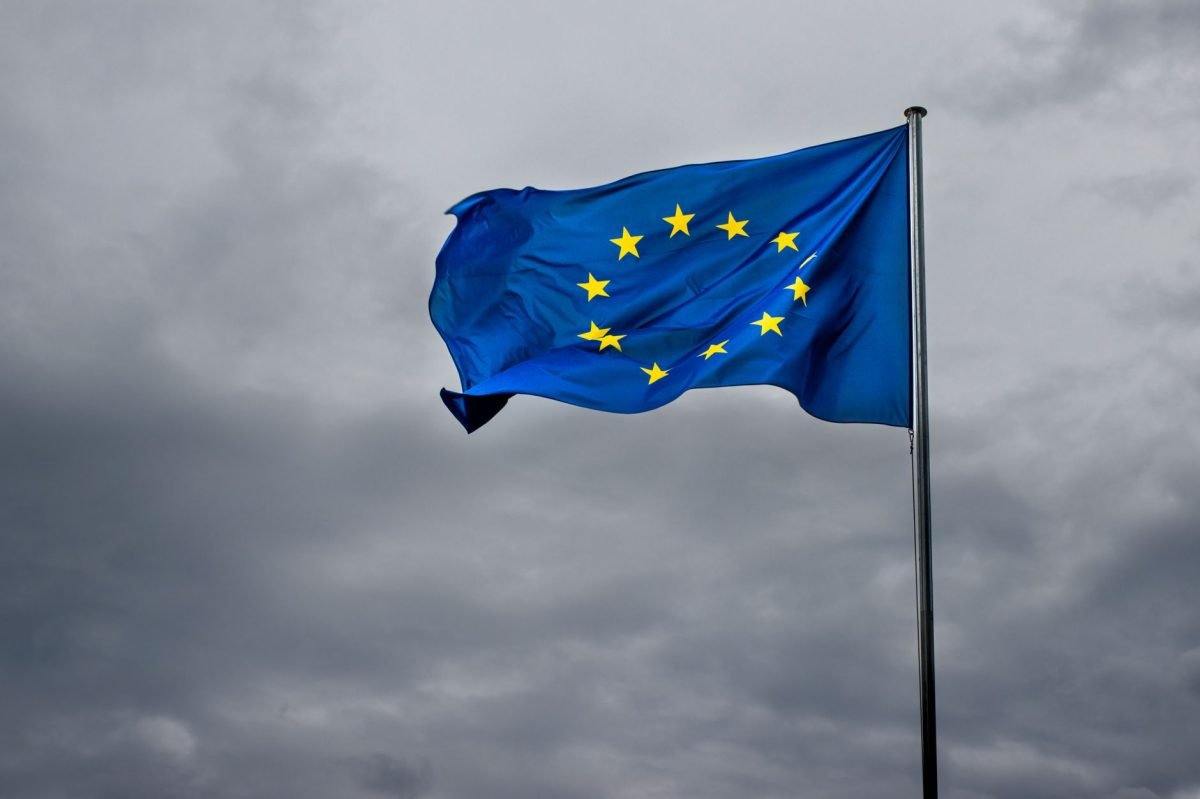
Pope Leo XIV Concludes France Visit in Metz, Calls on Europe to Embrace Christian Heritage and Dialogue


Pope Leo XIV finished his four‑day pilgrimage to France on Monday in the historic city of Metz, delivering a speech that highlighted the continent’s Christian roots and the need for dialogue. The address came after stops in Lyon and Strasbourg, where the Pope met political and religious leaders. By invoking the legacy of Robert Schuman, the architect of European integration, Leo framed cultural heritage as a stabilising force amid rising geopolitical tension. The message is aimed at policymakers and ordinary citizens alike, suggesting that faith‑based values can temper nationalist impulses.
What Happened: Pope Leo XIV’s Final Day in Metz
On Monday, September 23, Pope Leo XIV arrived in Metz by car, escorted by a motorcade that included French police, local clergy, and representatives of the European Parliament. The Pope’s itinerary was announced in a press release from the Vatican’s Press Office on September 20. He began the day with a private audience with French President Emmanuel Macron at the Hôtel de Ville, where they discussed the role of religion in public life and the importance of European solidarity. After the meeting, Leo entered the Saint‑Étienne Cathedral for a Mass attended by roughly 1,200 worshippers, including bishops from the French Conference of Bishops and a delegation from the European Commission. During his homily, the Pope referenced the Schuman Declaration of 1950, noting that “the spirit of reconciliation that birthed the EU still lives in our churches, our schools, and our homes.” The ceremony concluded with a procession through the Place de la République, where the Pope addressed a crowd of about 5,000 people, urging Europe to “build on its Christian heritage and a culture of dialogue rather than succumb to the desire for domination.” The event was covered live by AFP and Reuters, which both noted the Pope’s call for a “shared moral compass” in the EU’s future policy decisions.
Why It Matters: The Intersection of Faith, Politics, and European Unity
The Pope’s remarks arrive at a moment when the European Union is grappling with divergent visions of its identity. On one side, member states such as Hungary and Poland are championing a more sovereign, culturally homogenous model, while on the other, countries like Germany and the Netherlands push for deeper integration and a stronger social safety net. By invoking Christian heritage, Pope Leo XIV is positioning the Church as a potential mediator between these competing narratives. The reference to Robert Schuman is significant because Schuman’s 1950 proposal laid the groundwork for the European Coal and Steel Community, the precursor to today’s EU. By reminding Europeans of this legacy, the Pope is subtly encouraging a return to the original spirit of cooperation that transcended national borders.
For ordinary citizens, the Pope’s call could translate into policy shifts that protect religious freedom, support inter‑faith dialogue programs, and encourage educational curricula that include Europe’s Christian past alongside its secular achievements. In practice, this might mean increased funding for community centres that host both church‑led and secular cultural events, or new EU guidelines that promote religious symbols in public spaces while respecting minority rights. Moreover, the Pope’s emphasis on “dialogue rather than domination” resonates with ongoing debates about the EU’s response to authoritarian influences from neighboring powers, suggesting a moral framework that could shape future foreign‑policy decisions.
Economically, a Europe that leans on shared cultural values could see a boost in tourism and heritage preservation projects. Regions like Metz, which boast medieval cathedrals and World‑War‑II history, may attract more visitors if the EU promotes a narrative of unity rooted in common history. This would benefit local businesses, from hotels to artisanal producers, and could help offset the economic slowdown still felt in parts of the continent after the pandemic.
Finally, the Pope’s speech may influence the internal dynamics of the Catholic Church in Europe. By publicly aligning the Church with a pro‑EU stance, Leo XIV could embolden bishops who favour a more engaged role in public policy, while potentially alienating more conservative clergy who view secular governance with suspicion. This tension could shape the Church’s future political advocacy, especially on issues like migration, climate policy, and social welfare.

“In his closing remarks, Pope Leo XIV told the assembled crowd, “Our shared Christian heritage is not a relic of the past; it is a living source of dialogue that can guide Europe through the challenges of division and domination,” a statement reported by Reuters on Monday.”
What We Don’t Know Yet
While the Pope’s speech was widely covered, several key details remain unclear. First, it is not known how the European Commission will formally respond to the Pope’s appeal for a “shared moral compass.” No official statement has been released, and it is uncertain whether any concrete policy proposals will emerge in the coming weeks. Second, the Vatican has not disclosed whether the visit included private discussions with EU officials about specific legislation, such as the proposed European Charter of Fundamental Rights that would explicitly reference religious heritage. Third, the reaction of France’s secularist groups, such as Laïcité Association, has been muted; their forthcoming commentary could reveal resistance to the Pope’s framing of Christianity as a unifying force. Additionally, the long‑term impact on intra‑Church politics is speculative. Some analysts suggest that the Pope’s stance could shift the balance of power toward bishops who favour a more activist role, but no poll of French clergy has been published. Finally, the exact number of people who attended the Mass and the subsequent procession is based on estimates from local police; precise figures have not been confirmed, leaving room for debate about the scale of public engagement.
Key Takeaways
- Pope Leo XIV ended his France tour in Metz, urging Europe to draw on Christian heritage for dialogue.
- The Pope referenced Robert Schuman, linking the EU’s founding spirit to shared religious values.
- His speech could influence EU policy on religious freedom, cultural funding, and foreign‑policy ethics.
- Responses from the French government, European Commission, and Catholic media will shape the next steps.
What to Watch in the Next 24‑72 Hours
Observers should monitor three immediate developments. First, the French government is expected to issue a formal press release within the next 48 hours, outlining President Macron’s response to the Pope’s call for a Christian‑based dialogue framework. This statement will likely be delivered by the Ministry of Europe and Foreign Affairs and could set the tone for any policy proposals. Second, the European Commission’s spokesperson is scheduled to hold a briefing on Thursday, where commissioners Ursula von der Leyen and Margrethe Vestager may address the Pope’s remarks and indicate whether a working group on “cultural heritage and EU values” will be convened. Third, Catholic media outlets such as La Croix and the Catholic News Agency are poised to publish editorials that either endorse or critique the Pope’s position, providing insight into the Church’s internal debate. In addition, social‑media trends on platforms like Twitter and TikTok will reveal public sentiment, especially among younger Europeans who may view the Pope’s appeal as either a nostalgic call or an outdated influence. Tracking these signals will help gauge whether the Pope’s speech will translate into legislative action or remain a symbolic gesture.
The Saint‑Étienne Cathedral in Metz, where the Pope celebrated Mass, houses a 14th‑century organ that survived both World Wars, according to the French Ministry of Culture.
Pope Leo XIV’s final remarks in Metz offered a reminder that Europe’s history is woven from both secular and religious threads. By calling for dialogue rooted in a common Christian past, the pontiff hopes to temper the rise of nationalist rhetoric and inspire a renewed sense of unity. Whether policymakers will translate that moral appeal into concrete action remains to be seen, but the conversation has already begun across capitals, churches, and living rooms throughout the continent.