Turning Point: Is the Final U.S. Troop Withdrawal from Iraq a Major Shift?

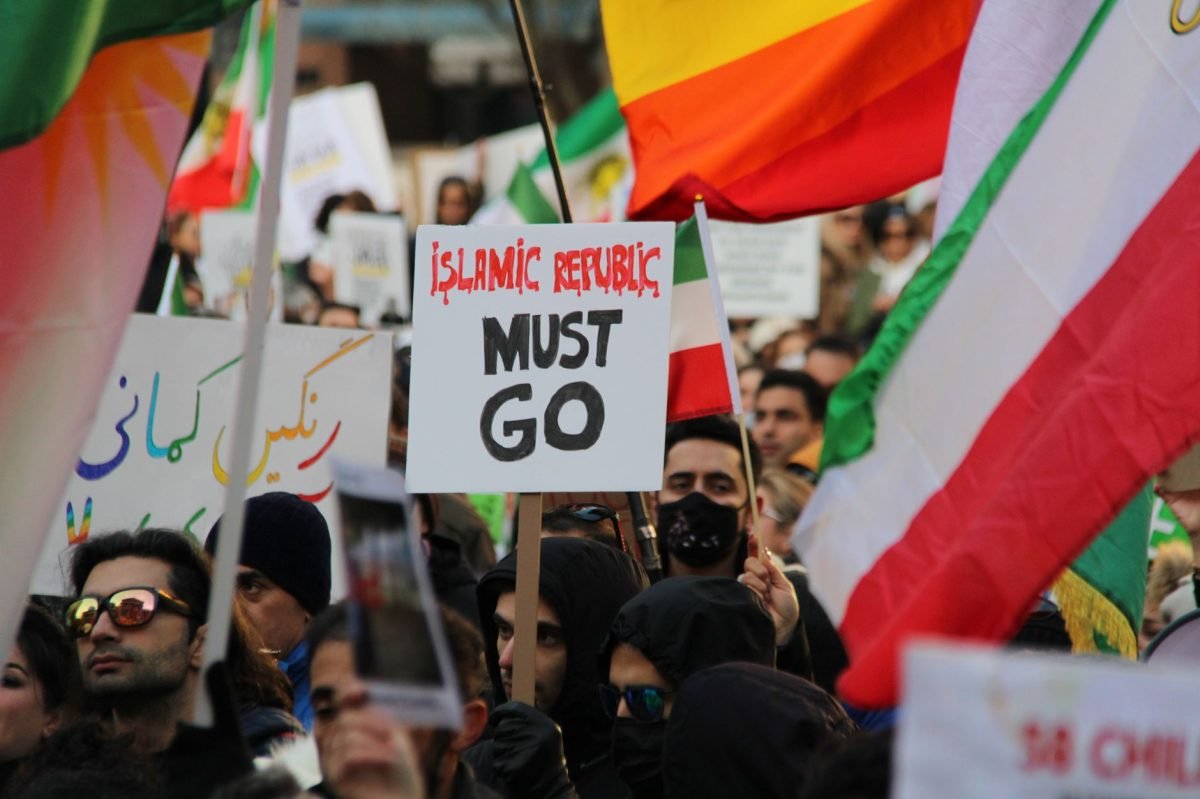
On Wednesday, a convoy of 31 vehicles rolled out of Al‑Asad Airbase, marking the departure of the final U.S. service members stationed in Iraq. The pullout concludes a deployment that started with the 2003 invasion and evolved through the rise and fall of ISIS. Baghdad’s streets filled with celebratory chants as the last troops crossed the border. This moment reshapes Iraq’s security calculations and U.S. strategy in the Middle East.
What Happened: The Final Pullout
According to a statement from the U.S. Department of Defense, the last contingent of approximately 2,500 American personnel left Iraq at 0600 GMT on 23 September 2026. The convoy departed from Al‑Asad Airbase in Anbar province, the same installation that once hosted more than 5,000 troops during the height of the anti‑ISIS campaign. The withdrawal was overseen by U.S. Central Command commander General Michael Kurilla, who confirmed that all equipment, including armored vehicles and communication gear, was either shipped back to the United States or transferred to Iraqi forces. Iraqi Prime Minister Mohammed Shia' Al Sudani welcomed the move in a televised address, declaring it “the fulfillment of a promise to the Iraqi people.” The United Nations Assistance Mission in Iraq (UNAMI) also issued a brief note, noting that the pullout was conducted in accordance with the 2021 bilateral security agreement signed in Baghdad. The final exit marks the end of a 23‑year chapter that began with the toppling of Saddam Hussein’s regime.
Why It Matters: Regional and Domestic Implications
The departure of U.S. forces carries weight far beyond the ceremonial farewell. First, it shifts the security burden squarely onto Iraq’s own armed forces, which have been expanding their counter‑terrorism capabilities since 2017. For ordinary Iraqis, this could mean a greater reliance on local police and the Iraqi army to protect neighborhoods, especially in volatile provinces like Nineveh and Diyala. Second, the move signals a recalibration of U.S. strategy in the Middle East. Washington has been redirecting resources toward the Indo‑Pacific, and the Iraqi exit frees up logistical assets for potential redeployment to Taiwan or the South China Sea. Third, regional rivals such as Iran view the withdrawal as an opportunity to deepen influence in Baghdad. Tehran’s Revolutionary Guard has already hinted at expanding advisory roles, a development that could alter power balances in the Persian Gulf. Finally, the exit may affect global oil markets; Iraq is the world’s fifth‑largest oil exporter, and any perceived instability could prompt price volatility, directly impacting consumers worldwide.

“Prime Minister Mohammed Shia' Al Sudani told the nation that the withdrawal ‘marks a new chapter of Iraqi sovereignty, where we take full responsibility for our own security and destiny,’ speaking from the Green Zone in Baghdad after the convoy left Al‑Asad.”
What We Don’t Know Yet
Despite the clear timeline, several uncertainties remain. Analysts are still assessing how quickly Iraqi security forces can fill the operational gaps left by U.S. advisors, especially in intelligence sharing and air‑support coordination. There is also limited information on the fate of the roughly 1,200 pieces of U.S. military equipment that were slated for transfer to Iraqi control; some sources suggest delays due to bureaucratic hurdles. Additionally, the impact on local militias that have historically operated with U.S. backing, such as the Iraqi Counter‑Terrorism Service (ICTS), is unclear. Will they receive sufficient training to maintain the standards set during the joint operations against ISIS? Finally, the reaction of neighboring countries, particularly Iran and Saudi Arabia, could reshape diplomatic dynamics, but concrete statements from their foreign ministries are still pending. These unanswered questions make the post‑withdrawal period a fluid and potentially volatile phase for Iraq and its allies.
Key Takeaways
- The last U.S. convoy left Al‑Asad on 23 Sept 2026, ending a 23‑year military presence that began in 2003.
- Iraqi forces must now assume full security responsibilities, affecting daily safety for citizens across the country.
- Regional powers, especially Iran, may seek to expand influence in Baghdad now that U.S. troops are gone.
- The withdrawal could shift U.S. strategic focus toward the Indo‑Pacific, impacting future Middle‑East engagements.
What to Watch in the Next Days
In the coming 24‑72 hours, several indicators will reveal how the withdrawal reshapes the security landscape. First, monitor statements from the Iraqi Ministry of Defense regarding the formal handover of Al‑Asad’s facilities and the integration schedule for transferred equipment. Second, watch for any joint patrols announced by the Iraqi army and the Kurdish Peshmerga, which could signal a coordinated effort to deter insurgent resurgence. Third, keep an eye on Iranian diplomatic channels; any increase in advisory missions or publicized visits to Baghdad would suggest Tehran’s intent to fill the vacuum. Fourth, the U.S. Embassy in Baghdad is expected to release a detailed after‑action report, which may include plans for future military sales or training programs. Finally, market analysts will be tracking oil price movements, as any perception of instability in Iraq often triggers short‑term spikes. These developments will help gauge whether the withdrawal translates into genuine stability or opens new challenges.
At its peak in 2011, the United States had about 5,000 troops stationed in Iraq, more than the total number of foreign soldiers currently present in the country, according to the U.S. Department of Defense.
The final pullout of U.S. forces from Iraq closes a contentious chapter that began with a war and evolved through a fight against ISIS. For Iraqis, the celebration on the streets reflects hope for greater autonomy, yet the road ahead is fraught with challenges, from rebuilding security capacities to navigating regional rivalries. As Baghdad assumes full control, the world will watch closely to see whether the promise of sovereignty translates into lasting stability for the nation and its neighbors.


