Turning Point: Is the Gaza City Building Collapse the Beginning of a Major Shift?

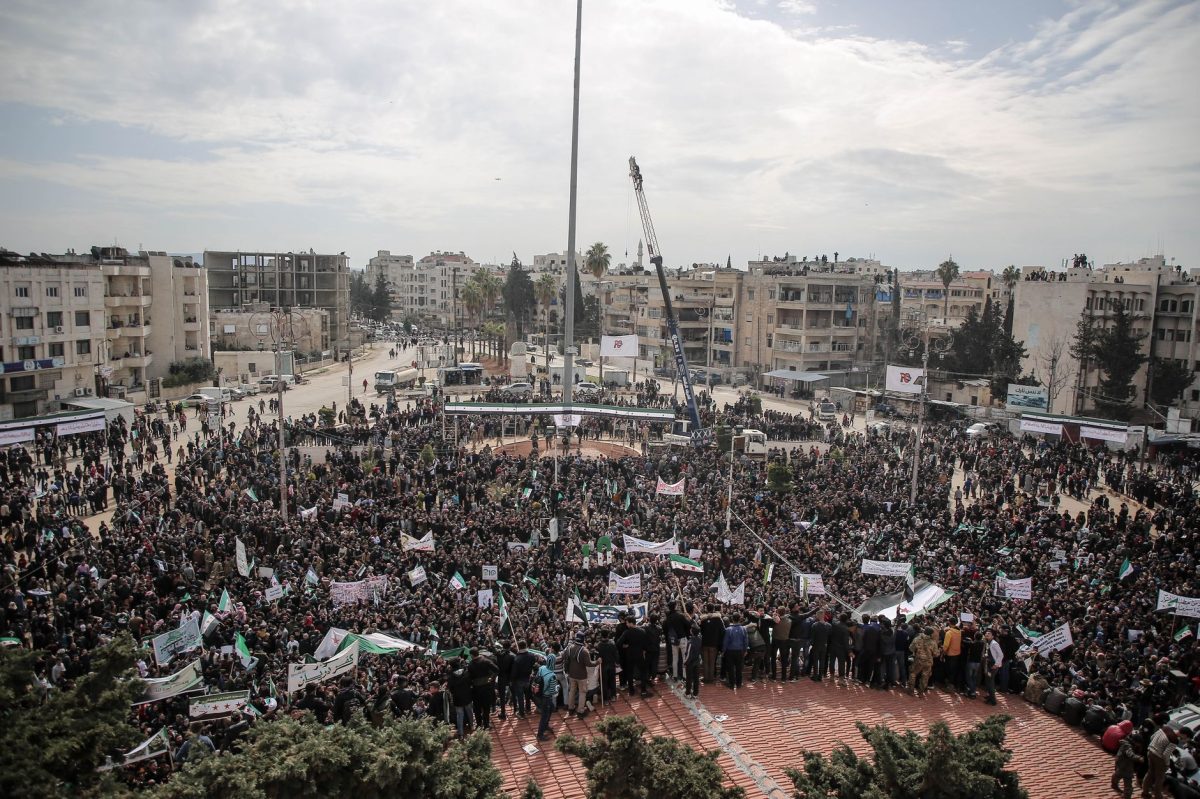
On Tuesday, a three‑storey residential building in Gaza’s Shuja’iyya district gave way, killing at least 11 people and leaving dozens unaccounted for. The collapse adds a new humanitarian flashpoint in a city already battered by weeks of air strikes, raising urgent questions about building safety and the impact of the ongoing war on civilian infrastructure. Rescue crews worked through the night, using a mobile crane to lift concrete slabs while families gathered nearby, hoping for any sign of their loved ones. The tragedy underscores how secondary disasters can erupt even as the primary conflict rages on.
What Happened on Tuesday
According to the Gaza Health Ministry, the building that collapsed was located on Al‑Hajri Street in the Shuja’iyya district, a densely populated neighbourhood that has seen some of the fiercest fighting since the latest escalation. The structure, built in the early 2000s, housed about 30 families. At approximately 14:30 local time, the roof gave way, sending the upper floors crashing onto the ground floor. Emergency services arrived within minutes, but the sheer weight of the debris hampered their efforts. Rescue workers reported finding a child’s toy car wedged between broken beams, a stark reminder of the civilian lives entangled in the rubble. By the following morning, officials confirmed the recovery of 11 bodies, while dozens more remained missing, prompting a wider search operation that involved the Palestinian Red Crescent, local volunteers, and United Nations Relief and Works Agency (UNRWA) staff. The Ministry’s spokesperson, Dr. Mahmoud Al‑Sabbagh, said the collapse “is a tragic reminder of the vulnerability of civilian housing in an active war zone.”
Why the Collapse Matters
The Shuja’iyya collapse is not an isolated incident; it fits a growing pattern of secondary infrastructure failures that accompany sustained bombardment. First, the incident highlights how war‑induced vibrations and repeated shelling can weaken structures that were never designed to endure such stress. Engineers with the Palestinian Authority have warned for months that many residential blocks, especially those built with low‑quality concrete, are at risk of failure. Second, the loss of life and the surge of missing persons amplify the humanitarian crisis. Families already coping with displacement now face the trauma of searching for loved ones amid chaotic rescue efforts. The psychological toll is profound, as survivors describe sleepless nights and a pervasive sense of insecurity. Third, the event may shift international attention toward civilian protection standards. Human rights groups, citing the collapse, are calling for independent investigations into whether the building was deliberately targeted or inadvertently damaged during nearby strikes. If proven, such findings could pressure parties to the conflict to reassess targeting protocols and to prioritize the reinforcement of civilian shelters. Finally, the collapse could affect aid distribution. Humanitarian agencies often allocate resources based on damage assessments; a high‑profile building failure may redirect emergency supplies, medical teams, and reconstruction funds toward Shuja’iyya, potentially leaving other neighborhoods underserved.
“Miriam Al‑Hajri, a doctor with the Red Crescent who was on site during the rescue, said the collapse underscores the growing risk of secondary disasters as the war drags on, and urged the international community to fund rapid structural assessments in densely populated districts.”
What We Don’t Know Yet
Several critical questions remain unanswered. First, the exact cause of the collapse is still under investigation. While the Gaza Health Ministry attributes it to structural weakness, Israeli officials have not confirmed whether any munitions landed near the building. Satellite imagery released by the United Nations Institute for Training and Research shows no visible crater at the site, but analysts caution that smaller, unexploded ordnance could have caused hidden damage. Second, the number of missing persons is fluid; families continue to report relatives who have not been accounted for, and the Red Crescent’s list of missing is expected to grow as search teams expand their reach. Third, the extent of damage to adjacent structures is unclear. Preliminary reports suggest that neighboring houses suffered minor cracks, but a full engineering survey has not yet been conducted. Fourth, the long‑term impact on the neighbourhood’s habitability is unknown. If the area is deemed unsafe, residents may be forced to relocate, adding pressure to already overcrowded shelters. Finally, there is limited information on whether any humanitarian aid was pre‑positioned in the building for distribution, which could affect the supply chain for nearby camps.
What to Watch
In the next 24‑72 hours, several developments will shape the narrative around the Shuja’iyya collapse. International observers, including a fact‑finding mission led by the UN Human Rights Council, are scheduled to visit the site on Friday, and their preliminary statements could influence diplomatic pressure on the parties involved. Israeli military spokespersons are expected to release a statement addressing allegations of shelling near the building; any admission or denial will affect how the incident is framed in global media. Humanitarian agencies, notably UNRWA and the World Food Programme, have announced plans to deploy additional medical teams and temporary shelters to accommodate families displaced by the collapse. Watch for announcements from the Palestinian Ministry of Housing about a rapid structural assessment program, which could signal a shift toward proactive reinforcement of civilian buildings. Finally, social media activity from local residents may provide real‑time updates on missing persons, offering a grassroots counterpoint to official narratives.