Africa’s Childhood Immunisation Coverage Slips; New Five‑Point Plan Aims to Reverse Decline

In 2023, the proportion of African children receiving the full schedule of routine vaccines dropped to 68%, down from 71% the previous year, according to The Conversation Africa. The slide threatens gains made against measles, polio and diphtheria. A five‑point plan unveiled by the African Union this month seeks to halt the fall and rebuild momentum.
What the Data Shows: Declining Coverage Across the Continent
Account to The Conversation Africa reveals that between 2022 and 2023, DTP3 (diphtheria‑tetanus‑pertussis) coverage fell from 73% to 70% in West Africa, while measles‑containing‑vaccine (MCV) uptake slipped from 78% to 75% in the Horn of Africa. The decline was most pronounced in Nigeria’s northern states, where the DTP3 rate dropped to a historic low of 58% in Kano. In contrast, Rwanda maintained a stable 92% coverage, highlighting regional disparities. The report attributes the slide to three converging pressures: rapid population growth outpacing vaccine supply, chronic under‑financing of national immunisation programmes, and lingering COVID‑19 disruptions that weakened cold‑chain infrastructure. A concrete detail: Ghana reported a 12‑month stock‑out of the oral polio vaccine in its Upper West Region, forcing health workers to postpone campaigns. These figures underscore that the continent is not meeting the World Health Organization’s target of 90% coverage for all routine immunisations by 2025.
Why the Drop Matters for Families and Economies
First, lower coverage revives the risk of outbreaks. In early 2024, the Democratic Republic of Congo recorded 2,300 confirmed measles cases in the city of Goma, a surge linked to gaps in the 2023 immunisation round. Families faced hospitalisation costs that pushed 18% of affected households below the poverty line, according to a UNICEF field survey.nnSecond, child health setbacks erode long‑term human capital. Studies by the World Bank show that each percentage point drop in vaccination rates can reduce a cohort’s future earnings by up to 1.2%, as preventable illnesses impair schooling. Communities already grappling with food insecurity feel the compounded strain.nnThird, the economic cost to governments rises sharply. The African Development Bank estimates that every outbreak of vaccine‑preventable disease costs an average of $1.4 million in emergency response and lost productivity. With 54 countries reporting declines, the continent faces a potential $75 million annual burden if trends continue.nnFinally, the credibility of public‑health institutions suffers. In Kenya, rumors that vaccines contain microchips resurfaced after a dip in coverage, leading to a 7% drop in antenatal clinic attendance in Turkana County. Restoring trust is essential for future health campaigns, from malaria nets to COVID‑19 boosters.

“Dr. Aisha Bello, WHO immunisation officer for West Africa, told a Nairobi briefing that “the five‑point strategy is our best shot, but it will only work if national budgets match the ambition and community voices are placed at the centre of planning.””
What Remains Unclear About the New Five‑Point Strategy
The plan outlines five pillars: (1) sustainable financing, (2) resilient supply chains, (3) real‑time data systems, (4) community engagement, and (5) health‑worker support. Yet details on implementation are sparse. It is not yet known how the African Union will allocate the $2 billion pledged by donor partners, nor which countries will receive priority funding. The supply‑chain component mentions “regional vaccine hubs” but does not specify locations or timelines; experts warn that without clear logistics, bottlenecks could persist.nnData integration is another grey area. The strategy calls for “digital dashboards” linking national health information systems, but many ministries still rely on paper‑based registers. Whether the required ICT infrastructure will be installed before the next immunisation cycle remains unanswered.nnCommunity engagement is framed as “partnering with local leaders,” yet the plan lacks a concrete mechanism for measuring trust or addressing misinformation. Finally, the health‑worker support pillar promises “incentive schemes,” but budget lines for salaries, training, and protective equipment have not been disclosed. These gaps leave observers uncertain about the plan’s capacity to deliver measurable improvements within the next two years.
Key Takeaways
- Vaccination coverage fell 3% continent‑wide in 2023, reaching 68% of children.
- Outbreaks like the 2024 measles surge in DRC illustrate the human cost of the decline.
- The new five‑point plan targets financing, supply chains, data, trust, and health‑worker support.
- Key uncertainties include funding allocation, logistics for regional hubs, and digital‑data rollout.
What to Watch in the Next Few Days
In the coming 24‑72 hours, three signals will indicate whether the strategy gains traction. First, the African Union is set to release a detailed financing matrix at a virtual summit on September 27; the allocation formulas will reveal which nations receive the bulk of the $2 billion pool. Second, the Ministry of Health in Ethiopia is expected to announce the launch of a pilot digital dashboard in the Amhara region, a test that could be scaled continent‑wide if successful. Third, a joint statement from the African Centres for Disease Control and the Gavi Alliance will outline new community‑engagement guidelines, including a timeline for training religious and traditional leaders in five high‑risk districts of Nigeria. Monitoring these announcements will show whether the five‑point plan moves beyond rhetoric to actionable steps.
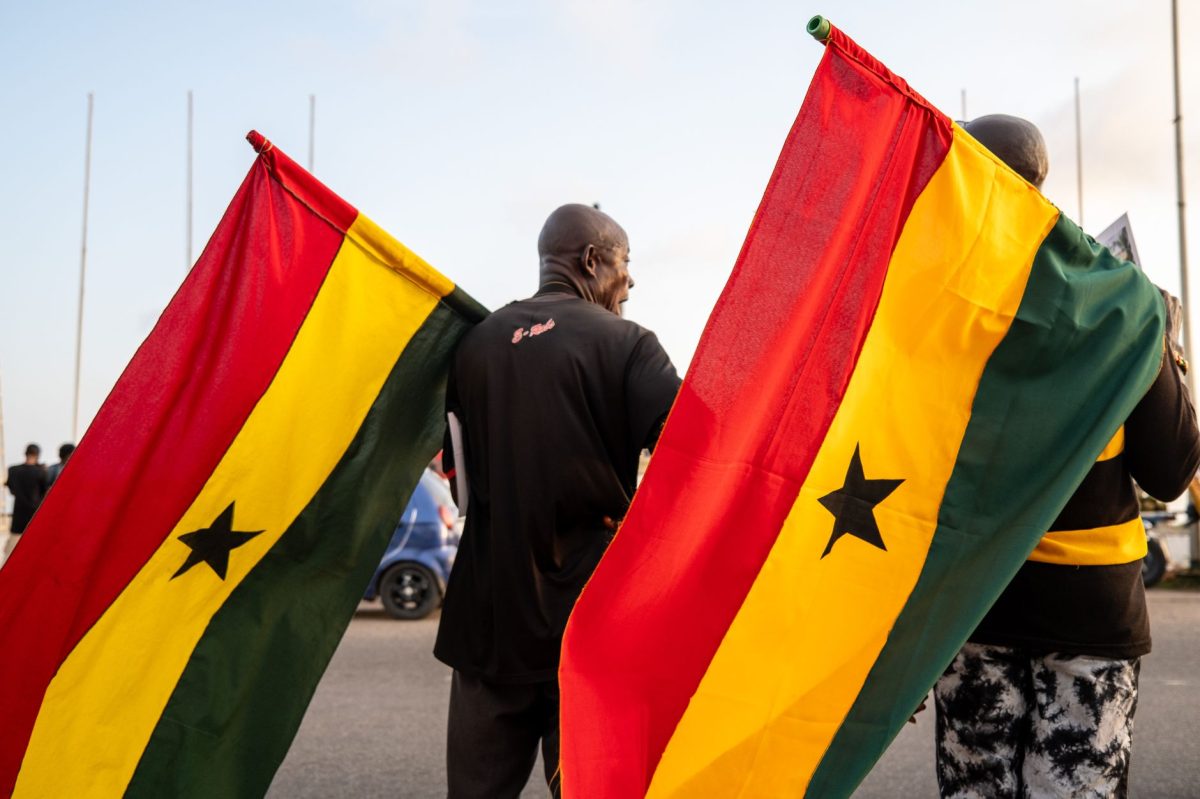
Ghana’s Upper West Region experienced a 12‑month oral polio vaccine stock‑out in 2023, the longest such interruption recorded on the continent (The Conversation Africa).
Africa stands at a crossroads in its fight against vaccine‑preventable diseases. The recent dip in coverage threatens hard‑won health gains, yet the five‑point plan offers a clear roadmap if resources are matched with political will. Families, health workers and policymakers all have a stake in turning the tide. The next weeks will reveal whether the continent can translate ambition into action and protect the next generation from preventable illness.