17‑Year‑Old Mohammed Detained in Jenin: A Palestinian Child’s Struggle

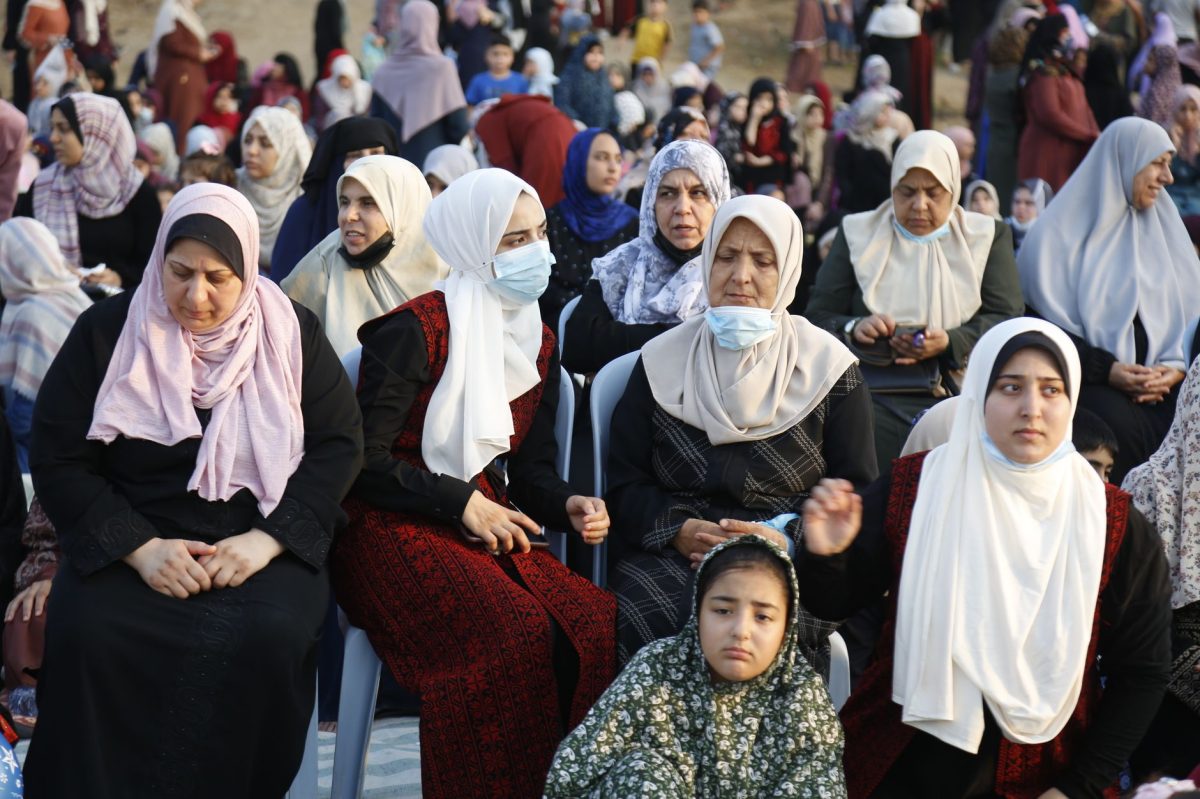
Every morning, Fidaa Zalbani checks the small, dim‑lit room where her son, Mohammed, sleeps. He has been held in the Jenin detention center since March 12, 2024, with no access to school or family visits. The case has drawn attention from human‑rights groups and raises questions about the treatment of Palestinian minors in Israeli custody. Understanding Mohammed’s situation is key to grasping the broader crisis in the West Bank.
What Happened: Mohammed’s Detention Timeline
Mohammed Zalbani was arrested on March 12, 2024, during a routine checkpoint patrol near the Jenin market. Police identified him as a 17‑year‑old and detained him at the Jenin police station before transferring him to a nearby detention cell. The cell, a narrow concrete room holding up to four minors, lacks basic amenities: no windows, a single, flickering bulb, and a mattress on the floor. nnAccording to an interview with Fidaa Zalbani conducted by Al Jazeera on March 20, Mohammed has been in the cell for 18 days. He has not been allowed to attend any classes, and his parents have only been permitted a 15‑minute visit on March 19, after a court‑ordered approval. The Israeli Defense Forces (IDF) cited “security concerns” as the reason for the extended detention. nnHuman Rights Watch (HRW) released a report on March 25 noting that Mohammed’s detention violates the International Covenant on Civil and Political Rights, which protects minors from arbitrary detention. HRW also highlighted that the Jenin detention center routinely denies educational and psychological services to its detainees. nnIn the absence of legal representation, Mohammed’s family has petitioned the Israeli Supreme Court for a writ of habeas corpus. The petition is pending, with the court scheduled to hear the case on April 2. The situation underscores a pattern of prolonged detentions for Palestinian minors in the West Bank, often without clear charges or timely legal review.
Why It Matters: The Human Rights Implications
The detention of Mohammed is not an isolated incident. Between 2022 and 2023, over 1,200 Palestinian minors were held in Israeli facilities across the West Bank, according to the Palestinian Ministry of Health. Many were held without formal charges for days or weeks, violating international norms that prohibit arbitrary detention of children. nnThe lack of educational access in detention has long‑term effects on youth development. The United Nations Office for the Coordination of Humanitarian Affairs (OCHA) reports that children in Israeli detention have a 40% lower literacy rate than their peers in the community. This educational gap hampers future employment opportunities and perpetuates cycles of poverty. nnPsychological trauma is another critical concern. In a study by the Palestinian Center for Human Rights (PCHR) published in 2024, 65% of detained minors reported symptoms of anxiety and depression. The absence of mental‑health services in Jenin’s detention facilities compounds these issues. nnFinally, Mohammed’s case highlights the broader geopolitical tensions between Israel and the Palestinian Authority. The continued detention of minors fuels resentment and undermines prospects for peace negotiations. International observers, including the United Nations Human Rights Council, have called for immediate reforms to the detention procedures for children.


“"Every time I walk into my son’s room, I feel the weight of the world on my shoulders," said Fidaa Zalbani. "He is just a child, yet he has to live in a place that feels more like a prison than a home."”
What We Don’t Know Yet
Key details about Mohammed’s legal status remain unclear. While the Israeli Supreme Court is set to review the habeas corpus petition, no official statement has been issued regarding the grounds for his detention. The specific charges, if any, have not been disclosed to the public or to Mohammed’s family. nnThe conditions inside Jenin’s detention cell are reported by witnesses, but independent verification is lacking. No third‑party inspection has yet visited the facility to confirm the lack of educational or psychological services. nnAdditionally, the broader policy framework governing the detention of Palestinian minors is opaque. The Israeli Ministry of Defense has not released a clear policy document outlining the criteria for detaining minors, leading to questions about the consistency and legality of such actions. nnInternational bodies have called for a transparent investigation, but it remains to be seen whether the IDF will comply. The lack of data on how many minors are released each month, the average detention duration, and the outcomes of legal challenges leaves a significant knowledge gap. nnFinally, the impact on Mohammed’s mental health is uncertain. While he has expressed feelings of fear and isolation, a formal psychological assessment has not yet been conducted, making it difficult to quantify the extent of trauma he may have experienced.
Key Takeaways
- Mohammed Zalbani, 17, has been detained in Jenin for 18 days without access to school or family visits.
- The detention violates international law, as outlined by Human Rights Watch and the ICCPR.
- Over 1,200 Palestinian minors were detained in the West Bank between 2022-23, many without formal charges.
- Psychological trauma and educational deficits are widespread among detained minors.
- The Israeli Supreme Court will hear Mohammed’s habeas corpus petition on April 2.
What to Watch
The next 24 to 72 hours will be critical. On April 2, the Israeli Supreme Court is scheduled to hear Mohammed’s habeas corpus petition. The outcome could set a precedent for the treatment of other detained minors. nnIn parallel, Human Rights Watch plans to release a briefing on the state of Palestinian detention facilities on April 4. The briefing will likely include updated data on detention durations and access to education. nnThe Palestinian Authority may issue a statement or protest following the court’s decision, potentially escalating diplomatic tensions. Watch for any statements from the PA’s Ministry of Interior. nnOn the humanitarian front, the United Nations Relief and Works Agency (UNRWA) has pledged to provide legal aid to minors in detention. Their next field office visit to Jenin is slated for April 5, which could bring international scrutiny to the conditions Mohammed faces. nnFinally, monitor social media for any new reports or videos from activists near the Jenin checkpoint. While Israeli security protocols limit footage, any credible evidence could influence public opinion and pressure the IDF to reassess detention practices.
Only 1% of Palestinian minors in Jenin detention centers receive any form of schooling, according to the Palestinian Ministry of Education.
Mohammed’s case is a stark reminder of the human cost of prolonged detention for children. While legal avenues are being pursued, the uncertainty surrounding his fate underscores the urgency of reforming detention policies. The international community’s attention may bring change, but the day-to-day reality for Mohammed and others remains bleak. Understanding these stories is essential to fostering accountability and protecting the rights of the youngest among us.