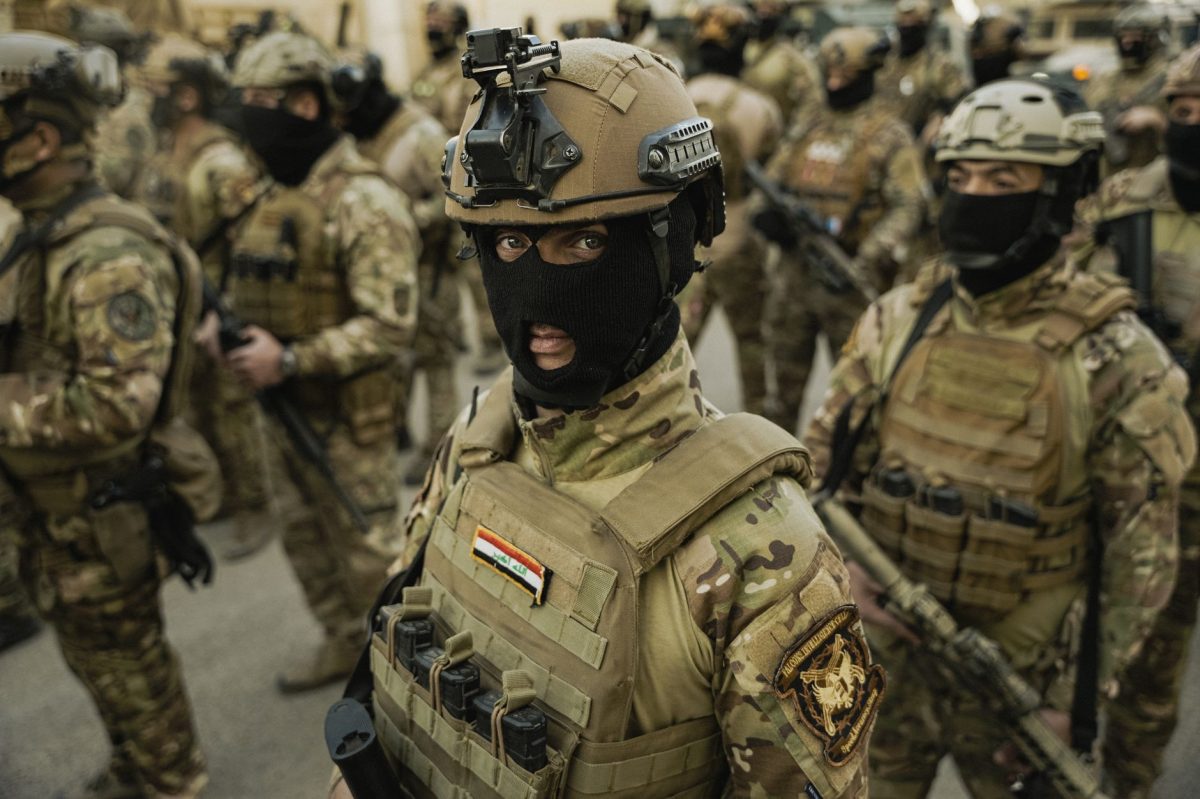
Sudan Civil War Enters 3½ Years as Foreign Arms Fuel SAF‑RSF Clash

Three and a half years after the Sudanese Armed Forces (SAF) and the Rapid Support Forces (RSF) ignited a power struggle, the conflict shows no sign of abating. Recent reports confirm that weapons shipments from the United Arab Emirates and Russia have surged, sustaining frontline offensives in Khartoum and Darfur. The prolonged fighting threatens to push millions more into famine and displacement. Understanding the foreign dimension is crucial for any diplomatic resolution.
What Happened: Timeline of the SAF‑RSF Conflict
The clash began on April 15, 2023, when the RSF, a paramilitary group born from the Janjaweed militia, attempted to seize key military installations in Khartoum. Within hours, the Sudanese Armed Forces, led by General Abdel Fattah al‑Burhan, mobilized loyal troops and launched counter‑attacks across the capital. By May, the fighting spilled into Darfur, South Kordofan and the Blue Nile, turning the country into a patchwork of frontlines. According to an account to IPS London, the United Nations Office for the Coordination of Humanitarian Affairs recorded over 5,000 new internal displacements in the week of August 12 alone, highlighting the conflict’s intensity. In September 2023, the United Arab Emirates openly supplied the RSF with armored vehicles, while Russia’s Wagner Group reportedly provided tactical advice to the SAF. The United States imposed limited sanctions on RSF leaders in early 2024, but the sanctions have not halted the flow of ammunition. By March 2024, satellite imagery showed a new supply route through Sudan’s Red Sea port of Port Sudan, used to move weapons from Gulf states to RSF‑controlled warehouses. The war has claimed an estimated 15,000 lives, according to the Sudanese Doctors’ Union, and has crippled the nation’s already fragile economy.
Why It Matters: Regional Fallout and Human Cost
The foreign involvement in Sudan’s civil war reshapes power balances across the Horn of Africa. First, the influx of Gulf‑sourced arms has emboldened the RSF, allowing it to hold strategic towns such as El Fasher and Nyala for months. This prolongs insecurity for civilians, who face daily curfews, disrupted markets, and limited access to clean water. Second, Russia’s covert support for the SAF signals a broader attempt to secure mineral concessions, particularly gold and uranium, in exchange for military assistance. This dynamic threatens to lock Sudan into a dependency that could outlast the current fighting. Third, neighboring countries like Ethiopia and Chad are experiencing spill‑over effects; refugees fleeing Khartoum have overwhelmed camps in Adjumani and Gambella, stretching humanitarian resources thin. Finally, the continued flow of weapons undermines the African Union’s peace‑keeping initiatives, making a unified African response more difficult. For ordinary Sudanese, the immediate impact is loss of livelihoods, school closures, and a growing risk of famine as agricultural cycles are repeatedly disrupted by shelling and land‑mines.
“General Abdel Fattah al‑Burhan warned in a televised address on March 2 that "foreign arms shipments are the lifeblood of the RSF’s campaign and must be halted for any peace to take hold," underscoring the government's view that external actors are prolonging the war.”
What We Don’t Know Yet
Despite mounting evidence of foreign supply lines, the full scope of external involvement remains opaque. Intelligence agencies have not disclosed the exact volume of weapons delivered, nor have they identified all state actors facilitating the transfers. It is unclear whether the United Nations sanctions imposed in early 2024 have significantly curtailed RSF procurement or merely forced the group to rely on illicit smuggling routes. Moreover, the internal dynamics of the RSF leadership are murky; reports suggest splinter factions may be negotiating separate deals with regional powers, potentially fracturing the group’s command structure. The humanitarian data also contain gaps: while the UN tracks displacement, reliable casualty figures from remote battle zones like South Kordofan are still missing. Finally, the role of private military contractors, especially those linked to the Wagner Group, is not fully documented, leaving analysts uncertain about the extent of Russian tactical influence on SAF operations.
Key Takeaways
- The SAF‑RSF war has lasted 3½ years, fueled by weapons from the UAE, Russia and other Gulf states.
- Over 5,000 people were displaced in a single week of August 2024, according to UN OCHA data.
- Foreign arms inflows keep the RSF capable of holding key towns, extending civilian suffering.
- Regional spill‑over includes refugee flows into Ethiopia and Chad, stressing neighboring aid systems.
What to Watch: Near‑Term Developments
In the next 24‑72 hours, observers should monitor three key indicators. First, any official statements from the United Arab Emirates or Saudi Arabia regarding arms exports to Sudan will signal whether diplomatic pressure is mounting. Second, movements of cargo ships through Port Sudan, observable via AIS tracking platforms, could reveal a new surge or slowdown in weapon deliveries. Third, the African Union’s peace‑keeping mission, AU‑AMIS, is slated to request an emergency briefing from the UN Security Council on March 28; the outcome could reshape the mandate for a neutral force in Khartoum. Analysts should also keep an eye on local media for reports of cease‑fire negotiations between al‑Burhan and RSF commander Mohamed Hamdan "Hemedti" Dagalo, as any tentative agreement could alter the flow of foreign aid. Realistic outcomes range from a temporary lull in fighting to a rapid escalation if one side perceives a loss of external support.
In February 2024, satellite images showed a convoy of 12 armored trucks arriving at a RSF depot in Nyala, a detail first identified by the investigative group Bellingcat.
The Sudanese conflict illustrates how external actors can transform a domestic power struggle into a protracted humanitarian disaster. While the SAF and RSF continue to clash over territory, ordinary citizens bear the brunt—facing food insecurity, loss of schooling, and constant fear of violence. International attention has highlighted the role of foreign arms, yet decisive action remains elusive. A sustainable resolution will require not only a cease‑fire but also a concerted effort to cut off the supply chains that keep the war alive. Until then, Sudan's people will remain caught in a cycle of bloodshed and uncertainty.