Sudan’s Gen. Malik Agar Says Sudan Does Not Want War With Ethiopia Amid Rising Tensions

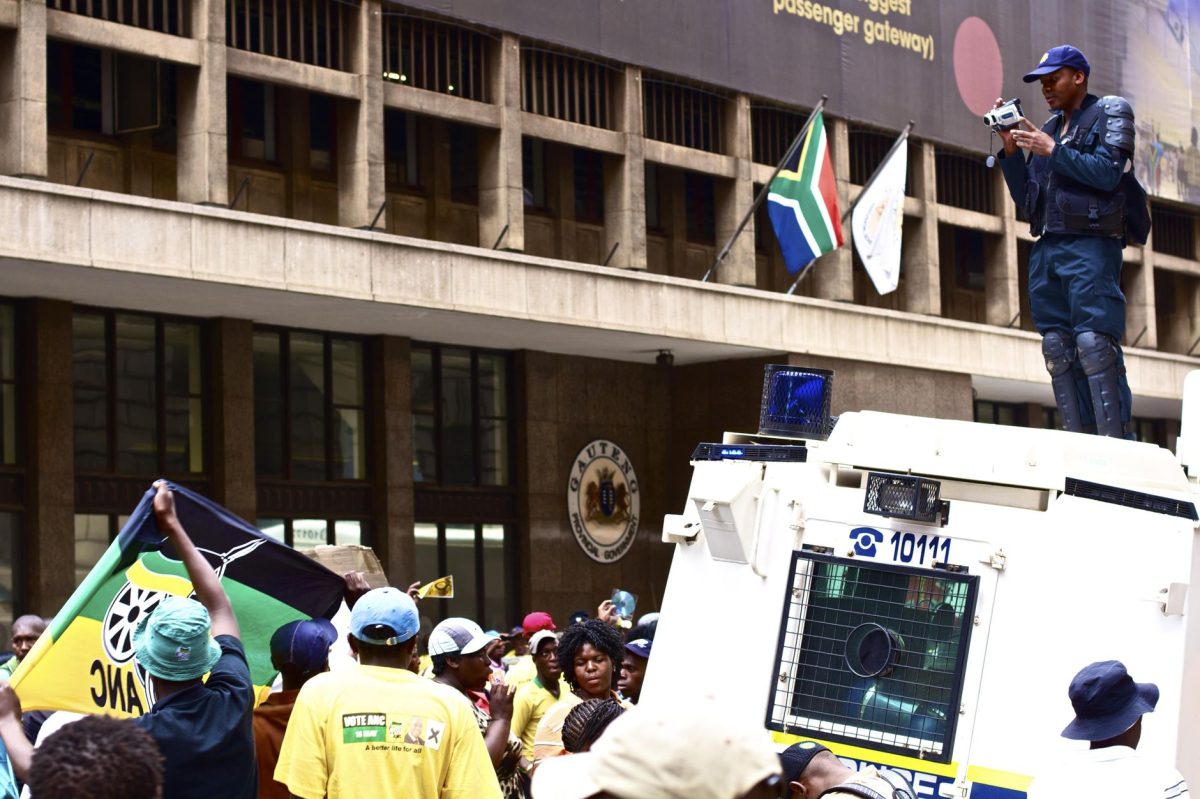
On September 16, 2024, Sudan’s Deputy Head of the Sovereignty Council, Gen. Malik Agar, told reporters in Khartoum that Sudan does not want war with Ethiopia despite what he called an increasingly hostile posture from Addis Ababa. The statement came as clashes over the disputed al‑Fashaga border area intensified. Agar’s remarks signal a diplomatic overture that could shape the next phase of a crisis already spilling into humanitarian corridors.
What Happened: Sudan’s Official Stance and Recent Border Skirmishes
According to a report by the Addis Standard, Gen. Malik Agar addressed a press conference on September 15, 2024, in Khartoum, stating, “Sudan does not want to go to war with Ethiopia.” He added that the Sudanese military perceives a “hostile position from Addis Ababa” but emphasized that war is not the desired path. The comment followed a series of armed confrontations along the al‑Fashaga border, a fertile strip that both nations claim. On September 12, Sudanese forces repelled an Ethiopian militia incursion near the town of Gallabat, resulting in at least five injuries on the Sudanese side, according to the Sudanese Ministry of Defense. The clash sparked a rapid diplomatic exchange: Ethiopia’s Foreign Ministry summoned the Sudanese ambassador on September 13, demanding “clarification of Sudan’s military movements.” The tension escalated further when Ethiopian troops reportedly entered the Tigray region to support local militias, a move Sudan described as “unacceptable interference.” The situation remains fluid, with both capitals exchanging accusations over border demarcation and security guarantees. The core dispute centers on a 1,200‑square‑kilometer tract of land that was left ambiguous after the 2005 Comprehensive Peace Agreement, and both sides have mobilized troops near the disputed line. The latest statements from Agar aim to temper the rhetoric while preserving Sudan’s strategic leverage.
Why It Matters: Regional Stability, Humanitarian Access, and Economic Stakes
The Sudan‑Ethiopia standoff threatens the broader Horn of Africa, a region already strained by climate‑driven droughts and protracted conflicts. First, the border dispute risks drawing in neighboring countries. Eritrea and South Sudan have previously acted as mediators in similar disputes, and any escalation could force them to choose sides, destabilising trade routes that link the Red Sea to the interior of Africa. Second, humanitarian agencies fear that renewed fighting will cut off aid corridors to millions of displaced people in both Sudan’s Darfur region and Ethiopia’s Amhara and Tigray states. The United Nations Office for the Coordination of Humanitarian Affairs (OCHA) warned in a briefing on September 14 that a full‑scale clash could jeopardize the delivery of food assistance to over 1.2 million people currently reliant on cross‑border shipments. Third, the al‑Fashaga area is a key agricultural zone that supplies wheat and sorghum to both nations. Disruption of farming cycles would raise food prices in Khartoum and Addis Ababa, exacerbating inflation that already sits above 30 % in Sudan. Finally, the dispute intersects with the ongoing internal power struggle in Ethiopia, where Prime Minister Abiy Ahmed’s government is battling the remnants of the Tigray People's Liberation Front. A war with Sudan could divert Ethiopian military resources away from its own internal security, potentially reshaping the balance of power in Addis Ababa’s coalition government. For ordinary citizens on both sides of the border, the stakes are immediate: loss of livelihoods, risk of conscription, and the spectre of refugee flows that could strain already overburdened camps.

“"We are not seeking conflict; we are seeking dialogue and a peaceful resolution," Gen. Malik Agar said during a televised interview on Sudanese state TV on September 16, 2024, emphasizing that war would be detrimental to both nations.”
What We Don’t Know Yet: Gaps in Intelligence and Diplomatic Channels
Despite Agar’s public statements, several critical uncertainties remain. First, the exact composition and intent of the Ethiopian forces operating near the border are unclear. While Ethiopian officials claim they are “protecting civilians” in the Tigray region, satellite imagery released by the European Space Agency on September 13 shows armored convoys moving toward the Sudanese frontier, suggesting a possible offensive posture. Second, the internal decision‑making process within Sudan’s Sovereignty Council is opaque. Analysts note that the Council includes both military and civilian members, and it is unknown how much influence civilian leaders such as Prime Minister Osman Hussein have over the military’s diplomatic messaging. Third, the role of external actors—particularly Egypt, Saudi Arabia, and the United Arab Emirates—has not been fully disclosed. These states have historically supplied arms to both Sudan and Ethiopia, and their positions could shift the calculus of either side. Fourth, the timeline for any mediated talks is uncertain. While the African Union has offered to host a summit, no official invitation has been extended, and the logistics of bringing together delegations from two war‑torn nations remain unresolved. Finally, the humanitarian impact is still being quantified. OCHA’s latest figures are provisional, and the exact number of civilians displaced by the September 12 clash is still being verified on the ground.
Key Takeaways
- Gen. Malik Agar publicly stated Sudan does not want war with Ethiopia, despite border tensions.
- The disputed al‑Fashaga region remains the flashpoint, with both armies mobilizing near the line.
- Humanitarian aid to over 1.2 million people could be jeopardized if fighting resumes.
- Regional actors, including the African Union, are poised to mediate but have yet to act.
- Uncertainty persists around Ethiopian troop intentions and Sudan’s internal decision‑making.
What to Watch: Near‑Term Developments Over the Next 24‑72 Hours
Observers should monitor three key developments. First, diplomatic communications between Khartoum and Addis Ababa. If the Ethiopian Foreign Ministry issues a formal response to Agar’s remarks within the next 48 hours, it could indicate a willingness to negotiate or, conversely, a hardening of rhetoric. Second, troop movements along the al‑Fashaga border. Real‑time updates from the United Nations Mission in Sudan (UNMIS) and the Ethiopian National Defense Force will reveal whether either side is reinforcing positions, which could signal an imminent escalation. Third, the reaction of regional bodies. The African Union’s Peace and Security Council is scheduled to meet on September 18; a resolution calling for an emergency summit would be a concrete step toward de‑escalation. In contrast, a lack of action may embolden hardliners on both sides. Stakeholders such as the United Nations, the European Union, and major humanitarian NGOs are also likely to issue statements or adjust aid routes, and those moves will shape the humanitarian landscape for the weeks ahead.
The al‑Fashaga border strip, first delineated in the 1902 Anglo‑Egyptian treaty, still lacks a fully surveyed demarcation, according to a 2023 study by the International Boundaries Research Unit.
The statements from Sudan’s deputy head reflect a desire to avoid a costly war, yet the underlying territorial dispute and regional rivalries keep the situation precarious. For families living on the border, the difference between dialogue and artillery fire will determine whether they can harvest their fields or flee to overcrowded camps. As diplomatic channels test their limits, the international community’s ability to facilitate a credible peace process will be the true measure of success in preventing another humanitarian crisis in the Horn of Africa.