Kenya's Human Rights Commission Warns of Rising Insecurity and Political Violence Ahead of 2027 Elections


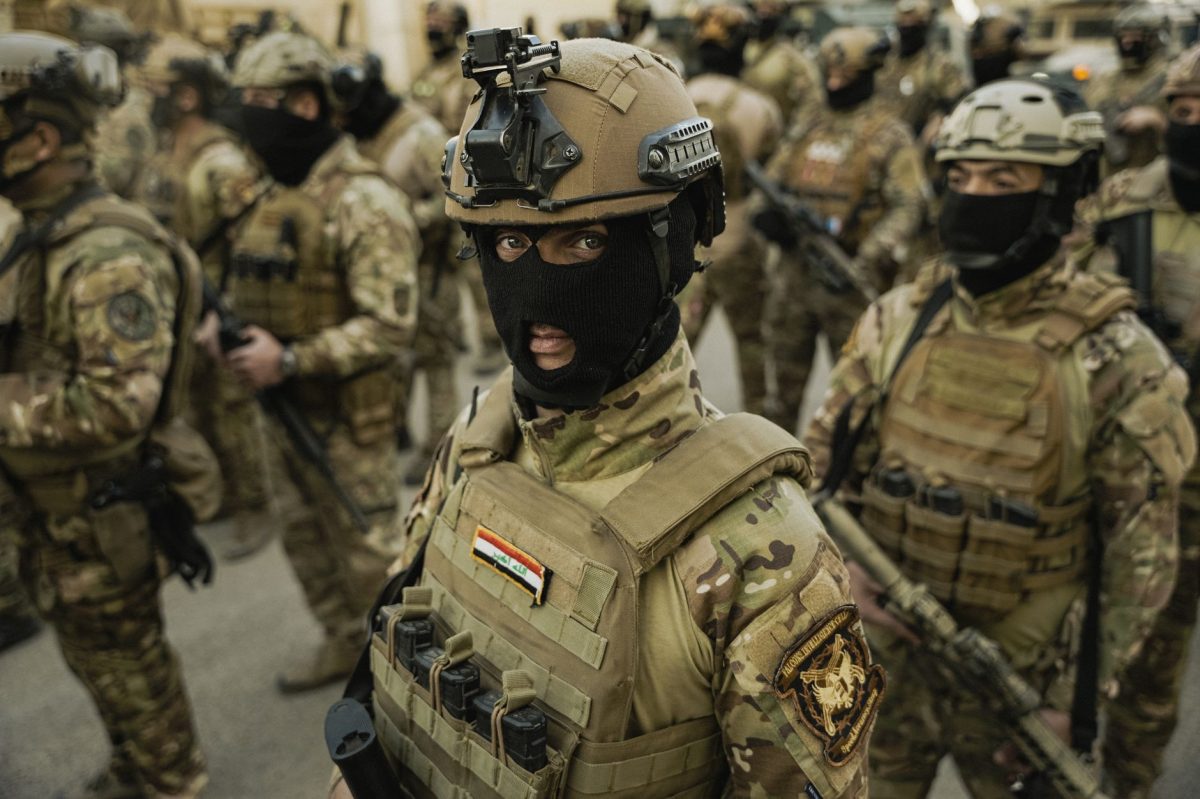
The Kenya National Commission on Human Rights (KNCHR) released a statement on Tuesday highlighting a surge in violent incidents across several counties. The alert comes as Kenya prepares for the 2027 general elections, a period traditionally marked by heightened political tension. KNCHR officials say the pattern of attacks threatens both civilian safety and the integrity of the upcoming vote. The commission is calling for immediate security measures and dialogue among political leaders.
What Happened: Recent Insecurity and Political Rhetoric
According to a report by Capital FM, the KNCHR documented at least 23 violent incidents between June 1 and June 20, 2024. The incidents include armed robberies in Turkana County, a deadly clash between rival youth groups in Garissa, and a series of intimidation calls targeting opposition candidates in Nairobi's Eastlands. The commission’s annual security audit, released on June 25, notes that the number of reported attacks is up 37% compared with the same period in 2023. A concrete detail from the audit: on June 12, three security personnel were injured in a roadside ambush near Lodwar, Turkana, while escorting a convoy of election officials. The KNCHR attributes the spike to inflammatory statements made by several high‑profile politicians during recent rallies, which have stoked ethnic divisions and encouraged militia activity. The commission’s chair, Dr. Nancy Gathungu, emphasized that the pattern is not isolated but part of a broader escalation in political violence as parties vie for power ahead of the 2027 elections.
Why It Matters: Impact on Citizens and the Democratic Process
The rise in insecurity directly threatens ordinary Kenyans who already face economic hardship and limited access to basic services. In Turkane, farmers report abandoning fields after night‑time raids, leading to a projected 12% drop in maize yields for the season, according to the County Agricultural Office. In Garissa, school attendance has fallen by an estimated 8% as parents keep children at home fearing attacks on public spaces. This erosion of daily life undermines confidence in the state’s ability to protect its people. Moreover, the climate of fear hampers free political expression. Candidates in contested constituencies are canceling public rallies, reducing voter outreach and skewing the democratic discourse. International observers, including the African Union’s Election Observation Mission, have warned that unchecked violence could delegitimize the 2027 vote, potentially triggering post‑election unrest. The KNCHR’s warning, therefore, is not merely about isolated crimes but about the health of Kenya’s democratic institutions and the everyday safety of its citizens.

“Dr. Nancy Gathungu told reporters that "if the current trajectory continues, we risk a cycle of retaliation that could cripple Kenya’s electoral process and leave vulnerable communities exposed," emphasizing the urgent need for dialogue and security reforms.”
What We Don't Know Yet: Gaps in Data and Uncertain Outcomes
While the KNCHR’s audit provides a snapshot of recent violence, several critical questions remain unanswered. First, the full extent of political actors’ involvement in inciting unrest is still unclear; many statements have been made publicly, but direct links to armed groups have not been conclusively proven. Second, the capacity of Kenya’s security forces to respond effectively is uncertain, as recent budget cuts have reduced patrols in remote areas, a fact noted in a parliamentary oversight report but not yet quantified in terms of response times. Third, the potential impact of upcoming legislative reforms on election security is still under debate, with the proposed Security and Election Integrity Bill yet to pass through the National Assembly. Finally, the KNCHR has not released detailed demographic data on victims, making it difficult to assess whether certain ethnic or age groups are disproportionately affected. These gaps hinder a comprehensive assessment of the threat level and complicate policy responses.
Key Takeaways
- KNCHR recorded 23 violent incidents in June 2024, a 37% rise from the previous year.
- Attacks in Turkana and Garissa are disrupting agriculture and education, affecting livelihoods.
- Political leaders' inflammatory speeches are linked to increased militia activity ahead of 2027 elections.
- Unclear links between politicians and armed groups, and limited security resources, hinder response.
- Monitoring government task‑force creation, party rhetoric, and security deployments will indicate next steps.
What to Watch: Indicators in the Next 24‑72 Hours
In the coming days, observers should monitor three key developments. First, the response of the Ministry of Interior to the KNCHR’s call for a joint task force; an official announcement within 48 hours would signal a coordinated approach. Second, any public statements or rallies by the leading political parties—particularly the Jubilee and ODM coalitions—since their rhetoric can either inflame or calm tensions. Third, the deployment of additional security personnel to the hotspots identified by the KNCHR, such as Lodwar, Garissa town, and Nairobi’s Eastlands. Satellite imagery and local news reports can confirm troop movements. If these indicators show proactive measures, there may be a de‑escalation; if they remain absent, the risk of further attacks and election‑related violence will likely rise.
Turkana's Lodwar airport handled only 2,300 passengers in 2023, making it one of Kenya's least busy airports, according to the Kenya Civil Aviation Authority.
Kenya stands at a crossroads as the 2027 elections approach. The KNCHR’s warning underscores a fragile security environment that threatens both ordinary citizens and the democratic process. While authorities have the opportunity to intervene with coordinated measures, the path forward remains uncertain. Continued vigilance and transparent dialogue will be essential to prevent further escalation and to safeguard Kenya’s future.