Spain unveils 2030 Sustainable Tourism Strategy, putting residents at its core

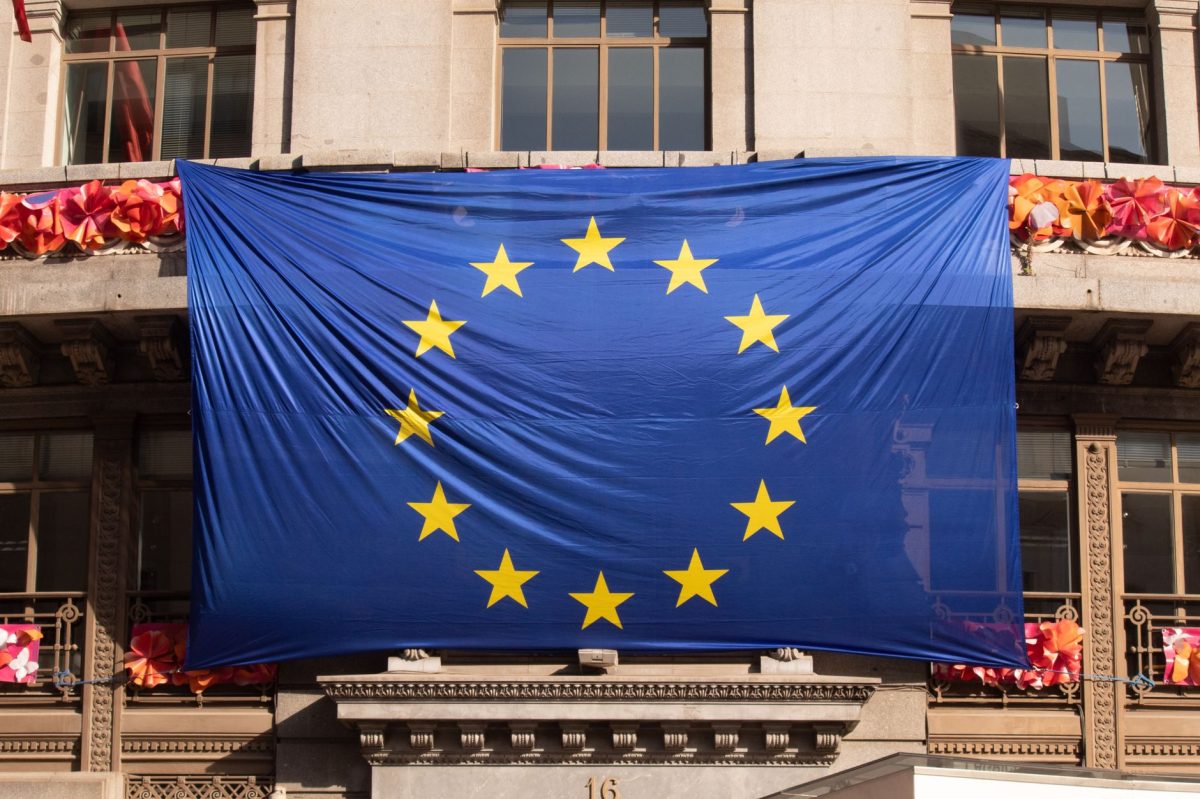
Spain's government announced a nation‑wide sustainable tourism blueprint on June 12, 2024. The strategy targets the influx of 100 million international visitors projected for this year. By centring residents in policy decisions, officials hope to curb overtourism and preserve natural and cultural assets. The move follows years of protests in hotspots like Barcelona and the Balearic Islands.
What the new strategy entails
The Ministry of Industry, Trade and Tourism released the full text of the 2030 Sustainable Tourism Strategy on Tuesday, June 12, 2024. The document outlines twelve priority actions, ranging from visitor caps in heritage zones to a €1.2 billion fund for green infrastructure in coastal towns. One concrete measure is the creation of resident‑led tourism councils in 25 municipalities, beginning with the historic fishing village of Cadaqués, which will receive €12 million to develop community‑controlled tours and low‑impact accommodations. The plan also mandates that all new hotel projects submit a carbon‑offset plan vetted by the national environmental agency. A pilot program in the Sierra de Guadarrama will test electric shuttle services for hikers, with the first fleet scheduled for early 2025. According to the Ministry's press release, the strategy will be reviewed every two years to adjust targets based on visitor data and resident feedback.
Why the focus on residents matters
Over the past decade, Spain has grappled with the social costs of mass tourism. In Barcelona, housing rents rose by 27 % between 2017 and 2022, forcing many locals out of historic neighborhoods. Similar pressure has been documented on the islands of Mallorca and Ibiza, where waste management systems are routinely overwhelmed during the summer peak. By making residents a "core" element of the policy, the government acknowledges that tourism must serve the public good, not just generate revenue. The strategy promises to protect affordable housing by earmarking a portion of tourism tax revenues for local rent subsidies. It also seeks to improve public services—such as water supply and waste collection—by linking them to visitor numbers, ensuring that municipalities can scale resources in line with demand. For ordinary Spaniards, the plan could mean quieter streets, cleaner beaches, and a more balanced job market that offers stable, year‑round employment rather than seasonal spikes. Environmental groups have welcomed the emphasis on carbon‑offsetting, noting that Spain's tourism sector accounts for roughly 5 % of national greenhouse‑gas emissions, according to the Ministry for the Ecological Transition.


“"We cannot let tourism become a burden for Spaniards; the strategy puts their well‑being at the heart of every decision," said Tourism Minister Teresa Ribera during the June 12 press conference.”
What we don’t yet know
While the strategy is ambitious, several key details remain vague. The exact enforcement mechanisms for visitor caps have not been disclosed; it is unclear whether local police, regional authorities, or a new national body will monitor compliance. The timeline for rolling out the €1.2 billion green‑infrastructure fund also lacks specificity—will funds be released in tranches, or will projects compete for grants? Moreover, the criteria for measuring resident satisfaction are still under development, raising questions about how success will be quantified. Critics ask whether the carbon‑offset requirement will be merely symbolic or backed by rigorous verification standards. Finally, the impact on tourism revenue is uncertain; industry analysts fear that stricter limits could deter high‑spending visitors, but the government has not released projected economic forecasts to address that concern.
Key Takeaways
- Spain expects **100 million** international visitors in 2024, prompting a new sustainability plan.
- The 2030 strategy allocates €1.2 billion for green projects and resident‑led tourism councils.
- Resident well‑being is now a statutory objective, linking tourism tax revenue to affordable housing.
- Implementation details such as enforcement and carbon‑offset verification remain unclear.
- Parliamentary debate and regional reactions in the next week will indicate the plan’s viability.
What to watch in the coming days
In the next 24‑72 hours, attention will turn to the parliamentary debate scheduled for next week, where opposition parties are expected to probe the funding mechanisms and demand greater transparency. Regional governments in Catalonia, the Balearic Islands, and Andalusia will likely issue statements outlining how they plan to implement the resident councils, providing early clues about local buy‑in. Tourism operators, especially large hotel chains, are preparing to lobby for exemptions or phased timelines, so any press releases from hospitality associations will be telling. Finally, the European Union’s Sustainable Tourism Initiative is set to release a complementary guideline next month; alignment—or lack thereof—between the EU document and Spain’s strategy could shape funding eligibility and cross‑border cooperation.
Spain’s Balearic Islands saw a 35 % rise in Airbnb listings between 2020 and 2023, according to data from the National Statistics Institute (INE).
Spain’s 2030 Sustainable Tourism Strategy marks a decisive shift toward balancing economic benefits with community health and environmental stewardship. By embedding resident interests into the core of tourism policy, the government hopes to defuse the tensions that have plagued popular destinations for years. Success will hinge on clear enforcement, transparent metrics, and cooperation across national, regional, and local levels. If the plan delivers on its promises, Spain could become a model for other heavily visited nations seeking to protect both people and places.