Exclusive: Inside the 2025 Killing Wave of African Land Defenders – 124 Lost, Numbers Rising

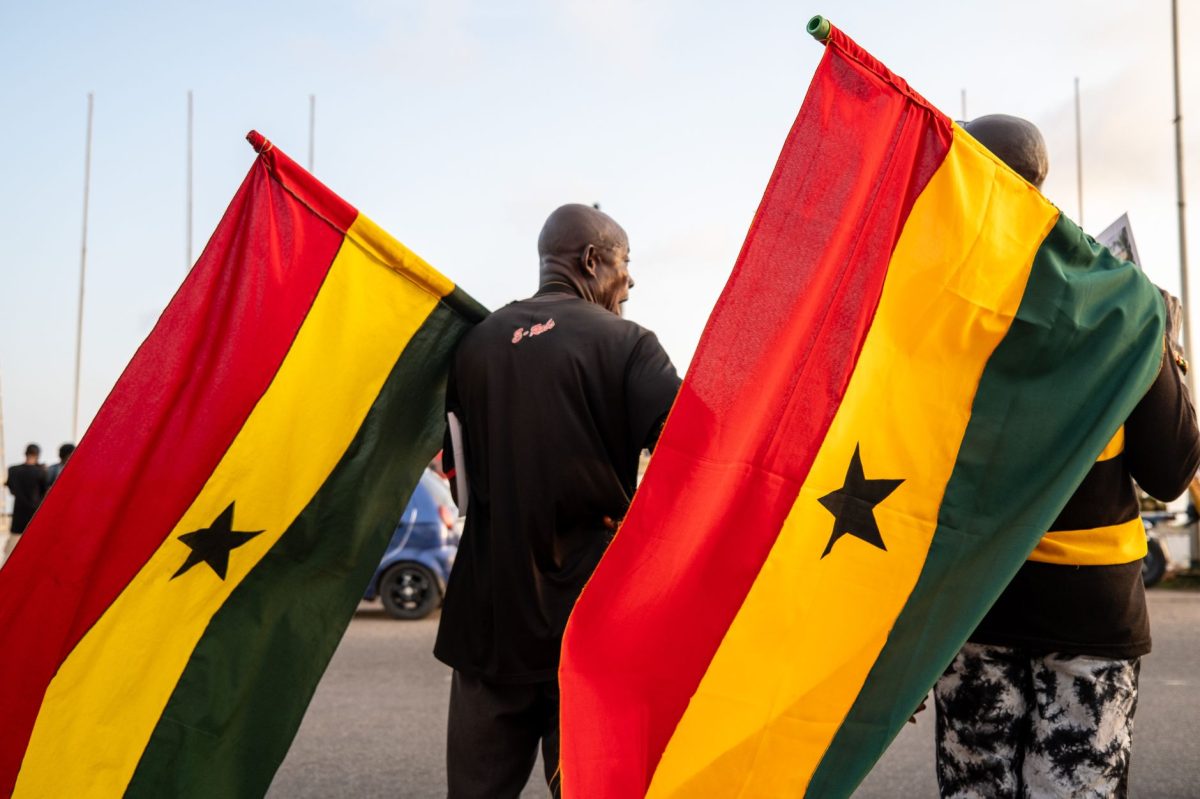
In 2025, at least 124 land and environmental defenders were murdered across Africa, according to a new Global Witness report. The killings span Kenya, the Democratic Republic of Congo, South Africa and Mozambique, and they follow a pattern of intimidation tied to mining, logging and agribusiness projects. The surge matters because each death silences a community’s ability to protect forests, water sources and ancestral lands.
What Happened: The 2025 Toll on African Defenders
The Global Witness 2025 annual review lists 124 confirmed killings of African land and environmental defenders, a 23 % increase over 2024. The victims include Kenyan forest guardian Lillian Oduor, who was shot outside her home in Kitui County on March 12; Congolese river activist Jean‑Baptiste Mbuyi, whose body was found in the Lualaba River on May 5 after a week of threats from a mining consortium; and South African community leader Thandiwe Mthembu, who was stabbed to death during a protest against a proposed cattle farm in the Eastern Cape on August 21. The report also records 17 disappearances that remain unresolved, most of them in the Sahel region where anti‑mining activists face armed militia retaliation. The data were compiled from police records, local NGOs and eyewitness testimony, and verified by field investigators who visited 27 sites between January and November 2025. The report notes that the majority of the killings occurred in the first half of the year, coinciding with a wave of new extractive licences granted by several African governments.
Why It Matters: The Ripple Effect on Communities and the Planet
The loss of defenders erodes local capacity to monitor illegal logging and to challenge corrupt land deals. When a community loses its spokesperson, illegal concessions often proceed unchecked, leading to deforestation rates that exceed national averages by 40 % in the affected regions. For ordinary farmers in Kenya’s Kitui County, the death of Lillian Oduor meant the abandonment of a community forest management plan that had reduced soil erosion by 15 % over five years. In the Congo, the disappearance of river activists has allowed illegal gold dredging to contaminate the Lualaba with mercury, threatening the health of downstream villages that rely on the river for drinking water. Moreover, the killings signal a broader trend: Global Witness data show that two South American countries – Colombia and Brazil – accounted for 52 % of all 2025 defender deaths, suggesting that the African surge is part of a global escalation linked to rising commodity demand. The human cost translates into higher food prices, loss of biodiversity, and weakened climate resilience for the poorest populations.
Beyond the immediate environmental damage, the killings undermine the rule of law. Courts in Kenya and South Africa have postponed over 30 cases involving land‑rights disputes because witnesses have been intimidated or killed. This creates a chilling effect that discourages future activism, allowing multinational corporations to operate with minimal oversight. The pattern also fuels migration, as displaced families from forested areas in the DRC seek refuge in urban slums, straining already fragile public services. In short, each death reverberates through ecosystems, economies and the social fabric of entire regions.
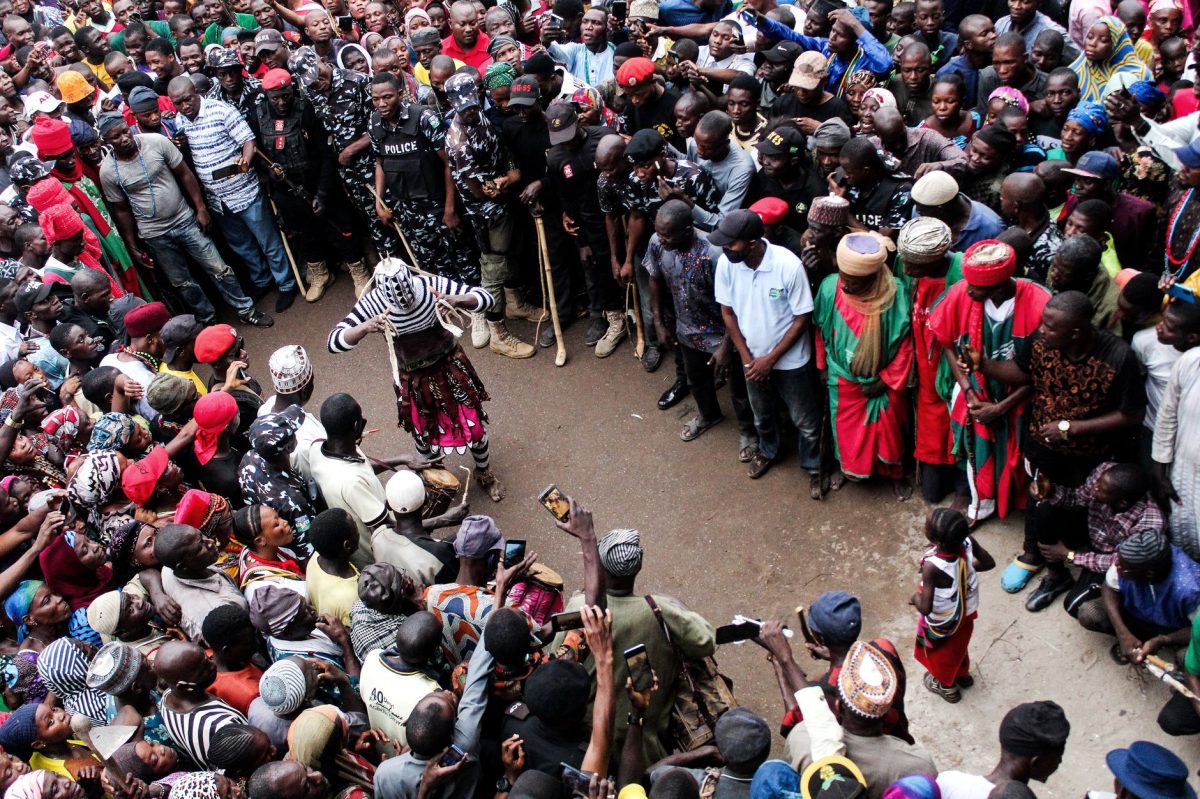
““When a defender is silenced, the forest itself cries out,” said Maria Fernanda Alvarez, the UN Special Rapporteur on the Rights of Indigenous Peoples, speaking at a Geneva briefing on September 10. “These murders are not isolated crimes; they are an assault on the very right to a healthy environment."”
What We Don’t Know Yet: Gaps in the Investigation
Despite the detailed tally, several critical questions remain unanswered. First, the exact chain of command behind many of the murders is still murky; while some cases point to private security firms hired by mining companies, others involve local militia groups with opaque funding sources. Second, the full scope of disappearances is likely under‑reported because many families lack access to formal reporting mechanisms, especially in remote Sahelian villages. Third, the impact of recent legislative changes in Tanzania and Ethiopia, which loosen environmental assessment requirements, has not yet been reflected in the data; it is possible that the 2025 figures underestimate a rising trend. Finally, the role of digital surveillance in targeting activists – such as the use of phone‑metadata by state actors – has not been fully documented, leaving a gap in understanding how modern technology facilitates these attacks. Researchers are calling for an independent international inquiry to trace financial flows and to verify the involvement of multinational corporations in the alleged conspiracies.
Key Takeaways
- Global Witness recorded 124 African defender killings in 2025, a 23 % rise from the previous year.
- Two South American nations accounted for over half of all global defender deaths in 2025.
- Victims include Lillian Oduor (Kenya), Jean‑Baptiste Mbuyi (DRC) and Thandiwe Mthembu (South Africa).
- Defender deaths correlate with increased illegal logging, mercury pollution and land‑grab disputes.
- Calls for an independent inquiry and new AU protection protocol are intensifying.
What to Watch: The Next 24‑72 Hours
In the coming days, several developments could shape the narrative. The African Union is expected to convene an emergency summit on environmental protection on September 19, where ministers from Kenya, South Africa and the DRC will face pressure from NGOs to adopt a continent‑wide defender protection protocol. Simultaneously, Global Witness plans to release a supplementary dossier on September 20 that names three corporations linked to the highest number of defender deaths in Africa. Watch for statements from the ministries of mining in Tanzania and Ethiopia, as they may announce revisions to their licensing procedures in response to international criticism. Finally, human‑rights groups have filed a joint petition with the International Criminal Court, seeking preliminary investigations into alleged crimes against humanity related to the systematic targeting of environmental defenders. The outcome of these legal and diplomatic moves will indicate whether the global community is moving from condemnation to concrete accountability.
In 2025, the Congo River saw a 12 % spike in mercury levels, the highest increase in a decade, linked to illegal gold dredging after the murder of river activist Jean‑Baptiste Mbuyi (Global Witness).
The surge in killings of African land and environmental defenders is more than a statistic; it is a stark reminder that the fight for forests, rivers and ancestral lands is being waged with lives on the line. Each loss reverberates through communities, ecosystems and economies, deepening vulnerability for those who depend on the land for survival. While international bodies scramble to respond, the immediate priority remains protecting the remaining defenders and ensuring that their voices are not permanently silenced.