Inspector General Report Details Damage to U.S. Bases and Embassies in Iran War


The Pentagon’s Office of the Inspector General (OIG) published a 210‑page report on April 15, 2024 documenting structural damage to three U.S. installations in Iraq and Kuwait after Iran launched missile strikes. The report also flags a shortage of precision‑guided munitions that hampered the U.S. response. This is the first public accounting of how the Iran‑Israel war has directly impacted American overseas assets. Understanding the scope of the damage helps policymakers gauge the conflict’s broader strategic costs.
What Happened: Damage to U.S. Facilities
According to the OIG, on April 12, 2024, Iran fired a barrage of short‑range ballistic missiles at three locations that host U.S. forces and diplomatic staff. The first target was Al Asad Air Base in western Iraq, where two concrete hangars suffered roof collapse and six vehicles were rendered inoperable. The second strike hit Al‑Mansour Air Base in Kuwait, damaging the main communications tower and creating a crater that compromised the runway’s western runway edge. The third missile landed near the U.S. Embassy compound in Baghdad, shattering windows in the ambassador’s residence and injuring two local contractors. The OIG report cites satellite imagery from the National Geospatial‑Intelligence Agency as proof of the structural impacts. The inspector general’s team interviewed base commanders, engineers, and medical staff to verify the extent of the damage, noting that repairs could take up to 18 months for the most severely affected structures.
Why It Matters: Strategic and Human Consequences
The damage has immediate operational implications. First, the loss of hangar space at Al Asad reduces the base’s capacity to host coalition aircraft, forcing the U.S. to reroute missions through more distant facilities in Qatar. That shift increases flight time, fuel consumption, and exposure to hostile air defenses, raising the risk to pilots and crew. Second, the communications outage at Al‑Mansour hampers real‑time intelligence sharing between U.S. and Kuwaiti forces, weakening coordinated border security against Iranian‑aligned militia groups. Third, the embassy incident underscores the vulnerability of diplomatic personnel in conflict zones, prompting the State Department to reconsider its forward‑deployed staffing levels. For ordinary Americans, the shortfalls in advanced weapons that the OIG highlights—particularly a 30‑percent shortage of Joint Air-to‑Ground Missile (JAGM) units—translate into higher defense spending and potentially longer tax‑payer funding cycles for base repairs. Moreover, the public acknowledgment of damage may fuel congressional debates over the United States’ role in the Middle East, influencing future aid packages and military authorizations.
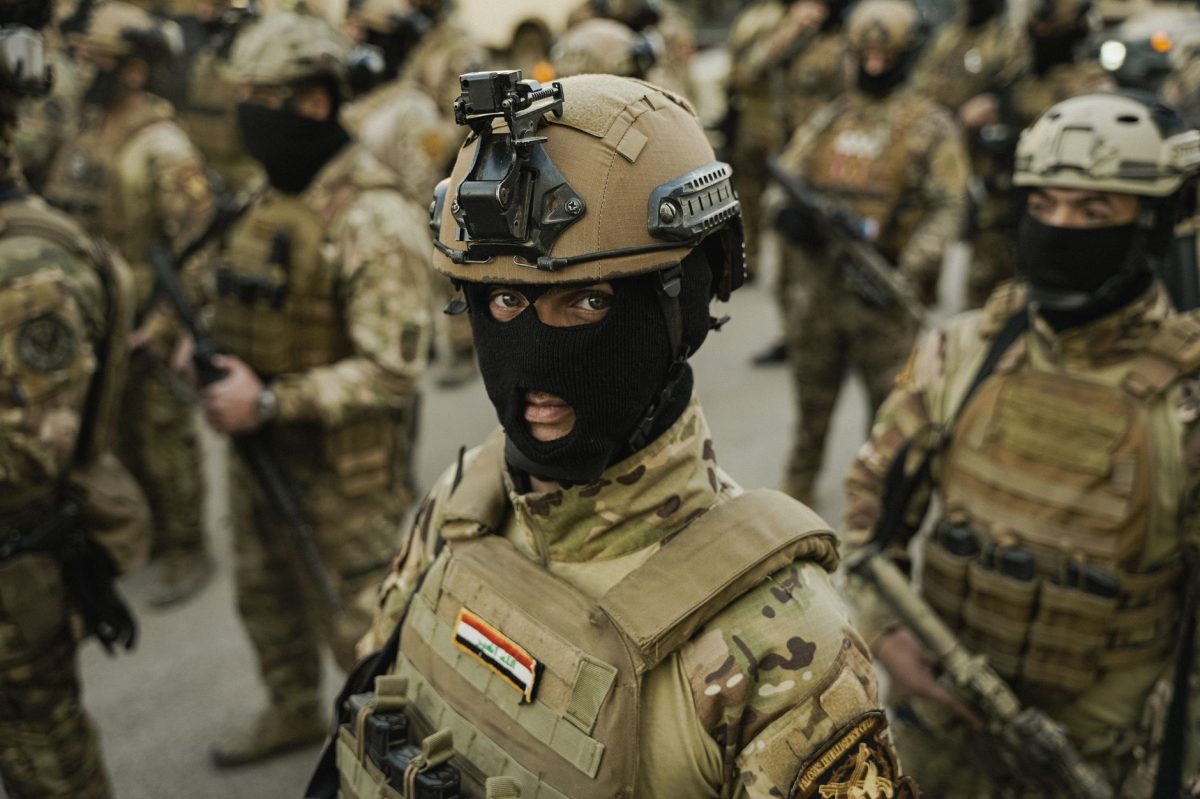
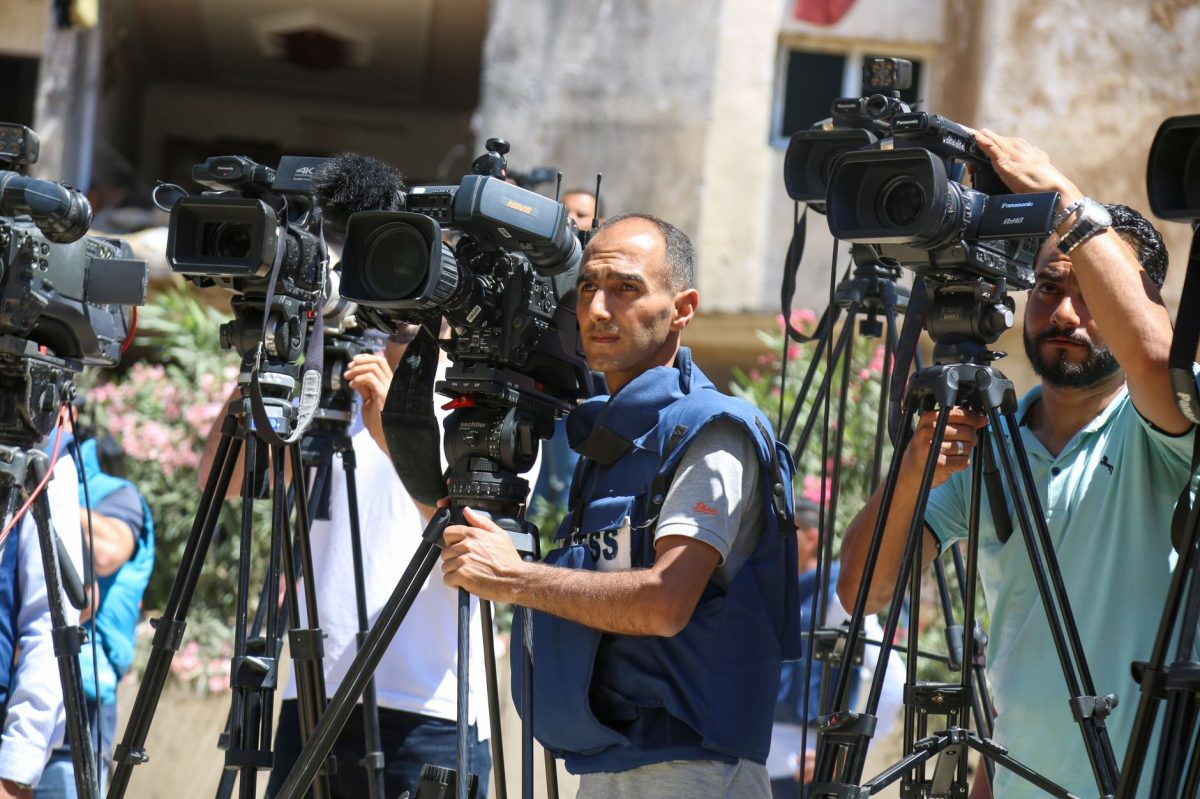
““The report makes clear that our forward‑deployed forces are operating with a degraded infrastructure and a shortfall in critical munitions,” said Lieutenant General James H. Dickinson, Army Chief of Staff, during a briefing to the Senate Armed Services Committee on April 16, 2024.”
What We Don't Know Yet
While the OIG provides a detailed inventory of physical damage, several key questions remain unanswered. The report does not disclose the exact number of missiles intercepted by U.S. Patriot batteries, leaving analysts to speculate on the effectiveness of current missile defense postures. Additionally, the long‑term health impacts on the two injured contractors at the Baghdad embassy have not been fully assessed; no medical follow‑up reports have been released. The OIG also omitted a cost estimate for replacing the short‑falled JAGM missiles, a figure that could influence future procurement decisions. Finally, there is no clear timeline for when the Department of Defense will submit a congressional request for additional funding to rebuild the damaged facilities, creating uncertainty for the communities that rely on the bases for employment and local commerce.
Key Takeaways
- The OIG report confirms missile‑induced damage at Al Asad, Al‑Mansour and the Baghdad U.S. Embassy, with repairs projected to take up to 18 months.
- A 30% shortage of Joint Air‑to‑Ground Missiles limited U.S. strike capabilities during the April 12 attacks.
- Damage to communications and hangar infrastructure forces mission rerouting, increasing operational costs and risk to personnel.
- Congressional funding for repairs and munitions restocks is pending, creating budgetary uncertainty for the defense establishment.
What to Watch: Near‑Term Developments
In the next 24 to 72 hours, three developments will likely dominate the news cycle. First, the Pentagon is expected to issue a supplemental budget request to the House Appropriations Committee, outlining the funding needed for repairs at Al Asad and Al‑Mansour. Watch for statements from Defense Secretary Lloyd J. Austin III on April 18, when the request is formally submitted. Second, the State Department will hold a security review of all U.S. diplomatic facilities in Iraq, with a decision on whether to temporarily relocate staff from the Baghdad embassy slated for April 20. Third, the Department of Defense’s Joint Chiefs of Staff are scheduled to convene a rapid‑response meeting on April 19 to reassess missile‑defense allocations in the region, potentially authorizing the deployment of additional THAAD batteries to Kuwait. Observers should monitor official press releases and congressional hearing transcripts for concrete numbers and timelines.
Satellite imagery showed the Al‑Mansour runway crater measured 12 meters in diameter, according to the National Geospatial‑Intelligence Agency.
The inspector general’s findings lay bare the tangible costs of the Iran‑Israel conflict on U.S. assets abroad. While the damage is repairable, the shortfalls in advanced weapons and the need for additional funding highlight a fragile balance between strategic ambition and logistical reality. For the service members stationed at these bases and the diplomatic staff protecting American interests, the report underscores a renewed urgency to address infrastructure resilience and supply‑chain gaps. As policymakers debate the next steps, the human element—families, local workers, and the injured contractors—remains at the heart of the story.