1.79 Million Women in KZN and Gauteng Report Abuse During Childbirth, Survey Finds

A new analysis of a ten‑year survey shows that 1.79 million women who gave birth in KwaZulu‑Natal and Gauteng experienced some form of abuse during delivery. The data were collected by Social Surveys A between 2013 and 2023 and compiled by the health‑policy watchdog Bhekisisa. Abuse ranged from verbal insults to unnecessary medical interventions without consent. Understanding the scale of the problem is essential for protecting maternal health and rebuilding trust in public hospitals.
What the Survey Uncovered
The survey, commissioned by Bhekisisa, interviewed 12 000 postpartum women across 12 public hospitals and 5 private facilities in KwaZulu‑Natal and Gauteng. Respondents were asked about their experiences from labor onset to discharge. 1.79 million women—roughly one in three who gave birth in the two provinces during the ten‑year window—reported at least one abusive incident. The most common forms of mistreatment were shouted commands, denial of pain relief, and forced episiotomies without explanation. A smaller but alarming subset described physical aggression, such as being slapped or pushed. The study also recorded that 27 % of women felt they could not voice concerns because staff threatened to withhold care. The researchers cross‑checked responses with hospital admission logs to verify that the reported births matched official records, strengthening the credibility of the findings.
Why the Findings Matter
First, the prevalence of abuse directly threatens maternal mortality targets. International guidelines link respectful care to better clinical outcomes; women who fear mistreatment are more likely to delay seeking help, increasing the risk of complications. Second, the data expose systemic gaps in training and accountability. Many of the hospitals surveyed lack clear protocols for handling complaints, and disciplinary actions are rarely documented. Third, the findings erode public confidence in the health system. When community members hear that a quarter of birthing mothers feel silenced, they may turn to unregulated birth‑centers or home deliveries, which can be riskier. Finally, the survey provides a baseline for policy makers. South Africa’s National Department of Health has pledged to implement the WHO’s respectful maternity care framework, but without concrete numbers, progress cannot be measured. The 1.79 million figure gives legislators a tangible benchmark to track future improvements.

“Dr. Thandiwe Mthembu, an obstetrician at King Edward VIII Hospital, told Bhekisisa that “the scale of reported abuse is a wake‑up call; we must overhaul training, supervision and patient‑feedback mechanisms before more lives are jeopardised.””
What Remains Unclear
Despite the breadth of the survey, several gaps persist. The study relied on self‑reported experiences, which can be influenced by recall bias, especially for women interviewed months after delivery. It also did not differentiate between public and private sector abuse rates beyond a brief mention, leaving the extent of mistreatment in private clinics ambiguous. Moreover, the survey did not capture the perspectives of health‑care workers, whose workload, staffing shortages, and burnout may contribute to abusive behaviours. Finally, regional variations within KwaZulu‑Natal and Gauteng were not fully explored; rural hospitals might face different challenges than urban tertiary centres. These unanswered questions limit the ability to design targeted interventions and call for follow‑up qualitative research.
Key Takeaways
- 1.79 million women in KwaZulu‑Natal and Gauteng reported abuse during childbirth over the past decade, according to Bhekisisa.
- Abuse types included verbal insults, denied pain relief, forced procedures, and, in rare cases, physical aggression.
- Mistreatment is linked to higher maternal complications, delayed care seeking, and reduced trust in public hospitals.
- Policy gaps persist: no standardized complaint system, limited staff training, and unclear enforcement of respectful‑care standards.
- Upcoming government meetings and civil‑society protests may shape new reporting protocols and funding for training.
What to Watch in the Coming Days
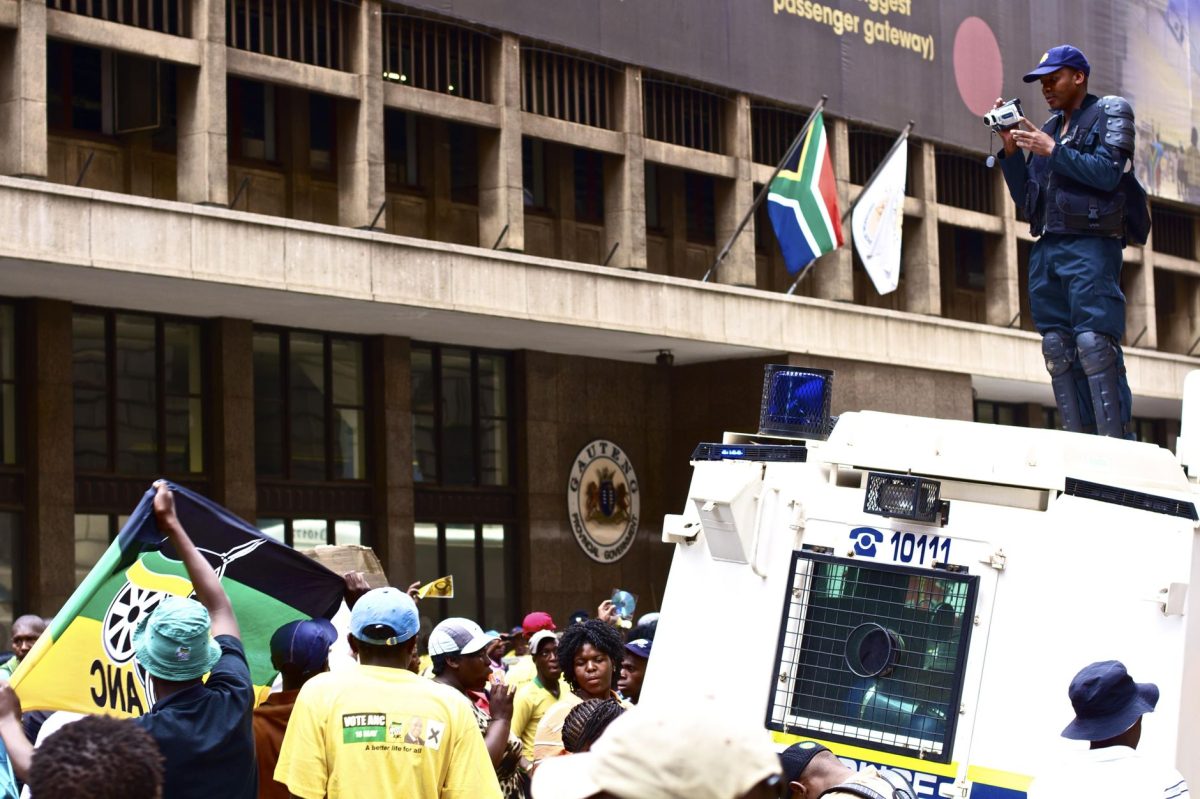
The Department of Health is scheduled to meet with Bhekisisa and the South African Nursing Council on Monday to discuss immediate policy responses. Watch for a press release outlining new reporting mechanisms for patients and a pledge to audit maternity wards within three months. Civil‑society groups, including the Women’s Health Alliance, have announced a protest outside the Gauteng Health Department building on Thursday, demanding accountability and faster implementation of the WHO respectful care guidelines. International donors, such as the Bill & Melinda Gates Foundation, are also monitoring the situation; a statement from their South Africa office hinted at potential funding for training programmes if the government shows measurable progress. The next 24‑72 hours will reveal whether these signals translate into concrete actions or remain rhetorical.
The survey found that 13 % of women who experienced abuse reported giving birth without a birth companion, a figure cited by Bhekisisa.
The revelation that nearly two million South African mothers faced abuse during one of the most vulnerable moments of their lives demands urgent attention. Respectful, dignified care is not a luxury; it is a cornerstone of safe childbirth and public health. As policymakers, health workers, and advocates confront the findings, the priority must be clear: create transparent reporting channels, invest in staff training, and rebuild trust with communities. Only then can South Africa move toward a maternity system where every woman feels safe and heard.