Inside the EU Qualifications Hub Story The Media Buried

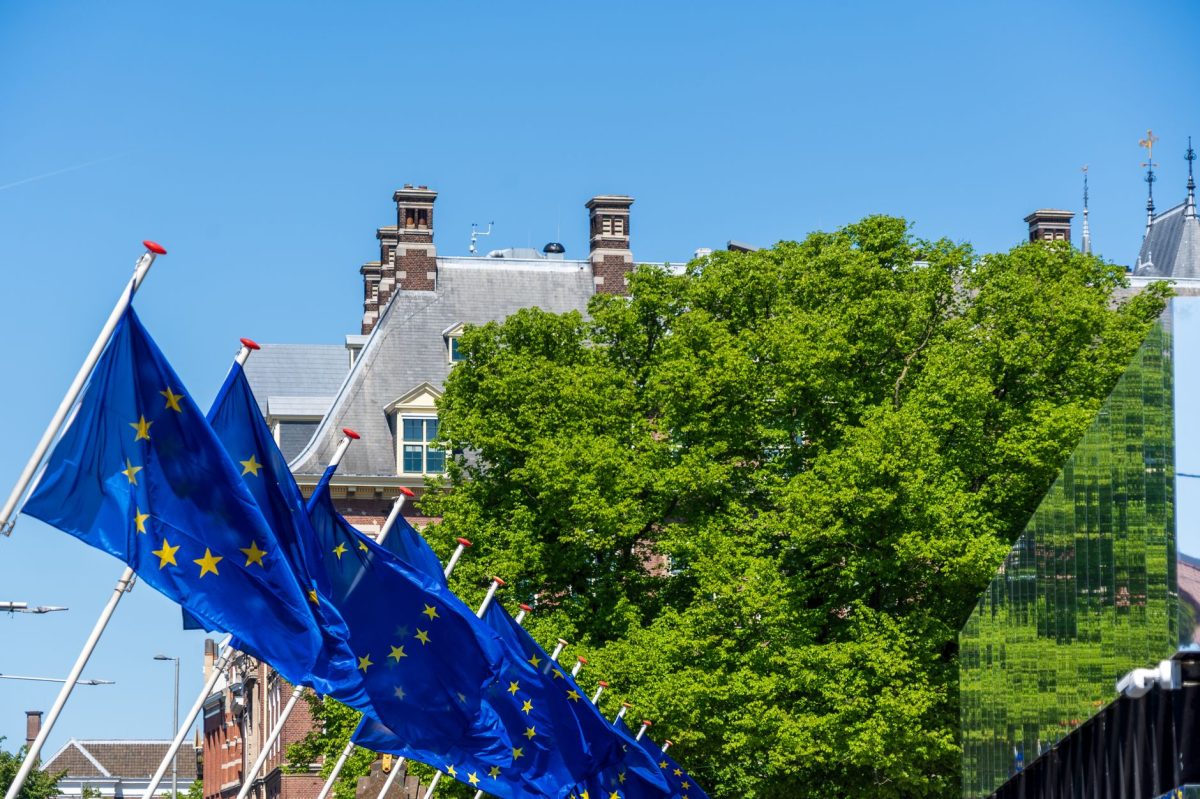
On 12 September 2026 the European Commission unveiled the EU Qualifications Hub, a new online portal aimed at simplifying the recognition of social security benefits and professional qualifications across member states. The platform will initially cover 35 regulated professions in 12 EU countries. By cutting red tape, the Commission says the system could save up to €10 billion by 2035. This move could reshape cross‑border labour mobility for millions of Europeans.
What Happened: Launch of the EU Qualifications Hub
The European Commission announced the launch of the EU Qualifications Hub during a press conference in Brussels on 12 September 2026. The initiative, coordinated by the Directorate‑General for Employment, Social Affairs and Inclusion (DG EMPL), is a web‑based gateway that allows workers, employers and social security agencies to verify and transfer professional credentials and benefit entitlements instantly. The pilot phase will include 35 regulated professions, such as nurses, engineers and teachers, and will be available in 12 member states, starting with Germany, France, Italy, Spain, Poland, the Netherlands, Sweden, Belgium, Austria, Portugal, Greece and the Czech Republic. The platform draws on existing databases like the European Skills, Competences, Qualifications and Occupations (ESCO) framework and the EURES job mobility network. According to a European Commission press release, the system will be powered by a secure, interoperable architecture that respects GDPR and national data‑protection rules. A small but concrete detail: the portal will issue a digital “Recognition Certificate” that can be downloaded in PDF format within 48 hours of a successful verification.
Why It Matters: Real Impacts on Workers and Employers
First, the platform tackles a long‑standing barrier to intra‑EU labour mobility. Workers who move from, say, Poland to Germany often face months of paperwork to prove their nursing qualifications. With the Hub, that process could be reduced to days, enabling quicker entry into the workforce and reducing skill shortages in critical sectors like healthcare and engineering. Second, employers benefit from a reliable, single source of truth for credential verification, cutting recruitment costs and legal risk. A study by the European Trade Union Confederation (ETUC) found that firms spend an average of €2,300 per hire on verification; the Hub could slash that figure by half. Third, social security systems stand to gain efficiency. Currently, cross‑border benefit claims can be delayed by bureaucratic mismatches, leading to unpaid benefits for up to 15 % of eligible claimants, according to the European Social Policy Network. The digital link will allow authorities to confirm entitlement status instantly, reducing unpaid periods and potential fraud. Finally, the projected €10 billion savings stem from reduced administrative overhead, faster placement of workers, and lower fraud losses, according to the Commission’s own impact assessment.


“Vera Jourova, EU Commissioner for Jobs and Social Rights, said at the Brussels launch: "The Qualifications Hub turns the EU’s promise of free movement into a practical reality for everyday workers and employers, cutting red tape and protecting rights across borders."”
What We Don't Know Yet
The rollout still faces several unanswered questions. First, the platform’s interoperability with national registries varies; some member states have modern digital records, while others still rely on paper files. How quickly those gaps will be closed remains unclear. Second, the EU has not disclosed the exact funding model for the Hub’s long‑term maintenance, raising concerns about sustainability once the initial €150 million budget expires in 2028. Third, privacy advocates are watching how the system will handle sensitive personal data, especially given differing national interpretations of GDPR. Finally, the impact on non‑EU migrants and third‑country nationals is not addressed; it is uncertain whether the Hub will extend to them or remain limited to EU citizens. These gaps mean the promised savings could be lower if technical or legal hurdles delay full adoption.
Key Takeaways
- The EU Qualifications Hub launches on 12 Sept 2026, targeting 35 professions in 12 member states.
- Commission estimates up to €10 billion in savings by 2035 through faster credential verification.
- Workers could see recognition times cut from months to days, easing cross‑border employment.
- Employers may halve verification costs, while social security agencies gain instant benefit checks.
- Uncertainties remain around data integration, funding beyond 2028, and privacy safeguards.
What to Watch in the Next 24‑72 Hours
In the coming days, the European Commission will publish detailed technical specifications for the Hub, which will reveal how existing national databases will be linked. Watch for statements from the ministries of labour in Germany and France, as they are among the first twelve states to pilot the system. A parliamentary debate in the European Parliament’s Committee on Employment and Social Affairs is scheduled for 14 September, where legislators may push for stricter data‑protection safeguards. Additionally, trade unions are expected to release a joint position paper on 15 September, potentially influencing how the platform will be rolled out to sectors with high union density. Monitoring these developments will indicate whether the Hub will meet its ambitious timeline or encounter political resistance.
The EU already operates the EURES network, which helped 1.2 million job seekers in 2023, and the new Hub builds on that infrastructure (European Commission, 2024).
The EU Qualifications Hub represents a concrete step toward a more fluid European labour market, promising faster recognition of skills and benefits for millions. If technical and legal hurdles are overcome, the platform could deliver real savings and reduce bureaucratic frustration for workers and employers alike. However, the coming weeks will test the EU’s ability to harmonise disparate national systems while safeguarding personal data. The outcome will shape how the single market functions for the next generation of European professionals.