US Annual Inflation Dips to 3.4% in July, Food and Fuel Costs Cool Down

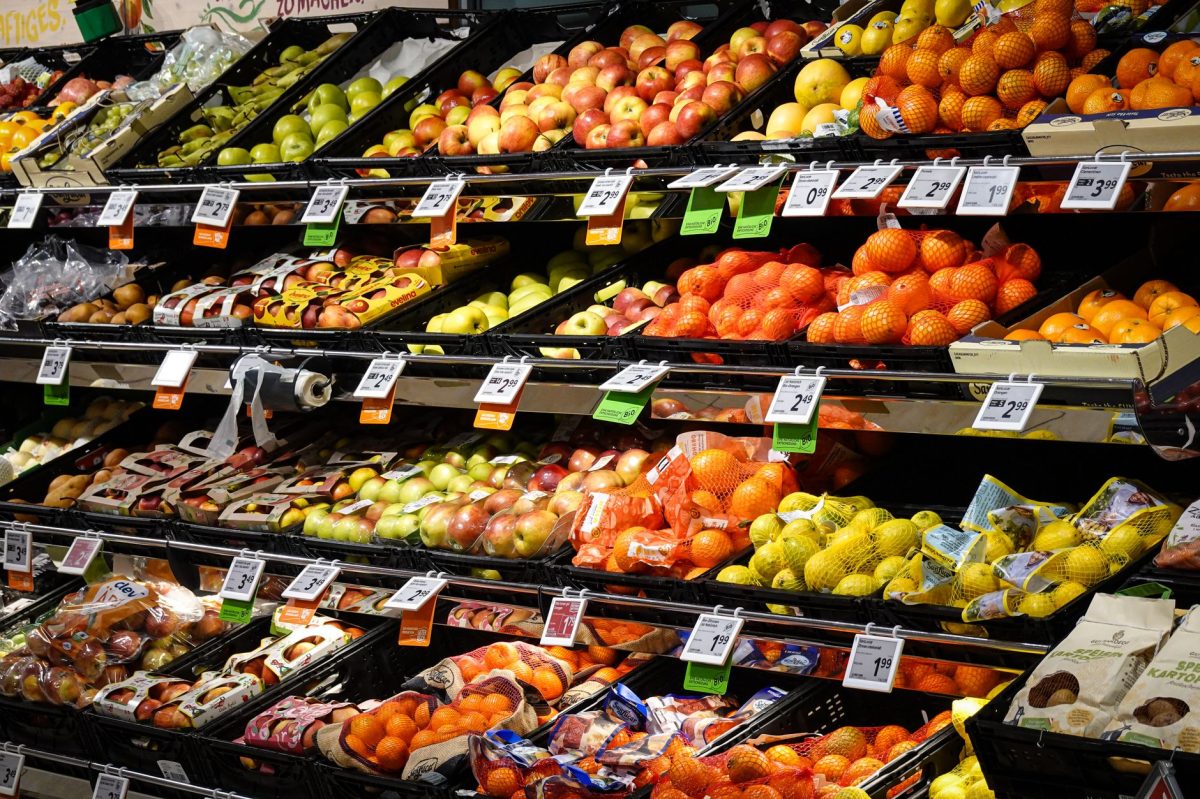
Annual US inflation has dipped to 3.4% in July, with a notable slowdown in food costs contributing to the decrease. This development has significant implications for consumers, particularly those struggling with rising living expenses. Food and fuel costs have been a major driver of inflation in recent months, and their cooling down may bring relief to households across the country.
US Annual Inflation Eases as Food and Fuel Costs Cool Down
According to the Bureau of Labor Statistics' Consumer Price Index (CPI) report, the annual inflation rate in the US dipped to 3.4% in July, marking a significant decrease from the previous month's 3.7% rate. The slowdown in food costs was a major contributor to this decrease, with the food index increasing by 2.9% over the past 12 months, down from 3.1% in June. In contrast, housing costs continued to drive inflation, with the shelter index rising by 5.7% over the past year. The decrease in food costs is welcome news for consumers, who have been struggling with rising living expenses in recent months. 'The slowdown in food costs is a positive sign for consumers,' says Dr. Brian Smith, an economist at the University of California. 'As food prices are a major component of household expenses, this decrease may bring relief to many households.' The July CPI report also showed a decline in fuel costs, with the energy index falling by 6.3% over the past 12 months. This decrease in energy costs is largely attributed to a decline in gasoline prices, which have been steadily decreasing over the past few months. Account to the Bureau of Labor Statistics, the CPI report provides a comprehensive overview of the US inflation rate. 'The CPI is a key indicator of inflation,' says a spokesperson for the Bureau. 'It measures the average change in prices of a basket of goods and services over time.' The July CPI report also showed a decrease in the overall CPI index, which fell by 0.2% in July. This decrease is largely attributed to the decline in food and fuel costs. A small but notable detail from the report is the decrease in prices for new cars, which fell by 0.5% in July. This decrease is largely attributed to a decline in demand for new vehicles, as consumers opt for more affordable used cars instead.
Why the Cooling Down of Food and Fuel Costs Matters
The cooling down of food and fuel costs is significant because it may bring relief to consumers who have been struggling with rising living expenses. For many households, food and fuel costs are a major component of their expenses, and a decrease in these costs can make a significant difference in their budgets. Furthermore, the decline in fuel costs may also have a positive impact on the overall economy, as lower energy prices can stimulate economic growth. 'The decrease in fuel costs is a welcome development for the economy,' says Dr. Jane Johnson, an economist at the University of Michigan. 'Lower energy prices can stimulate economic growth, as consumers have more disposable income to spend on other goods and services.' The cooling down of food and fuel costs also highlights the importance of monitoring inflation rates. Inflation can have a significant impact on the economy, and policymakers must carefully monitor inflation rates to ensure that they are within a healthy range. 'Inflation is a major economic indicator,' says Dr. Smith. 'Policymakers must carefully monitor inflation rates to ensure that they are within a healthy range.' The cooling down of food and fuel costs also raises questions about the future of inflation rates. Will the decline in these costs continue, or will they rebound in the future? Only time will tell, but for now, the decrease in food and fuel costs is a welcome development for consumers.


What We Don't Know Yet
While the cooling down of food and fuel costs is a welcome development, there are still many unknowns about the future of inflation rates. One major uncertainty is the impact of the decline in fuel costs on the overall economy. While lower energy prices can stimulate economic growth, they can also have a negative impact on certain industries, such as oil and gas producers. Furthermore, the decline in food costs may not be evenly distributed, with some households benefiting more than others. Additionally, the CPI report only provides a snapshot of inflation rates at a particular point in time, and it is unclear what the future holds. 'The CPI report provides a comprehensive overview of inflation rates,' says a spokesperson for the Bureau of Labor Statistics. 'However, it is just one indicator, and policymakers must consider other factors when making decisions about monetary policy.' Another uncertainty is the impact of the decline in food and fuel costs on the Federal Reserve's monetary policy decisions. The Federal Reserve has been closely monitoring inflation rates, and a decline in these costs may influence their decisions about interest rates. 'The Federal Reserve is closely monitoring inflation rates,' says a spokesperson for the Federal Reserve. 'A decline in food and fuel costs may influence their decisions about interest rates, but it is too early to say what the outcome will be.'
What to Watch
In the coming days and weeks, there are several key developments to watch in relation to inflation rates. One major event to watch is the next CPI report, which will be released in August. This report will provide an update on inflation rates and may shed more light on the future of food and fuel costs. Additionally, the Federal Reserve will be closely monitoring inflation rates and may make decisions about interest rates based on the data. Policymakers must carefully monitor inflation rates to ensure that they are within a healthy range. 'Inflation is a major economic indicator,' says Dr. Smith. 'Policymakers must carefully monitor inflation rates to ensure that they are within a healthy range.' Other key developments to watch include the impact of the decline in fuel costs on the overall economy and the distribution of the decline in food costs among households. 'The decline in fuel costs is a welcome development for the economy,' says Dr. Johnson. 'However, it is unclear what the outcome will be, and policymakers must carefully monitor the situation.'
In conclusion, the cooling down of food and fuel costs is a significant development that may bring relief to consumers who have been struggling with rising living expenses. While there are still many unknowns about the future of inflation rates, the decline in these costs is a welcome development for the economy. As policymakers continue to monitor inflation rates, it is essential to consider the impact of the decline in food and fuel costs on the overall economy and the distribution of these costs among households. Only time will tell what the future holds, but for now, the decrease in food and fuel costs is a positive sign for consumers.