Developing: Iran Warns Against 'Flames of War' Amid US Strike Threats on Energy Sites

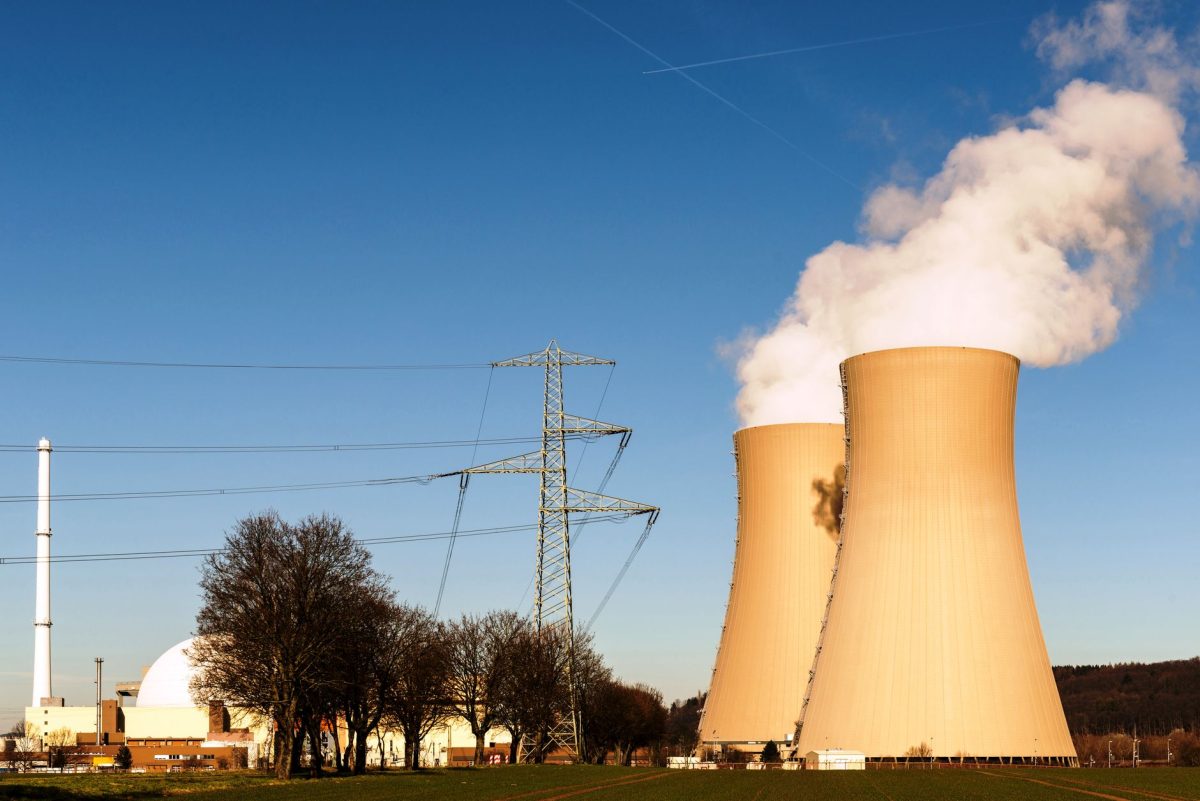
Iran has warned against the 'flames of war' after US media outlets suggested potential imminent attacks against civilian energy sites. This development has significant implications for regional stability and global oil prices. The US has a history of targeting Iran's energy infrastructure in past conflicts. This has led to concerns about the potential for widespread damage and disruption to global energy supplies.
Iran Prepares for Potential US Strikes on Energy Sites
Iran's state-run news agency, IRNA, cited a senior military official saying that the country has a 'ready plan' to retaliate against any US attacks on its energy infrastructure. According to the official, Iran has been preparing for potential strikes since last week, when US media outlets first reported on the possibility of imminent attacks. The official stated that Iran has 'identified the targets' and is 'prepared to defend itself', according to IRNA. This comes after a report by The Wall Street Journal suggested that the US is planning to target Iran's energy infrastructure in response to recent attacks on oil tankers in the Gulf of Oman. The report claimed that the US has identified several potential targets, including a major oil refinery in the city of Abadan. The refinery, which is operated by National Iranian Oil Company, is a critical component of Iran's energy infrastructure. According to the report, the US has been working with allies in the region to gather intelligence on potential targets and to develop a plan for a potential strike. The US has not publicly confirmed the report, but a spokesperson for the US Department of Defense stated that the US is 'committed to protecting its interests in the region' and 'will take all necessary measures to defend itself against any attacks'.
Why Iran's Energy Sites are a Key Target
Iran's energy infrastructure has been a key target for the US in past conflicts. The country's oil refineries and pipelines are critical components of its energy sector, and a strike on these sites could have significant implications for regional stability and global oil prices. Iran's oil exports are currently under US sanctions, which have had a significant impact on the country's economy. A strike on Iran's energy infrastructure could exacerbate these economic pressures, leading to further instability in the region. Additionally, a strike on Iran's energy sites could have significant implications for global oil prices, potentially leading to a surge in prices at the pump.

“Iran will not be intimidated by threats of military action,”
What We Don't Know Yet
Despite the reports of a potential US strike on Iran's energy sites, there are still many unknowns about the situation. The US has not publicly confirmed the report and it is unclear what specific sites may be targeted. Additionally, it is unclear what the consequences of a strike on Iran's energy infrastructure may be, both for the country and for the global economy. The situation is also complicated by the fact that Iran has a history of retaliating against perceived attacks on its interests. This has led to concerns about the potential for a wider conflict in the region.
Key Takeaways
- Iran has warned against the 'flames of war' after US media outlets suggested potential imminent attacks against civilian energy sites.
- The US has a history of targeting Iran's energy infrastructure in past conflicts.
- Iran has a 'ready plan' to retaliate against any US attacks on its energy infrastructure.
- The US has not publicly confirmed the report of a potential strike on Iran's energy sites.
- Global oil prices are likely to be influenced by the situation, potentially leading to a surge in prices at the pump.
What to Watch
In the coming days, there are several key things to watch in terms of the situation with Iran and the US. The US has stated that it will take all necessary measures to defend itself against any attacks, but it is unclear what specific actions may be taken. Additionally, it will be important to watch for any changes in the US's rhetoric towards Iran, as well as any statements from other countries in the region. The situation is also likely to be influenced by global oil prices, which have been volatile in recent months. The price of Brent crude oil has surged in recent days, and a strike on Iran's energy sites could exacerbate these price increases.
Despite being a major oil producer, Iran is also a significant investor in renewable energy, with plans to generate 10% of its electricity from renewable sources by 2025.
The situation with Iran and the US is a complex and volatile one, with significant implications for regional stability and global oil prices. As the situation continues to unfold, it is clear that the potential for a wider conflict in the region is real and should be taken seriously by all parties involved. The US has a history of targeting Iran's energy infrastructure in past conflicts, and Iran has a 'ready plan' to retaliate against any US attacks. The outcome of any potential strikes on Iran's energy sites is impossible to predict, but one thing is clear: the stakes are high and the potential consequences are significant.