Nigerian Aso-Oke Artisans Face Struggles Behind Fashion Industry's Rise

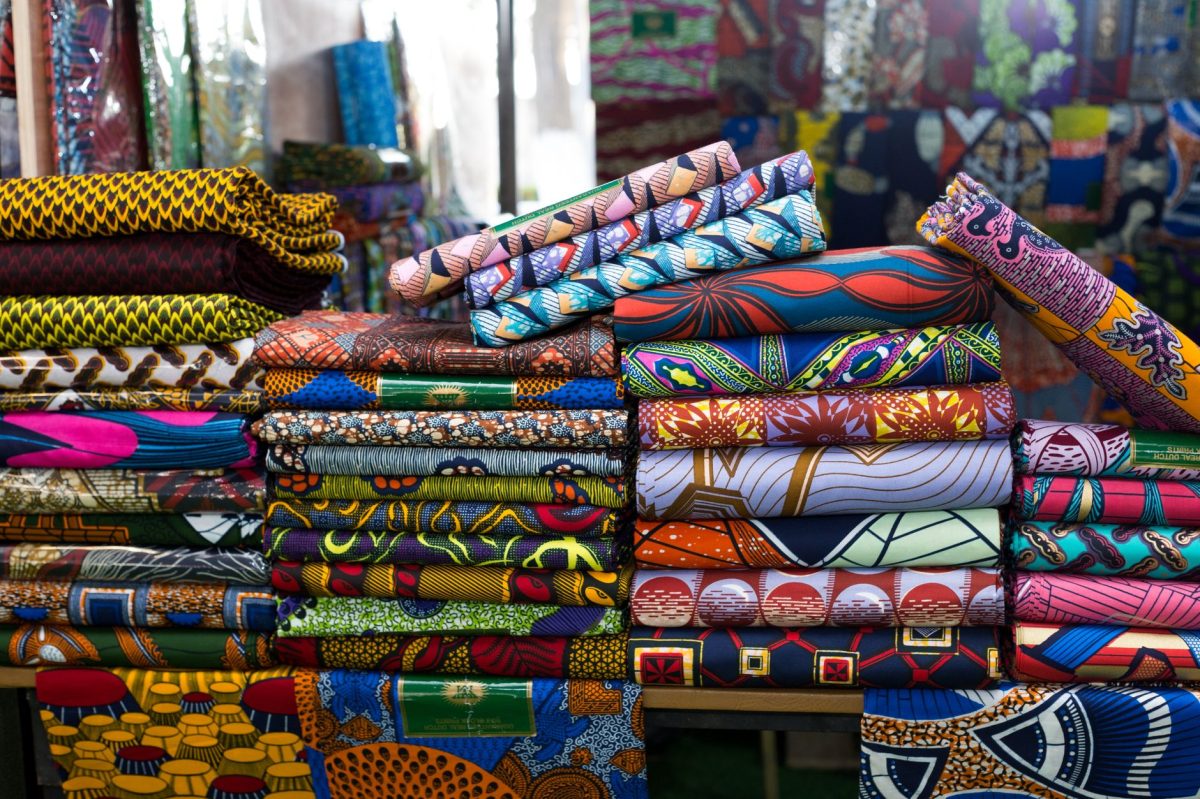
Aso-Oke, Nigeria's iconic handwoven fabric, has been making waves in the fashion world, gracing international runways and luxury collections. However, beneath the glamour lies a quieter story – the struggles of the women who have cultivated this craft for generations. Their preservation of Aso-Oke's cultural significance has become a pressing concern in Osun State, Nigeria.
The Rise of Aso-Oke: From Local Artisans to Global Runways
According to an interview with Osun State-based textile expert, Dr. Ayobami Adeyeye, Aso-Oke's global popularity can be attributed to its unique blend of traditional patterns and modern designs. 'Aso-Oke's versatility has allowed it to transcend cultures and borders,' Dr. Adeyeye explained. In 2022, the fabric made its debut on the runway for the Fendi fashion show in Paris, with over 100 Aso-Oke designers showcasing their work. The exposure catapulted Aso-Oke to international fame, with designers such as Dior and Gucci incorporating the fabric into their collections. However, the rapid growth of the industry has put a strain on local artisans, with many struggling to keep up with demand. As of 2023, the average Aso-Oke artisan in Osun State earns approximately ₦150,000 (approximately $300 USD) per month, a relatively low income considering the long hours and manual labor involved in weaving the fabric.
The Impact of Mass Production on Local Artisans
The increasing demand for Aso-Oke has led to mass production, with many factories in Osun State and other parts of Nigeria churning out the fabric at an alarming rate. This has resulted in a shortage of skilled artisans, with many local weavers struggling to compete with cheaper, machine-made alternatives. The impact is not just economic; it also threatens the cultural significance of Aso-Oke. As Dr. Adeyeye noted, 'The essence of Aso-Oke lies in its human touch – the imperfections and uniqueness that come from human hands. When we prioritize mass production, we risk losing the soul of this incredible craft.' The decline of local artisans also has broader implications for the Nigerian economy, with many women relying on Aso-Oke as their primary source of income. In 2022, a report by the Nigerian National Bureau of Statistics estimated that over 70% of women in Osun State engage in some form of textile production, with many others relying on the industry for their livelihoods.


“The essence of Aso-Oke lies in its human touch – the imperfections and uniqueness that come from human hands. When we prioritize mass production, we risk losing the soul of this incredible craft.”
What We Don't Know Yet
Despite the growing popularity of Aso-Oke, there are still many unanswered questions about the industry's impact on local artisans. For instance, what are the long-term effects of mass production on the cultural significance of Aso-Oke? How will the industry adapt to changing consumer demands and technological advancements? What support systems are in place to protect the rights and livelihoods of local artisans? As the industry continues to evolve, it is essential to prioritize the preservation of Aso-Oke's cultural heritage and the well-being of the women who have made it possible. However, the road ahead is uncertain, and the future of Aso-Oke remains shrouded in mystery. One thing is clear, though – the time to act is now.
Key Takeaways
- Aso-Oke's global popularity has catapulted the fabric to international fame, with designers such as Dior and Gucci incorporating it into their collections.
- The rapid growth of the industry has put a strain on local artisans, with many struggling to compete with cheaper, machine-made alternatives.
- The Nigerian government is expected to announce new initiatives aimed at supporting local artisans and preserving the cultural significance of Aso-Oke.
- Local artisans earn approximately ₦150,000 (approximately $300 USD) per month, a relatively low income considering the long hours and manual labor involved in weaving the fabric.
- Over 70% of women in Osun State engage in some form of textile production, with many others relying on the industry for their livelihoods.
What to Watch
In the next 24-72 hours, the Nigerian government is expected to announce new initiatives aimed at supporting local artisans and preserving the cultural significance of Aso-Oke. The initiatives, which include training programs and financial support, aim to address the challenges faced by local weavers and ensure the long-term sustainability of the industry. Additionally, several high-profile designers are set to showcase Aso-Oke in their upcoming collections, with some even planning to work directly with local artisans to create bespoke pieces. As the industry continues to evolve, it will be essential to monitor the impact of these initiatives and the responses of local artisans. Will the government's efforts be enough to stem the tide of mass production and preserve the cultural heritage of Aso-Oke, or will the industry continue down a path of rapid growth and exploitation?
Aso-Oke fabric is often used in traditional Nigerian weddings, where it is believed to bring good luck and prosperity to the couple.
The story of Aso-Oke is one of resilience and determination, with hundreds of women in Nigeria's Osun State fighting to preserve a centuries-old craft. As the industry continues to grow and evolve, it is essential to prioritize the cultural significance of Aso-Oke and the well-being of the women who have made it possible. By supporting local artisans and preserving the industry's cultural heritage, we can ensure the long-term sustainability of this incredible craft and the livelihoods of the women who depend on it.