India's Salt Workers Bear Brunt of Booming Industry

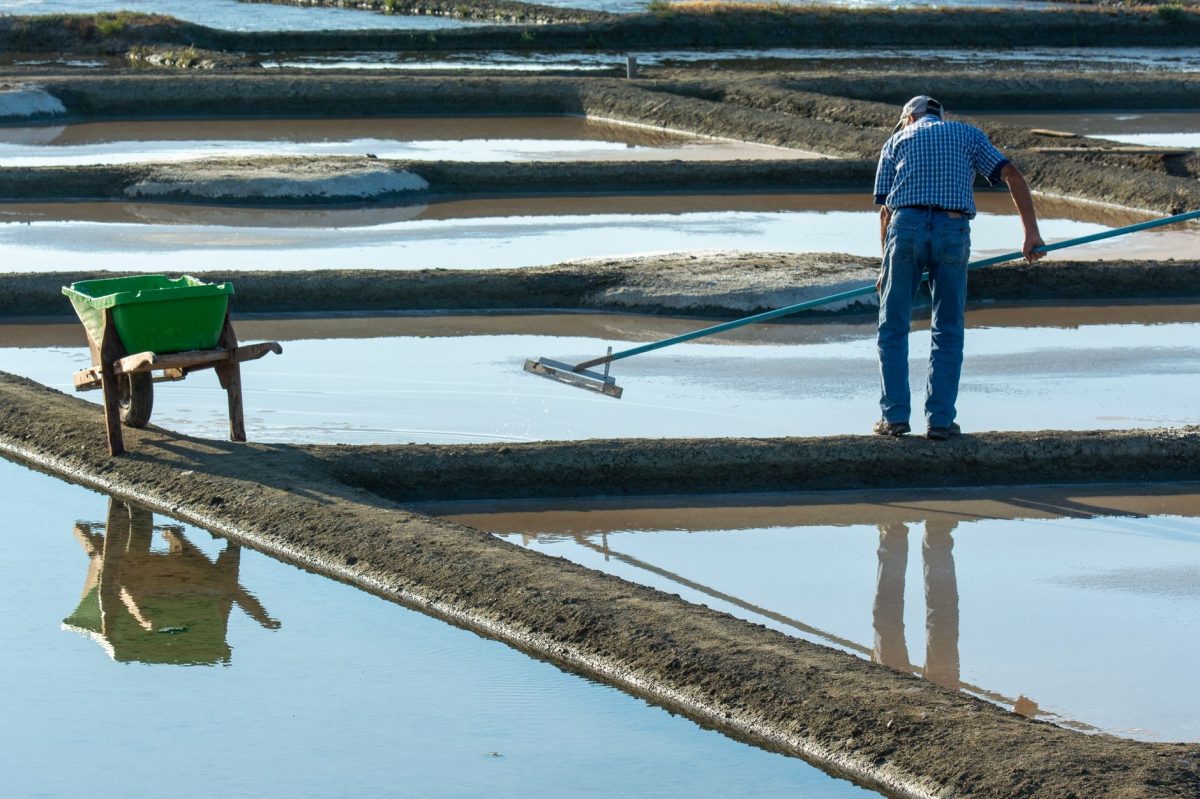
Salt is a staple seasoning in kitchens around the world, but the production process comes at a steep human cost. In India, thousands of salt workers toil in harsh conditions for meager wages, sparking concerns about labor rights and environmental sustainability. The industry's rapid expansion has led to the displacement of local communities and the destruction of natural habitats, highlighting the need for greater regulation and oversight. 101 East's investigation sheds light on the hidden consequences of our daily condiments.
Salt Workers in India Face Harsh Conditions
According to an account by a salt worker from the coastal town of Kutch, Gujarat, workers are often forced to labor for 12 hours a day, 7 days a week, without any breaks or time off. The worker, identified as Ramesh, told 101 East that he earns around 100 rupees ($1.35 USD) per day, barely enough to cover his basic expenses. 'We are not even paid minimum wage,' he said. 'The salt factories and traders take advantage of our desperation, and we are left with nothing but debt and illness.' The salt worker's testimony underscores the need for greater protections and benefits for the workers in the industry. Ramesh's account is corroborated by a report from the Indian National Trade Union Congress (INTUC), which notes that salt workers face inadequate housing, poor sanitation, and lack of access to healthcare.
Environmental Consequences of Salt Production
The rapid expansion of salt production in India has also taken a toll on the environment. The industry's reliance on evaporation ponds, which use massive amounts of water to extract salt, has led to the destruction of natural habitats and the displacement of local communities. A study by the Centre for Science and Environment (CSE) found that salt production in the Kutch region has resulted in the loss of over 1,000 hectares of mangrove forests, which are critical to maintaining the local ecosystem. The CSE report also notes that the industry's water usage has caused saltwater intrusion into freshwater aquifers, threatening the livelihoods of local farmers and fishermen. As the demand for salt continues to grow, it is essential that the industry adopts more sustainable practices and prioritizes environmental protection.


“**'The salt workers are the backbone of the industry, yet they are treated as nothing more than disposable labor,'** said Dr. S. K. Singh, a researcher at the Centre for the Study of Developing Societies. 'The industry's focus on profits over people and the environment is unsustainable and must change.' Dr. Singh's comments underscore the need for greater accountability and regulation in the salt industry.”
Gaps in Regulation and Oversight
Despite the concerns raised by 101 East's investigation, there are still significant gaps in regulation and oversight in the salt industry. The Indian government has yet to establish a comprehensive framework for regulating salt production, leaving workers and local communities vulnerable to exploitation. Additionally, the lack of transparency and accountability in the industry makes it difficult to track the flow of products and profits, allowing for potential human rights abuses and environmental degradation to go unchecked. It remains to be seen whether the government will take concrete steps to address these issues and ensure a more sustainable and equitable industry.
What to Watch
In the coming days and weeks, it will be essential to monitor the government's response to the findings of 101 East's investigation. Key players to watch include the Ministry of Labour and Employment, which has been tasked with addressing concerns around labor rights, and the Ministry of Environment, Forest and Climate Change, which has been criticized for its lack of action on environmental degradation. The Indian Salt Manufacturers Association (ISMA), which represents the interests of salt producers, will also be closely watched as it attempts to navigate the complex regulatory landscape. As the industry continues to evolve, it is essential that policymakers prioritize the well-being of workers and the environment.
India is the world's third-largest salt producer, but it also has the highest number of salt workers who are blinded by the harsh conditions of salt production, with many workers suffering from severe eye damage and blindness due to prolonged exposure to salt and sunlight.
The Indian salt industry is a complex web of interests, where the pursuit of profit often takes precedence over human rights and environmental sustainability. As consumers, we have a responsibility to demand more from the companies and governments that produce and regulate our food. By shedding light on the hidden consequences of our daily condiments, this investigation aims to spark a necessary conversation about the true cost of our consumption.