Liberia's National Civil Society Council Challenges Suspension of Human Rights Commission Chair, Cites Constitutional Violations

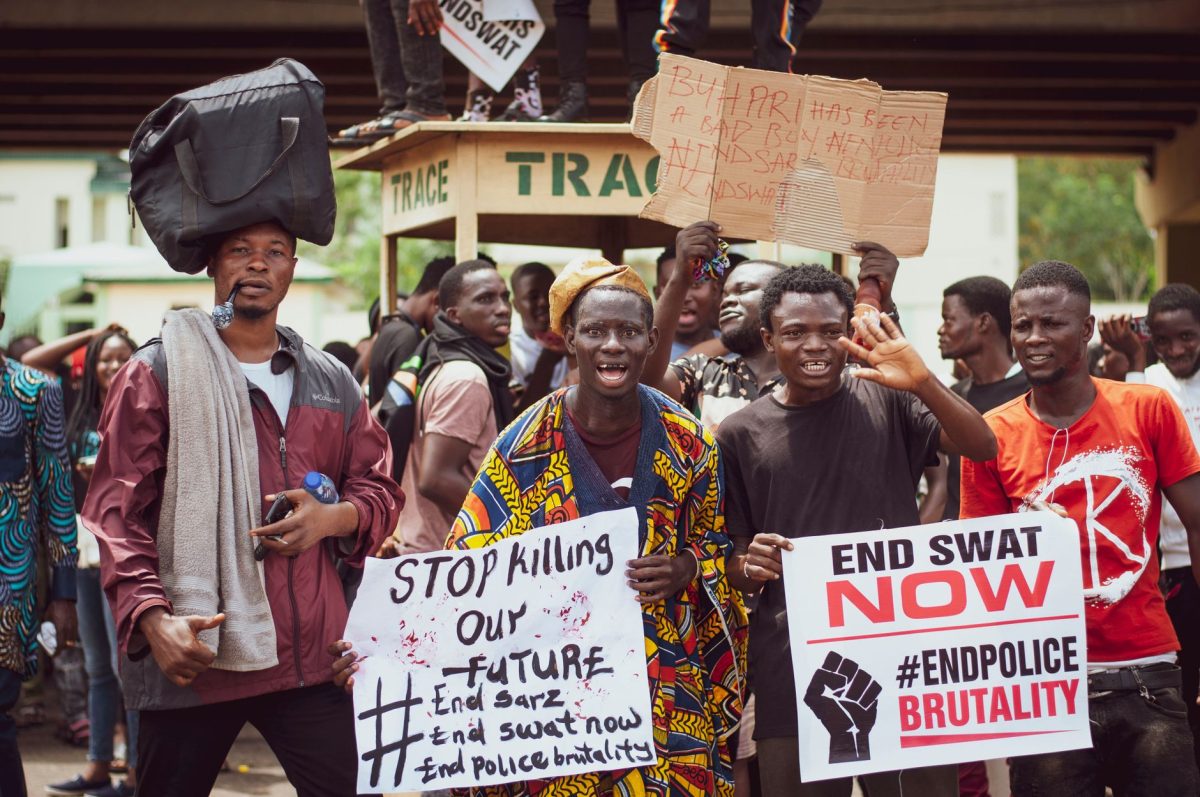
The suspension of the Human Rights Commission Chair has sparked concern among Liberian civil society, citing potential Constitutional violations. This move may undermine the country's human rights framework, affecting ordinary citizens' ability to seek justice. The National Civil Society Council of Liberia has taken a strong stance against the President's decision, emphasizing the importance of upholding the rule of law.
Suspension of Human Rights Commission Chair Sparks Controversy
According to sources, President Joseph Nyuma Boakai suspended the chair of the Human Rights Commission, as reported by FrontPageAfrica. The National Civil Society Council of Liberia, in a statement, condemned the decision, citing potential Constitutional violations. Account to FrontPageAfrica, the Council stated that the suspension was a 'gross infringement' on the independence of the Human Rights Commission. The Council pointed out that the Human Rights Commission is an independent entity, established by the Liberian Constitution, and that its chair cannot be removed without due process. A small concrete detail mentioned in the statement was the Council's assertion that the suspension was a 'clear attempt to undermine the rule of law' and 'silence the voice of the people'. The Council also expressed concern that the suspension would create a chilling effect on human rights defenders, who may fear reprisal for speaking out on human rights issues. The Council called on the President to reconsider his decision and uphold the Constitution. The Council's membership-based Human Rights Coalitions have pledged to continue their work, despite the suspension, and to support the chair in any future legal challenges.
Why the Suspension Matters
The suspension of the Human Rights Commission Chair has significant implications for ordinary Liberians. Firstly, it undermines the country's human rights framework, which is essential for protecting citizens' rights and holding those in power accountable. The Human Rights Commission plays a crucial role in promoting and protecting human rights in Liberia, and its chair is instrumental in ensuring that the commission functions independently and effectively. The suspension of the chair threatens to disrupt this critical work, leaving citizens vulnerable to human rights abuses. Secondly, the suspension sets a worrying precedent for future government actions. If the President can suspend the chair of the Human Rights Commission without due process, what is to stop him from taking similar actions against other institutions or individuals who speak out against his administration? This raises concerns about the rule of law and the separation of powers in Liberia. Thirdly, the suspension may create a culture of fear among human rights defenders, who may be deterred from speaking out on human rights issues for fear of reprisal. This would undermine the very fabric of Liberian society, which relies on the ability of citizens to speak out against injustice and demand accountability from those in power. The suspension of the Human Rights Commission Chair is a stark reminder of the challenges facing Liberia's human rights landscape and the need for continued vigilance and activism to protect human rights in the country.
“The suspension of the Human Rights Commission Chair is a clear attempt to undermine the rule of law and silence the voice of the people.”
What We Don't Know Yet
While the National Civil Society Council of Liberia has condemned the suspension, there are still many unanswered questions. Firstly, what are the grounds for the suspension, and does the President have the authority to suspend the chair without due process? Secondly, what is the current status of the chair, and is he or she still performing their duties? Thirdly, what are the implications of the suspension for the Human Rights Commission's work, and how will it affect the commission's ability to promote and protect human rights in Liberia? These questions remain unanswered, and it is essential to seek clarification on these matters to ensure that the rule of law is upheld and the rights of citizens are protected. Furthermore, there may be other factors at play that have not been publicly disclosed, and it is crucial to remain vigilant and continue to monitor the situation to ensure that the rights of citizens are not violated. In the absence of clear information, it is essential to rely on credible sources and to remain cautious in our interpretation of events.
What to Watch
In the coming days, there are several key developments to watch. Firstly, the President's response to the National Civil Society Council's statement and the criticism from civil society groups will be crucial. Will he reconsider his decision and uphold the Constitution, or will he continue to assert his authority without due process? Secondly, the chair's response to the suspension and the Human Rights Commission's work will also be critical. Will they continue to function despite the suspension, or will they be forced to cease operations? Thirdly, the reaction of the international community, including international human rights organizations and diplomatic missions, will be essential. Will they condemn the suspension and call for the President to uphold the Constitution, or will they remain silent? The next 24-72 hours will be critical in determining the course of events and the impact on human rights in Liberia.
Despite Liberia being the first African country to have a female president, Ellen Johnson Sirleaf, the country still struggles with a patriarchal society and significant gender-based human rights issues.