Tunisia's Crackdown: UN Experts, Civil Society Highlight Deepening Repression

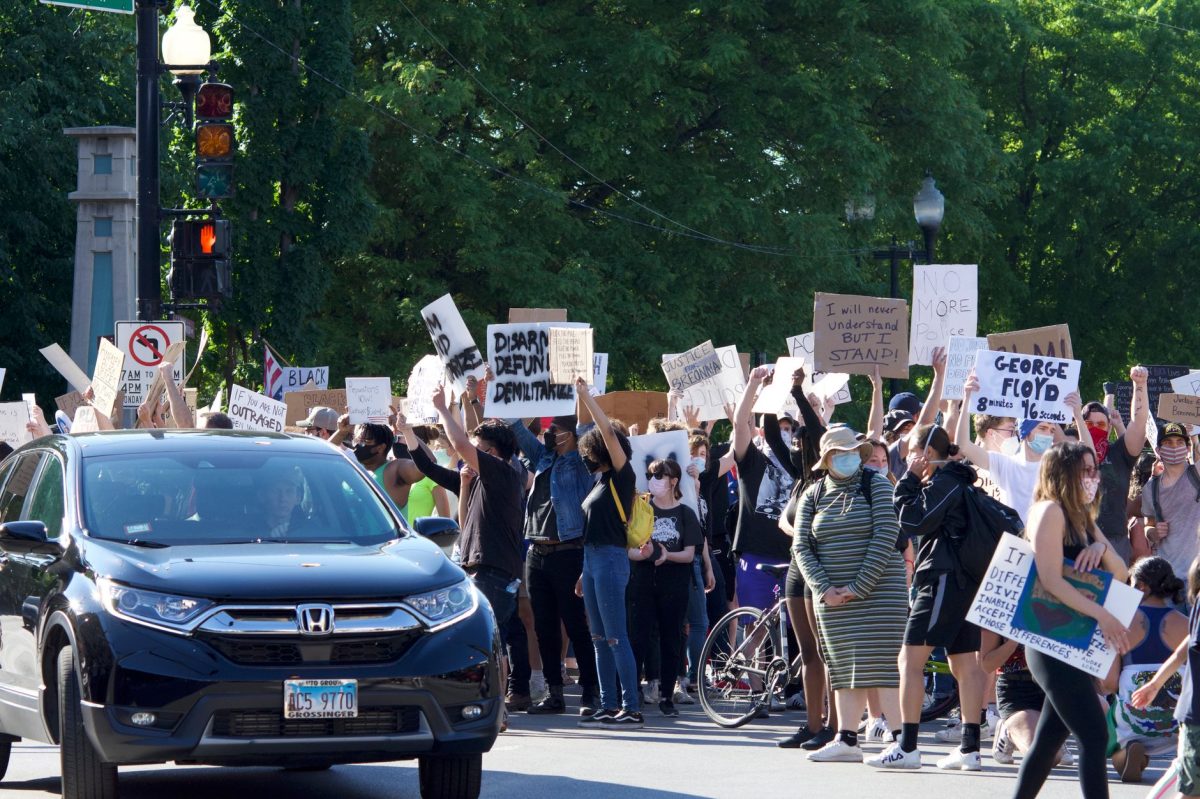
Tunisia has seen a significant increase in arrests and detentions of opposition activists and journalists, with over 150 people arrested in the past month alone. This surge in repression has sparked concerns about the erosion of democratic freedoms in the country. The situation has been condemned by UN experts and human rights groups, who warn that the deepening repression could have far-reaching consequences for Tunisia's fragile democracy.
Tunisia's Crackdown: UN Experts, Civil Society Highlight Deepening Repression
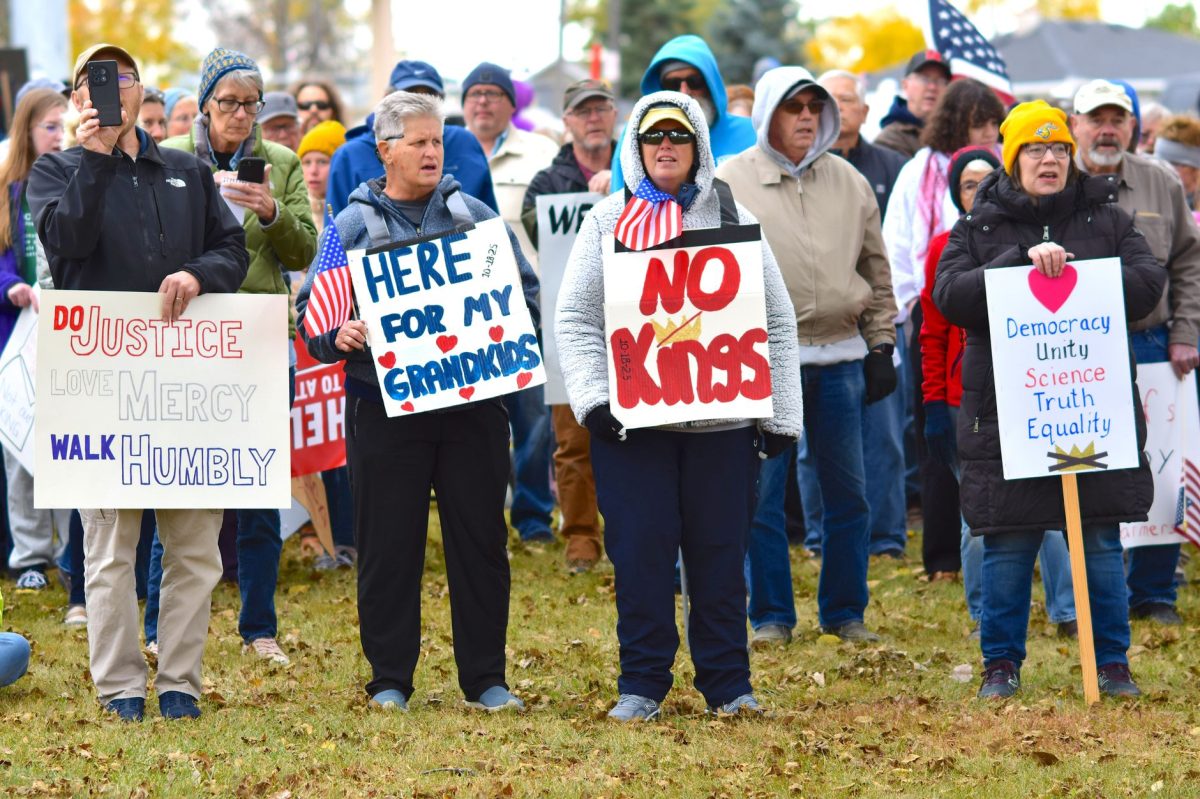
According to Human Rights Watch (HRW), Tunisia has seen a worrying trend of arrests and detentions of opposition activists and journalists in recent months. Over 150 people have been arrested in the past month alone, with many facing charges related to their peaceful expression of dissent. The crackdown has been condemned by UN experts, who have warned that the situation is deteriorating rapidly. Account to HRW, the Tunisian authorities have used excessive force to disperse peaceful protests, resulting in injuries and arrests. For example, on March 9, security forces fired tear gas and baton charges at protesters in the city of Sidi Bouzid, leaving several injured and arrested. The crackdown has also targeted journalists, with several media outlets reporting that their reporters have been detained and interrogated by security forces. According to the Tunisian Journalists Syndicate, at least 15 journalists have been detained in the past month, with many facing charges related to their reporting on sensitive topics.
Why Tunisia's Crackdown Matters
The deepening repression in Tunisia has significant implications for the country's fragile democracy. The erosion of democratic freedoms could lead to a wider crackdown on dissent, with potentially devastating consequences for the country's opposition and civil society. Tunisia's opposition has been weakened by the crackdown, with many activists and politicians forced to go into hiding or exile. This could lead to a power vacuum that is exploited by extremist groups, further destabilizing the country. The situation also raises concerns about the impact on Tunisia's economy, which is heavily reliant on foreign investment. If the country's democratic credentials are undermined, investors may be deterred from putting their money into the country, leading to economic stagnation and potential widespread poverty.
“The situation in Tunisia is extremely worrying, and we urge the authorities to respect the rights of all citizens to peaceful assembly and expression. The use of excessive force and arrests of opposition activists and journalists is a clear sign of a deepening crisis.”
What We Don't Know Yet
Despite the growing concerns about the situation in Tunisia, there are many questions that remain unanswered. The extent of the repression is still unclear, with many cases of arrests and detentions going unreported. The motivations behind the crackdown are also unclear, with some speculating that it is a response to the country's economic woes. The role of the international community in addressing the situation is also uncertain, with some calling for stronger action to pressure the Tunisian authorities to respect human rights. The impact of the crackdown on Tunisia's opposition and civil society is also uncertain, with many activists and politicians forced to go into hiding or exile. The situation is complex and multifaceted, and it will take time to fully understand the implications of the deepening repression in Tunisia.
Key Takeaways
- Tunisia has seen a significant increase in arrests and detentions of opposition activists and journalists in recent months.
- The crackdown has been condemned by UN experts and human rights groups, who warn that the situation is deteriorating rapidly.
- The deepening repression in Tunisia has significant implications for the country's fragile democracy.
- The situation in Tunisia is complex and multifaceted, and it will take time to fully understand the implications of the deepening repression.
- The international community will be watching closely, with many calling for stronger action to pressure the Tunisian authorities to respect human rights.
What to Watch
The situation in Tunisia is likely to remain volatile in the coming days and weeks. Key people to watch include the Tunisian President, who has been accused of orchestrating the crackdown, and the head of the Tunisian security forces, who has been praised for his handling of the situation. The international community will also be watching closely, with many calling for stronger action to pressure the Tunisian authorities to respect human rights. The impact of the crackdown on Tunisia's opposition and civil society will also be a key factor to watch, as many activists and politicians are forced to go into hiding or exile. The situation is unpredictable and could escalate rapidly, making it essential to stay informed and up-to-date on the latest developments.
Despite the crackdown, Tunisia has a long history of promoting women's rights and equality, with women making up over 30% of the parliament, one of the highest percentages in the Arab world.
The deepening repression in Tunisia is a worrying sign of a broader crisis in the country's democratic system. While the situation is complex and multifaceted, it is essential that the international community takes a strong stance in support of human rights and democratic freedoms. The implications of the crackdown are far-reaching and could have devastating consequences for Tunisia's opposition and civil society. It is essential that we stay informed and up-to-date on the latest developments in Tunisia, and that we hold the authorities accountable for their actions.