Libya Bans Entry of Nationals From Four African Countries Amid Migration Crackdown

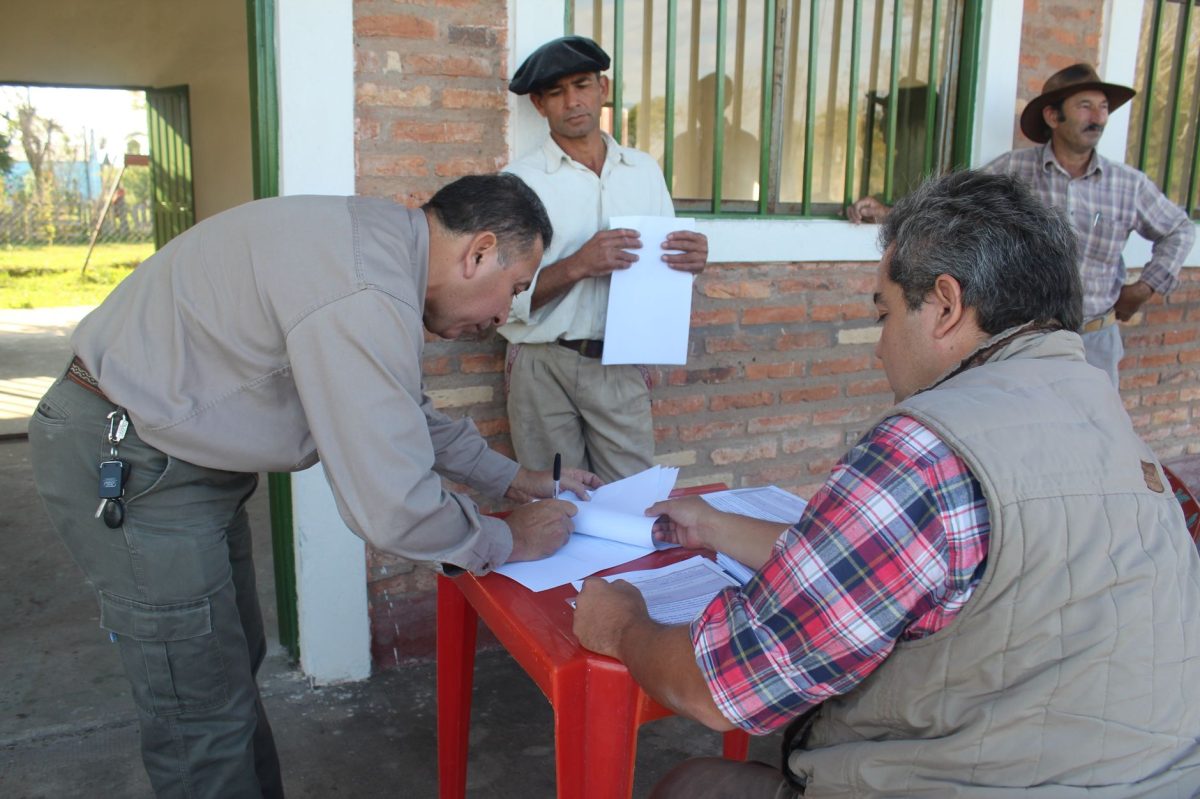
A recent ban on nationals from Sudan, Eritrea, Ethiopia, and Somalia by authorities in eastern Libya aims to curb migration. The move is part of a broader effort to reorganize Libya's migration policies.
East Libya Bans Entry of Nationals From Four African Countries
Benghazi, Libya, June 24, 2026 - Authorities in eastern Libya have implemented a ban on the entry of nationals from Sudan, Eritrea, Ethiopia, and Somalia, according to [Shabelle]. The decision was made in an effort to combat rising migration levels in the region. Over 80% of migrants in Libya originate from these four countries, according to UN estimates. The move has sparked concerns among humanitarian organizations, who fear that the ban will exacerbate the already dire situation for migrants in Libya. According to Dr. Ammar Al-Hadi, a migration expert at the Benghazi University, "This decision is part of a broader strategy to reorganize Libya's migration policies and will likely have far-reaching consequences for migrants and refugees in the region."
Why the Ban Matters
The ban on nationals from Sudan, Eritrea, Ethiopia, and Somalia is part of a broader trend of increasing anti-migrant sentiment in Libya. The country has struggled to address the influx of migrants and refugees, many of whom are fleeing conflict and persecution in their home countries. The ban is likely to have significant consequences for migrants and refugees who are already vulnerable and in dire need of protection. Libya's detention centers have been criticized for inhumane conditions and human rights abuses, with over 20,000 migrants currently detained. The ban will also have economic implications, as migrants and refugees contribute significantly to Libya's economy through remittances and labor. According to the World Bank, migrants and refugees remitted over $2 billion to Libya in 2025, a significant portion of the country's GDP.
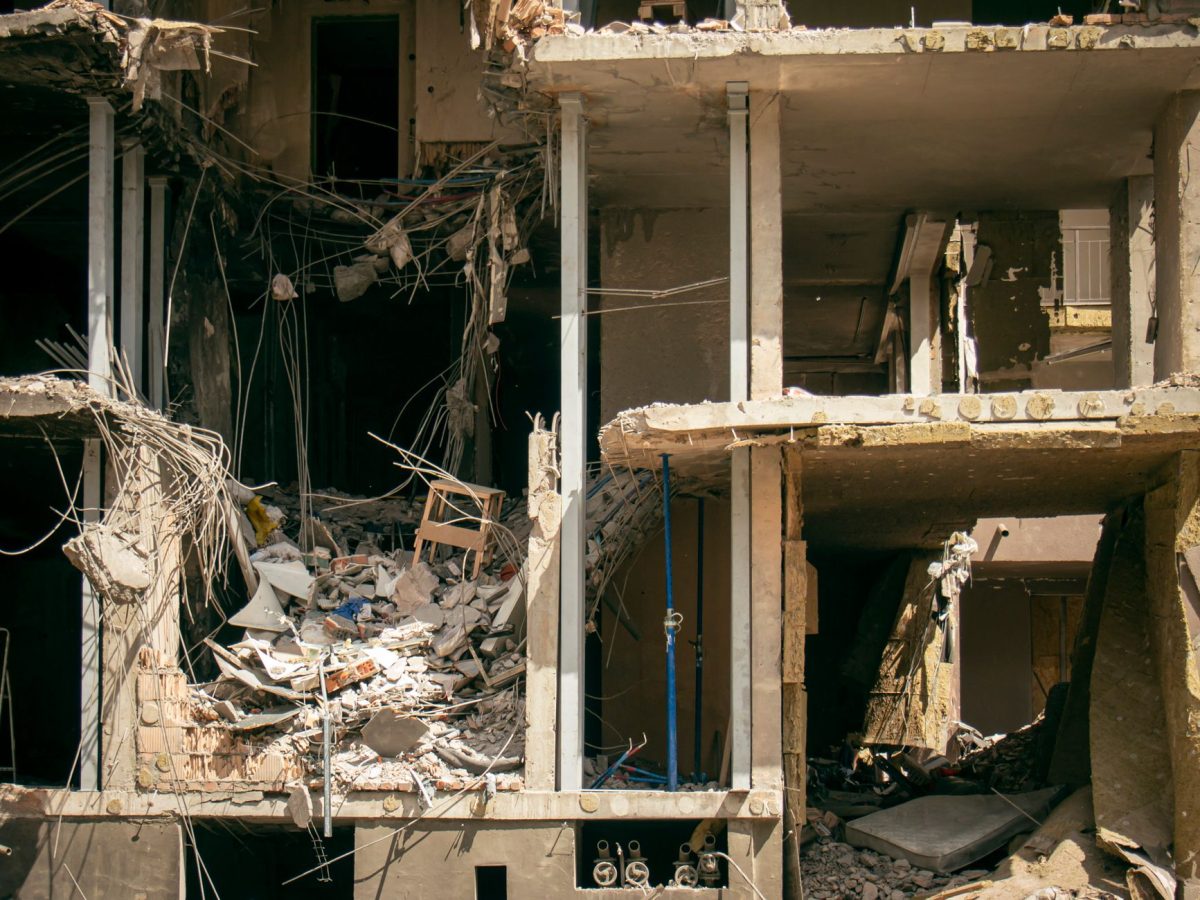
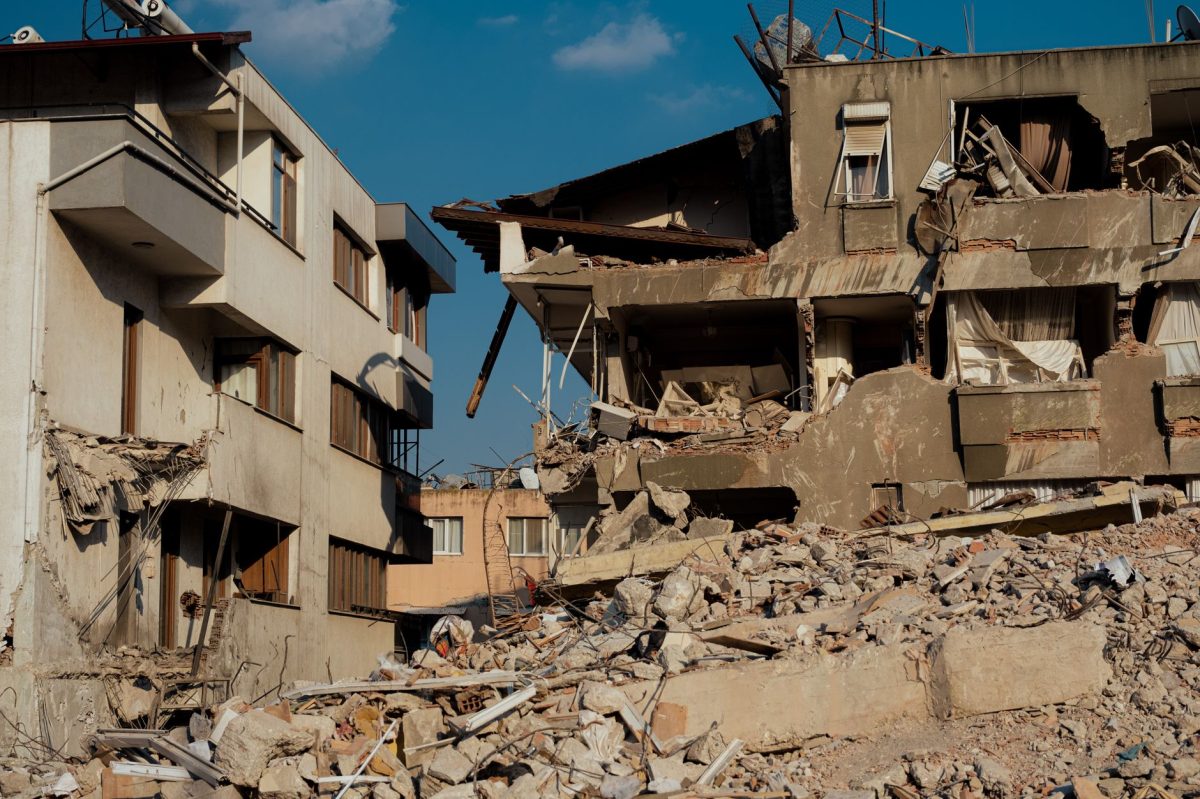
“This decision will not stem the flow of migrants, but it will only push them further into the hands of smugglers and traffickers. We urge the Libyan authorities to reconsider this decision and work towards a more humane and effective migration policy.”
What We Don't Know Yet
The full implications of the ban are still unclear, and several questions remain unanswered. For instance, it is unclear how the ban will be enforced, particularly at Libya's porous borders. Additionally, it is unclear what alternatives will be provided for migrants and refugees who are currently in Libya. The Libyan government has not provided any information on the number of migrants who will be affected by the ban. Furthermore, it is unclear how the ban will impact Libya's relations with its African neighbors, particularly Sudan, Eritrea, Ethiopia, and Somalia.
Key Takeaways
- Libya bans entry of nationals from Sudan, Eritrea, Ethiopia, and Somalia
- The ban is part of a broader effort to reorganize Libya's migration policies
- Over 80% of migrants in Libya originate from the four banned countries
- Libya's detention centers have been criticized for inhumane conditions and human rights abuses
- Migrants and refugees contribute significantly to Libya's economy through remittances and labor
What to Watch
In the coming days, several key developments are likely to unfold. The first is the implementation of the ban, which is expected to be challenging due to Libya's porous borders. The Libyan government has promised to increase border patrols and surveillance to enforce the ban. Additionally, the international community is likely to respond to the ban, with several organizations and governments condemning the decision. The United Nations High Commissioner for Refugees (UNHCR) has already expressed concerns about the ban, warning that it will exacerbate the already dire situation for migrants and refugees in Libya.
Despite the ban, Libya is still a significant transit point for migrants, with many attempting to reach Europe via the Mediterranean, highlighting the complex and ongoing nature of migration in the region.
The ban on nationals from Sudan, Eritrea, Ethiopia, and Somalia is a complex issue with far-reaching consequences. While the decision aims to combat rising migration levels, it is likely to have significant humanitarian and economic implications. As the situation unfolds, it is essential to remain vigilant and critically evaluate the information available.