Is Khamenei's Demand for Israel to End Attacks on Lebanon a Turning Point in US-Iran Peace Talks?

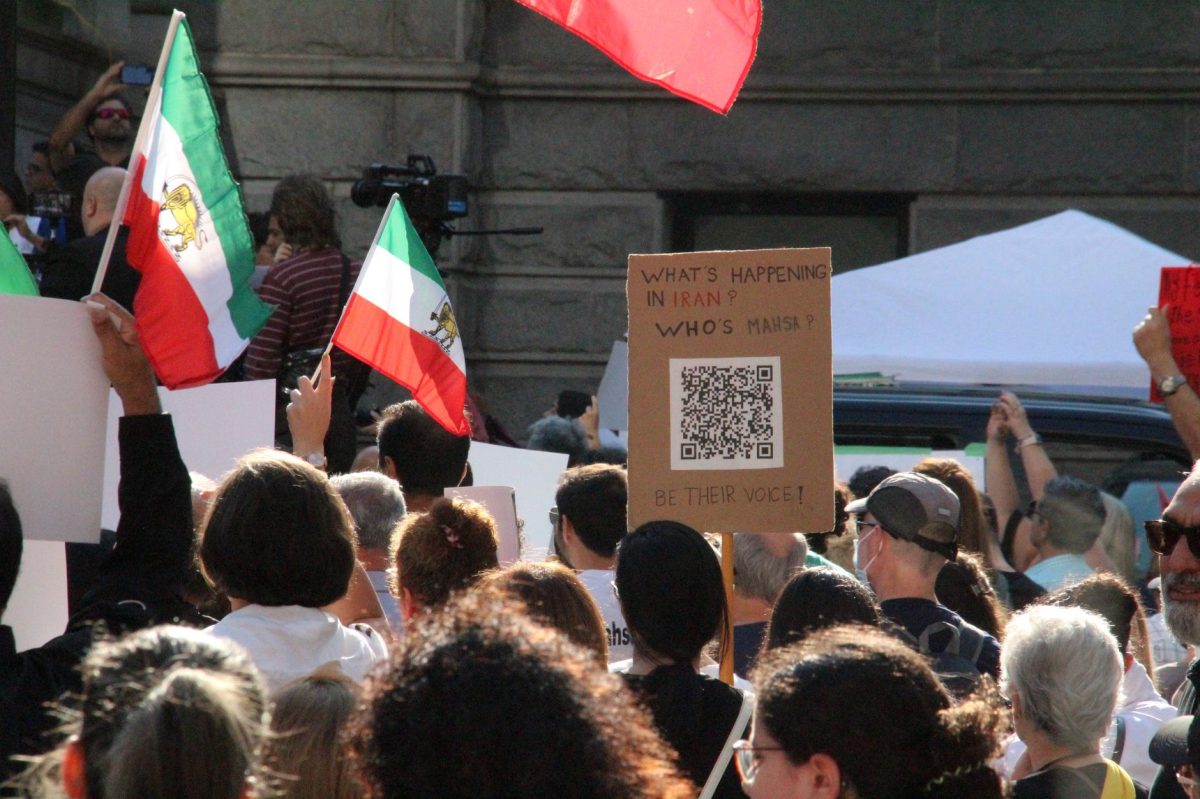
Iran's supreme leader, Ayatollah Ali Khamenei, has made a bold statement, linking the fate of US-Iran peace talks to Israel's attacks on Lebanon. This move has sparked significant attention, as it directly ties the long-stalled negotiations to a crucial regional conflict. The implications are substantial, as a potential resolution could have far-reaching consequences for the Middle East.
Khamenei's Statement: Iran's Supreme Leader Demands Israel Halt Attacks on Lebanon
In a televised address, Ayatollah Ali Khamenei called on Israel to 'unconditionally and absolutely' cease its attacks on Lebanon. The statement came after a recent escalation in violence between Israel and Hezbollah, with rocket attacks and airstrikes rocking the region. According to reports from Al Jazeera, Khamenei linked the end of Israel's attacks to a potential peace deal between Iran and the US. The Iranian leader stated that any agreement would be contingent on Israel's compliance with this condition. This move has sent shockwaves through the region, raising questions about the true intentions of Iran's government. Ayatollah Khamenei's words were met with a mixed response from Israeli officials; some expressed concern, while others dismissed the statement as an attempt to distract from domestic issues. The statement's significance lies in its direct connection to US-Iran peace talks, which have been stalled for years. Iran's supreme leader has long maintained that the country's nuclear program is a non-negotiable issue, but this statement suggests a willingness to engage in compromise. The exact date and location of the televised address were not provided.
Why Khamenei's Demand Matters
The implications of Khamenei's statement are far-reaching, with potential consequences for the entire Middle East. A resolution to the conflict between Israel and Lebanon could pave the way for a broader peace deal between Iran and the US. This, in turn, could lead to significant changes in the region, including a potential weakening of the Iranian nuclear program. The US has long been critical of Iran's nuclear ambitions, and a compromise on this issue could be a significant breakthrough. However, this development also raises concerns about the potential risks and consequences of such a deal. For ordinary people, a resolution to this conflict could mean improved economic prospects and reduced tensions in the region. The Iranian government has long maintained that its nuclear program is for peaceful purposes; a compromise on this issue could be a significant step towards a more stable regional environment.

“Ayatollah Khamenei's statement highlights the complexities of the Israeli-Lebanese conflict and the challenges of achieving a lasting peace in the region. His demands for Israel to cease attacks on Lebanon are a stark reminder of the region's volatile politics and the dangers of unchecked aggression.”
What We Don't Know Yet
Despite the significance of Khamenei's statement, there are still many unanswered questions. The true intentions of Iran's government remain unclear, and it is uncertain whether the US will agree to the terms of a potential peace deal. The Israeli government has yet to respond officially to Khamenei's demands, and it is unclear whether they will comply. Additionally, there are concerns about the potential risks and consequences of such a deal, including the possibility of increased tensions with other regional actors. The role of Hezbollah in any potential peace deal remains unclear; the militant group has long been a thorn in the side of Israeli authorities. The exact terms of a potential agreement, including any concessions on the Iranian nuclear program, are also unknown. Finally, it is uncertain whether the international community will support such a deal, particularly in light of ongoing tensions between the US and Iran.
What to Watch
In the coming days and weeks, several key developments will be closely watched. The Israeli government's response to Khamenei's demands will be critical, as will the US response to Iran's offer. The role of international actors, including the UN and the European Union, will also be significant. Any potential breakthrough in US-Iran peace talks will be closely monitored, as will any concessions on the Iranian nuclear program. The next 24-72 hours will be crucial in determining the course of events; a response from the Israeli government could be imminent. The international community will be watching closely, as a potential resolution to this conflict could have far-reaching consequences for the Middle East.
Despite being a major oil producer, Iran imports a significant portion of its gasoline due to a lack of refining capacity, making it vulnerable to economic sanctions.
The situation in the Middle East is complex and multifaceted, with many competing interests and agendas. While Khamenei's statement has sparked significant attention, it is unclear whether a resolution to the conflict between Israel and Lebanon is imminent. A potential breakthrough in US-Iran peace talks could have far-reaching consequences for the region, but the risks and challenges of such a deal must be carefully considered. As the situation unfolds, it is essential to remain vigilant and informed, seeking out multiple sources and perspectives to gain a deeper understanding of this critical issue.