Death Toll from Israeli Attacks on Lebanon Reaches 4,322 since March 2, 2023

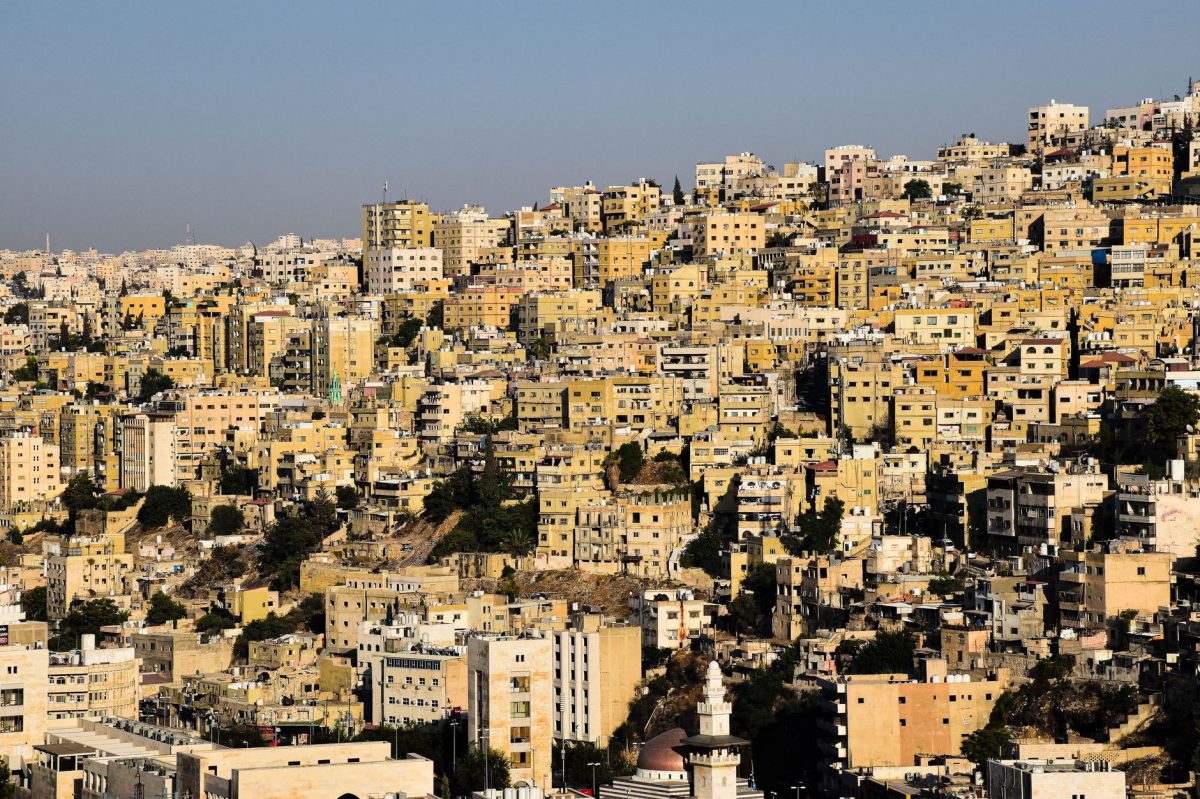
At least 4,322 people have lost their lives in Lebanon as a result of Israeli attacks, surpassing the initial estimates of casualties. This devastating loss of life has far-reaching implications for the people of Lebanon, exacerbating an already dire humanitarian crisis.
Israeli Attacks Across Lebanon Result in Devastating Casualties
According to a report by the United Nations Office for the Coordination of Humanitarian Affairs (UNOCHA), Israeli attacks across Lebanon have killed at least 4,322 people and injured 12,219 since March 2, 2023. The report also notes that over 500,000 people have been displaced, with many forced to seek shelter in makeshift camps or with host families. The scale of the humanitarian crisis is staggering, with entire neighborhoods reduced to rubble. The Israeli military has been accused of using disproportionate force, causing widespread destruction and loss of life. The Lebanese government has condemned the attacks, calling for an immediate ceasefire and humanitarian aid to be delivered to those in need. The international community has urged restraint and called for a peaceful resolution to the conflict. In a statement, the UN Secretary-General Antu00f3nio Guterres expressed deep concern over the escalating violence and reiterated the need for a ceasefire. The human cost of this conflict is immeasurable, with families torn apart and communities left to pick up the pieces. The people of Lebanon are in dire need of assistance, including food, shelter, and medical care. The international community must come together to provide aid and support to those affected by this conflict. The Israeli military has launched targeted airstrikes on several locations in Lebanon, including the cities of Beirut and Tyre. The attacks have caused widespread destruction, with many buildings and infrastructure reduced to rubble. The Lebanese military has retaliated with rocket attacks on Israeli positions in the north of the country. The conflict has also had a significant impact on the local economy, with many businesses forced to close due to the violence. The Lebanese government has called for an emergency meeting of the UN Security Council to address the crisis and demand an immediate ceasefire. The international community is urged to take immediate action to bring an end to this devastating conflict.
The Broader Implications of the Conflict
The conflict in Lebanon has far-reaching implications for the people of the region and beyond. The humanitarian crisis is a ticking time bomb, with the potential to spill over into neighboring countries. The conflict has also had a significant impact on the global economy, with oil prices rising and trade disrupted. The people of Lebanon are not just victims of this conflict, but also witnesses to a larger pattern of violence and instability in the region. The conflict is a symptom of a deeper issue, one that requires a concerted effort from the international community to address. The people of Lebanon are not just fighting for their lives, but also for their rights and dignity. The international community must take responsibility for its role in perpetuating this conflict and work towards a peaceful resolution. The conflict has also highlighted the need for greater international cooperation and diplomacy to prevent such crises from arising in the future. The people of Lebanon are not alone in this struggle, and the international community must come together to support them in their time of need. The conflict has also raised questions about the role of external actors in the region and their impact on the conflict. The involvement of external actors has only served to exacerbate the situation, with each side drawing more fighters and resources to the conflict. The people of Lebanon are caught in the middle of this conflict, with their lives and livelihoods threatened by the violence. The international community must take a more proactive role in promoting peace and stability in the region. The conflict has also highlighted the need for greater investment in humanitarian aid and disaster relief. The international community must do more to support those affected by this conflict and prevent similar crises from arising in the future. The people of Lebanon are not just victims of this conflict, but also heroes, fighting for their lives and their future. The international community must recognize their bravery and determination and work towards a peaceful resolution to this conflict.
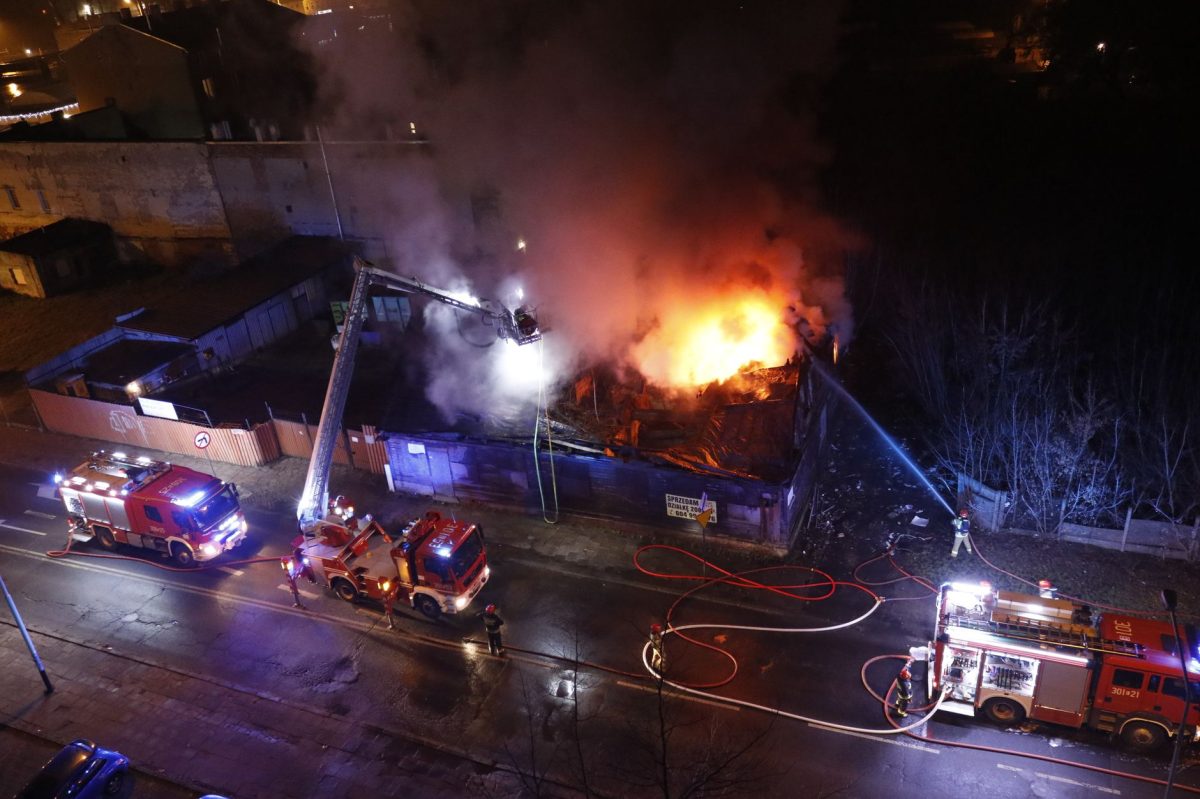
“The humanitarian situation in Lebanon is dire, and the international community must do more to support those affected by this conflict. We urge all parties to work towards a peaceful resolution and provide aid to those in need.”
What We Don't Know Yet
Despite the significant attention given to this conflict, there are still many unknowns that remain. The full extent of the humanitarian crisis is still not fully understood, with many areas inaccessible due to the conflict. The international community is still working to deliver aid to those in need, but the scale of the crisis is daunting. The conflict has also raised questions about the role of external actors in the region and their impact on the conflict. The involvement of external actors has only served to exacerbate the situation, with each side drawing more fighters and resources to the conflict. The people of Lebanon are caught in the middle of this conflict, with their lives and livelihoods threatened by the violence. The international community must take a more proactive role in promoting peace and stability in the region. The conflict has also highlighted the need for greater investment in humanitarian aid and disaster relief. The international community must do more to support those affected by this conflict and prevent similar crises from arising in the future. The people of Lebanon are not just victims of this conflict, but also heroes, fighting for their lives and their future. The international community must recognize their bravery and determination and work towards a peaceful resolution to this conflict. The conflict has also raised questions about the impact of the conflict on the environment and the long-term consequences of the violence. The destruction of infrastructure and the release of toxic chemicals has raised concerns about the long-term impact on the environment. The international community must take a more proactive role in mitigating the environmental impact of this conflict. The conflict has also highlighted the need for greater international cooperation and diplomacy to prevent such crises from arising in the future. The international community must work together to prevent similar crises from arising in the future. The people of Lebanon are not alone in this struggle, and the international community must come together to support them in their time of need.
What to Watch
The situation in Lebanon remains volatile, with the potential for further escalation. The international community must remain vigilant and work towards a peaceful resolution. The conflict has also highlighted the need for greater investment in humanitarian aid and disaster relief. The international community must do more to support those affected by this conflict and prevent similar crises from arising in the future. The people of Lebanon are not just victims of this conflict, but also heroes, fighting for their lives and their future. The international community must recognize their bravery and determination and work towards a peaceful resolution to this conflict. The conflict has also raised questions about the role of external actors in the region and their impact on the conflict. The involvement of external actors has only served to exacerbate the situation, with each side drawing more fighters and resources to the conflict. The people of Lebanon are caught in the middle of this conflict, with their lives and livelihoods threatened by the violence. The international community must take a more proactive role in promoting peace and stability in the region. The conflict has also highlighted the need for greater international cooperation and diplomacy to prevent such crises from arising in the future. The international community must work together to prevent similar crises from arising in the future. The people of Lebanon are not alone in this struggle, and the international community must come together to support them in their time of need. The conflict has also raised questions about the impact of the conflict on the environment and the long-term consequences of the violence. The destruction of infrastructure and the release of toxic chemicals has raised concerns about the long-term impact on the environment. The international community must take a more proactive role in mitigating the environmental impact of this conflict.
The conflict in Lebanon is a devastating reminder of the human cost of war and the need for greater international cooperation and diplomacy to prevent such crises from arising in the future. The people of Lebanon are not alone in this struggle, and the international community must come together to support them in their time of need. The conflict has highlighted the need for greater investment in humanitarian aid and disaster relief, as well as the need for greater international cooperation and diplomacy to prevent similar crises from arising in the future. The people of Lebanon are heroes, fighting for their lives and their future, and the international community must recognize their bravery and determination and work towards a peaceful resolution to this conflict.