Turning Point: US Coast Guard Tracks Chinese Polar Expedition Vessels in Bering Sea

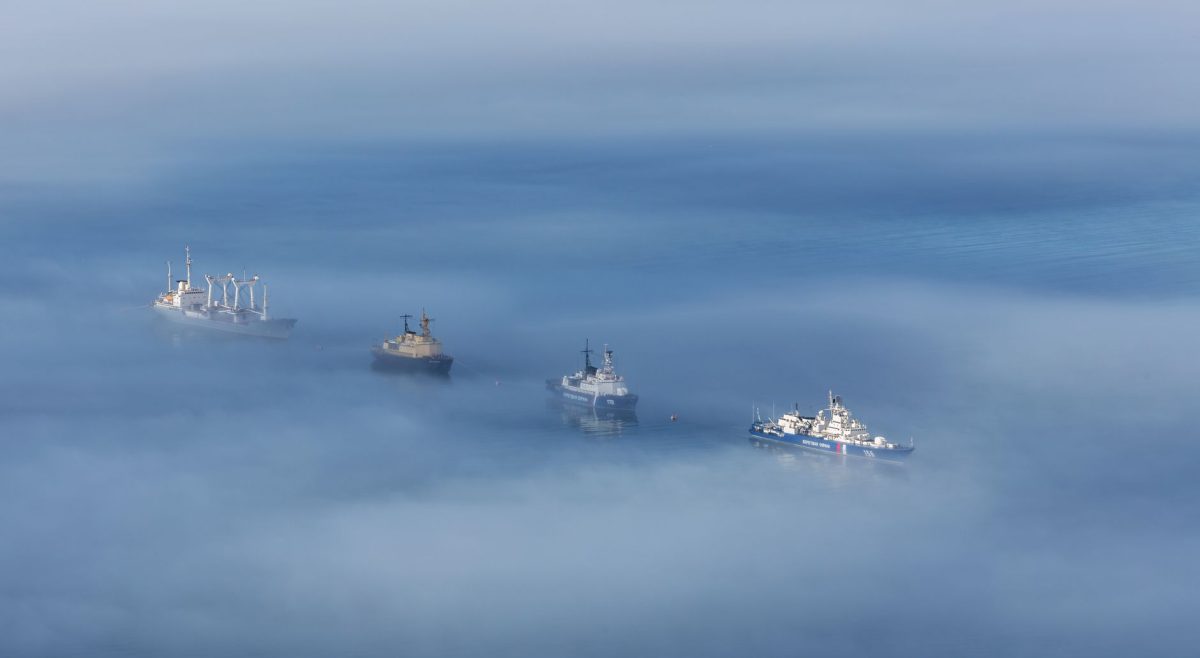
The US Coast Guard has confirmed that it tracked Chinese polar expedition vessels as they traveled through the Bering Sea, a key waterway connecting the Pacific Ocean to the Arctic Ocean. This development has sparked concerns about China's intentions in the Arctic region, which is rich in natural resources and has significant geopolitical implications.
Chinese Polar Expedition Vessels Transit Bering Sea
According to a statement from the US Coast Guard, the agency closely monitored Chinese polar expedition vessels as they transited the Bering Sea on their way to the Arctic Ocean last week. The vessels, which were identified as icebreakers and research ships, were tracked by US Coast Guard vessels and aircraft as they traveled through the Bering Sea. The US Coast Guard confirmed that the vessels were equipped with advanced navigation and communication systems, which allowed them to communicate with Chinese authorities and other vessels in the region. The agency stated that the close monitoring of the Chinese vessels was a routine operation and was not intended to be confrontational. In an interview with Reuters, a US Coast Guard spokesperson said that the agency has a responsibility to ensure that all vessels, including those from China, are operating safely and in accordance with international law.
Why China's Growing Presence in the Arctic Matters
China's growing presence in the Arctic region has significant implications for the United States and other countries. The Arctic is rich in natural resources, including oil, gas, and minerals, which are essential for the global economy. China's increasing investments in the region are seen as a challenge to the existing order and a potential threat to the dominance of Western powers. The US Coast Guard's close monitoring of Chinese vessels in the Bering Sea is a symptom of a larger concern about China's intentions in the region. As Chinese vessels increasingly operate in the Arctic, the risks of accidents, miscalculations, and even conflict are rising. The consequences of such an incident could have far-reaching implications for global trade and security.


What We Don't Know Yet
Despite the close monitoring of Chinese vessels in the Bering Sea, there are still many questions that remain unanswered. The exact purpose of the Chinese polar expedition is still unclear, and the nature of the research being conducted is not well understood. The role of the US Coast Guard in monitoring the Chinese vessels is also subject to interpretation. While the agency stated that the monitoring was routine and not confrontational, some analysts have questioned the motivations behind the close tracking. The lack of transparency and communication from the Chinese side has only added to the uncertainty and speculation about China's intentions in the region.
What to Watch
In the coming weeks and months, several key developments are likely to unfold in the Arctic region. The US Coast Guard is expected to continue monitoring Chinese vessels in the Bering Sea and other areas of the Arctic. China is also expected to continue its investments in the region, including the development of new infrastructure and research facilities. The US and other countries are likely to respond with their own initiatives and investments in the region, including the development of new military capabilities and infrastructure. The competition for influence and resources in the Arctic is likely to intensify in the coming years, and the stakes are high.
The Arctic region is home to the North Pole, which is not owned by any country, but is instead managed by the International Seabed Authority, a UN organization that regulates mining and drilling activities in the region.
The US Coast Guard's close monitoring of Chinese vessels in the Bering Sea is a sign of the growing tensions in the Arctic region. As the competition for influence and resources in the region intensifies, the stakes are high. The outcome of this competition will have significant implications for global trade, security, and politics.