Iran Fires Dozens of Missiles at Jordanian City Near Israeli Border

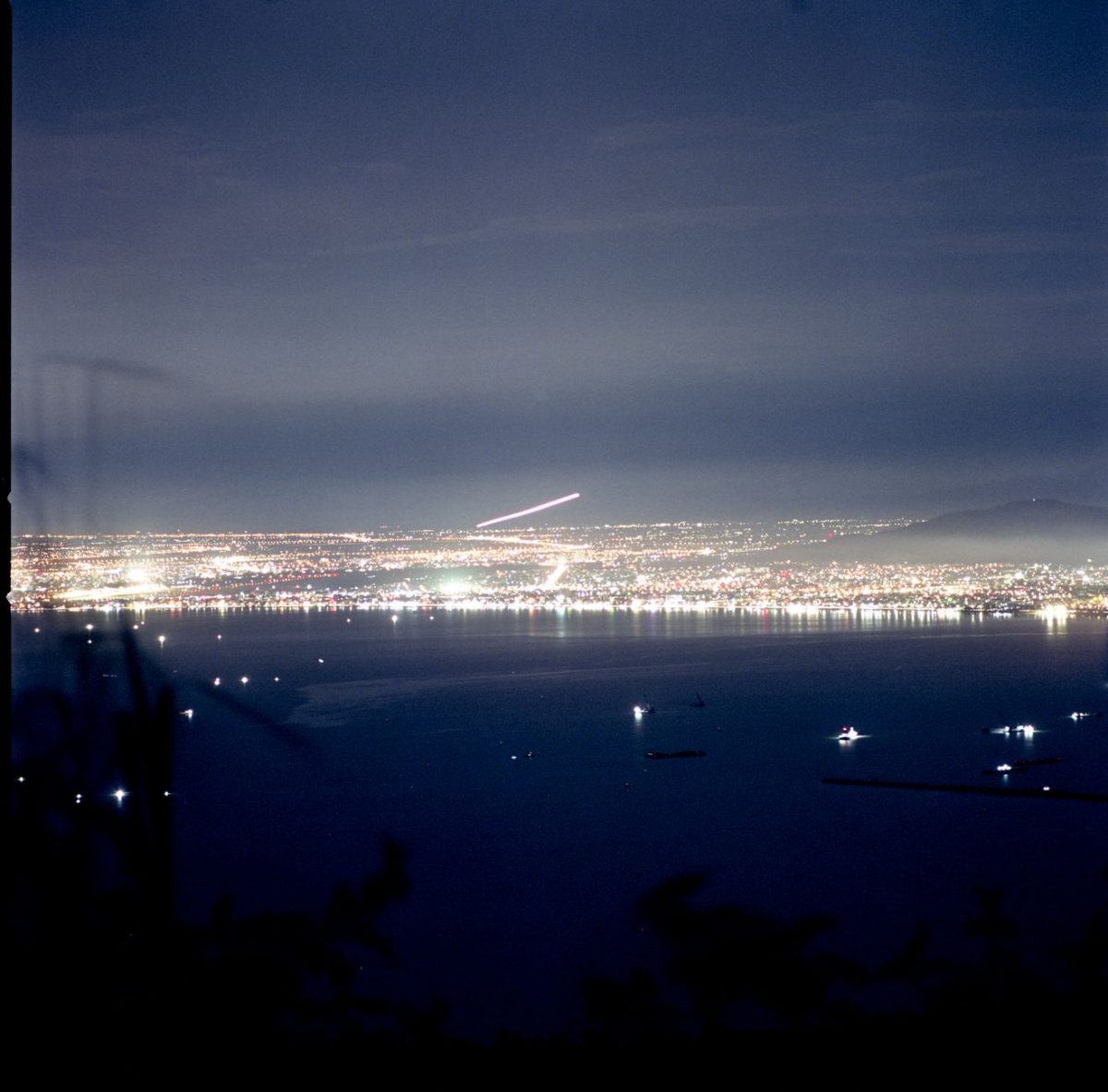
Iran launched a significant missile attack on the Jordanian city of Aqaba on Wednesday, with several dozen missiles fired at the city's international airport and nearby military bases. This marks a significant escalation in the conflict, and raises concerns about the stability of the region. The attack has left many wondering about the potential consequences for ordinary people living in the area, and the implications for global politics.
What Happened: Iran Fires Missiles at Jordanian City
According to the Jordanian military, Iran launched dozens of missiles at the city of Aqaba on Wednesday, with at least 40 missiles fired at the international airport and nearby military bases. The attack was reported to have caused significant damage and disruption, with several buildings destroyed or damaged. Account to General Younes Al-Malkawi, the commander of the Jordanian military's southern sector, stated that the attack was a 'clear and direct threat' to Jordan's sovereignty and security. The missiles were reportedly fired from Iranian territory, with some of them landing in the nearby Israeli-occupied Golan Heights. At least 20 people were injured in the attack, including several civilians and military personnel.
Why It Matters: Escalating Tensions in the Region
The missile attack on Jordan is the latest escalation in a nearly two-week surge of fighting in the region. This has raised tensions between Iran, Israel, and their allies, with Bahrain and Saudi Arabia issuing alerts amid the chaos. The attack has significant implications for ordinary people living in the area, with many left wondering about their safety and security. The potential consequences of this escalation are far-reaching, and could have significant impacts on global politics. The conflict has already disrupted trade and commerce in the region, with several countries imposing sanctions on Iran.


“This is a clear and direct threat to Jordan's sovereignty and security, and we will do everything in our power to protect our citizens and our territory.”
What We Don't Know Yet: Uncertainty and Gaps in the Story
Despite the clear facts of the attack, there are still many questions unanswered. The exact number of missiles fired, the extent of the damage, and the identity of those injured are all still unclear. The international community is calling for a thorough investigation into the attack, with several countries condemning Iran's aggression.
Key Takeaways
- Iran launched dozens of missiles at the Jordanian city of Aqaba on Wednesday.
- The attack was a clear and direct threat to Jordan's sovereignty and security.
- The conflict has raised tensions between Iran, Israel, and their allies, with Bahrain and Saudi Arabia issuing alerts amid the chaos.
- The situation on the ground is fluid and rapidly changing, with new developments emerging by the hour.
- A full-scale war between Iran and Israel is a possibility, with significant implications for global politics and the global economy.
What to Watch: Key Players and Realistic Outcomes
In the coming days and weeks, several key players will play a crucial role in shaping the outcome of this conflict. The United States, Israel, and Iran will all be closely watched, as will the international community. The Organization for the Prohibition of Chemical Weapons (OPCW) has been deployed to the region to investigate the use of chemical weapons.
Despite being a major oil producer, Iran's economy is heavily reliant on imports, with the country importing over 50% of its food and many other essential goods, making it highly vulnerable to sanctions and trade disruptions.
The missile attack on Jordan has left many wondering about the potential consequences for ordinary people living in the area, and the implications for global politics. As the situation on the ground continues to evolve, one thing is clear: the conflict in the region has reached a critical point, and the world is holding its breath. The next few days and weeks will be crucial in determining the outcome of this conflict, and the international community will be closely watching the developments.