Surprising: Israeli Ministers Join March to Gaza to Demand Return of 2005 Evacuated Settlements

A recent march by Israeli ministers to the Gaza border has raised questions about the country's settlements policy, with hundreds gathering to demand the return of communities evacuated in 2005. The event highlights the complex issue of housing shortages and economic instability faced by many Israelis, with some ministers arguing that rebuilding settlements is a necessary step towards addressing these concerns. This move has sparked controversy and debate, with many questioning the motives behind the march and the potential consequences for the region.
What Happened
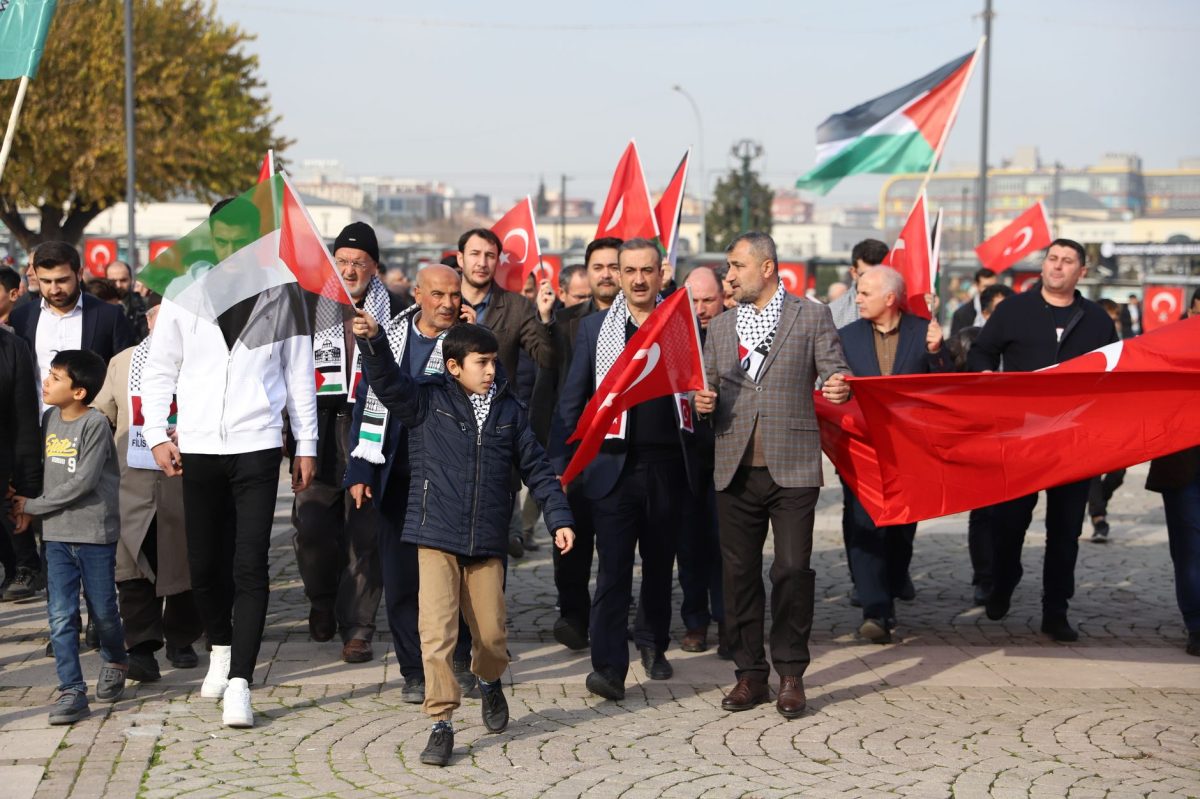
On Tuesday, June 27, hundreds of people gathered near the Gaza border as Israeli ministers, including Deputy Defense Minister Alon Schuster and Economy Minister Nir Barkat, joined a march to demand the return of settlements evacuated in 2005. The march, which was organized by the Israeli government, aimed to highlight the need for settlements to be rebuilt, citing concerns over housing shortages and economic instability. According to eyewitnesses, the march began near the Erez crossing, where protesters waved Israeli flags and held signs calling for the return of settlements. The event was attended by several ministers, including Schuster and Barkat, who are both members of the coalition government. The march was peaceful, with no reports of violence or clashes between protesters and security forces.
Why It Matters
The march to Gaza and the demand for the return of settlements evacuated in 2005 is a complex issue that has sparked controversy and debate. One of the main concerns raised by ministers is the issue of housing shortages in Israel, which has seen a significant increase in recent years. According to data from the Israeli Ministry of Construction and Housing, there are over 100,000 people living in temporary housing units across the country, with many more facing difficulties in finding affordable housing. The issue is particularly acute in areas such as Tel Aviv and Jerusalem, where housing prices have skyrocketed in recent years. In this context, rebuilding settlements is seen by some as a necessary step towards addressing the housing shortage, as it would provide additional housing units and alleviate some of the pressure on the market. However, many argue that this approach is misguided and that the real issue is the lack of investment in affordable housing and the failure to address the root causes of the shortage. Instead of rebuilding settlements, some argue that the government should focus on building new housing units in existing cities and towns, or even exploring alternative solutions such as community land trusts. The march has also highlighted the issue of economic instability in Israel, with many people struggling to make ends meet. According to data from the Israeli Central Bureau of Statistics, the poverty rate in Israel has increased significantly in recent years, with over 20% of the population living below the poverty line. The issue is particularly acute in areas such as the Negev desert, where unemployment rates are high and many people rely on government assistance to survive. In this context, rebuilding settlements is seen by some as a way to create jobs and stimulate economic growth. However, many argue that this approach is simplistic and that the real issue is the lack of investment in education and job training programs, as well as the failure to address the root causes of economic instability. Instead of rebuilding settlements, some argue that the government should focus on creating jobs and stimulating economic growth through more sustainable and equitable means. The march has also raised questions about the impact of the settlements on the region, particularly on the Palestinian population. According to data from the United Nations Office for the Coordination of Humanitarian Affairs, the settlements have resulted in the displacement of thousands of Palestinians, with many facing difficulties in accessing basic services such as healthcare and education. The issue is particularly acute in areas such as Gaza, where the settlements have led to the confiscation of land and the destruction of homes. In this context, rebuilding settlements is seen by many as a threat to the rights and dignity of the Palestinian people. The march has sparked controversy and debate, with many questioning the motives behind the event and the potential consequences for the region. Some argue that the march is a thinly veiled attempt to undermine the two-state solution and to expand Israeli settlements in the West Bank and Gaza. Others argue that the march is a genuine attempt to address the housing shortage and economic instability faced by many Israelis. Whatever the motives behind the march, one thing is clear: the issue of settlements in Gaza is complex and deeply contentious. The march has highlighted the need for a more nuanced and equitable approach to addressing the housing shortage and economic instability, one that takes into account the rights and dignity of all parties involved.

“We are here today to send a message to the international community that we will not be ignored. We will not be silenced. We will fight for our rights and for the rights of the Palestinian people to live in dignity and peace.”
What We Don't Know Yet
The march to Gaza and the demand for the return of settlements evacuated in 2005 has raised many questions about the motivations behind the event and the potential consequences for the region. One of the main questions is what will happen next. Will the government follow through on its promise to rebuild settlements, and if so, how will it be funded? Will the international community intervene, and if so, what will be their stance on the issue of settlements? Another question is what will happen to the Palestinian population in Gaza, particularly in areas where settlements have been evacuated. Will they be allowed to return to their homes, and if so, on what terms? The uncertainty surrounding these questions has left many feeling anxious and uncertain about the future. The lack of clear information and transparency has only added to the confusion and mistrust. The Israeli government has yet to provide a clear plan for rebuilding settlements, and the international community is still waiting for a response to its concerns. Until then, the people of Gaza and the rest of the world will be left to wonder what the future holds. The march has also raised questions about the role of social media in shaping public opinion. Social media platforms have been flooded with images and videos of the march, with many using the hashtag #GazaMarch to share their thoughts and opinions on the issue. However, the impact of social media on public opinion is complex and multifaceted, and it is difficult to say what the long-term effects of the march will be. One thing is certain, however: the march has sparked a wider conversation about the issue of settlements and the need for a more nuanced and equitable approach to addressing the housing shortage and economic instability.
Key Takeaways
- Hundreds of people gathered near the Gaza border to demand the return of settlements evacuated in 2005.
- The march was attended by several Israeli ministers, including Deputy Defense Minister Alon Schuster and Economy Minister Nir Barkat.
- The Israeli government has announced plans to present a new proposal for rebuilding settlements in the coming weeks.
- The Palestinian Authority has announced plans to file a complaint with the International Criminal Court over the Israeli government's plans to rebuild settlements.
- The march has highlighted the need for a more nuanced and equitable approach to addressing the housing shortage and economic instability in Israel.
What to Watch
The march to Gaza and the demand for the return of settlements evacuated in 2005 is a complex and contentious issue that will continue to unfold in the coming days and weeks. Here are a few things to watch: The Israeli government has announced plans to present a new proposal for rebuilding settlements in the coming weeks. The proposal is expected to outline a clear plan for the rebuilding of settlements, including the allocation of funding and the timeline for completion. The proposal is expected to face significant opposition from the international community, particularly from the United States and the European Union. The Palestinian Authority has announced plans to file a complaint with the International Criminal Court (ICC) over the Israeli government's plans to rebuild settlements. The complaint is expected to argue that the settlements are a war crime and that the Israeli government's plans to rebuild them are a violation of international law. The ICC has yet to comment on the complaint, but it is expected to be taken seriously by the international community. The march has also highlighted the need for a more nuanced and equitable approach to addressing the housing shortage and economic instability in Israel. The Israeli government has announced plans to invest in affordable housing and job training programs, but it remains to be seen whether these plans will be effective.
The march to Gaza and the demand for the return of settlements evacuated in 2005 is a complex issue that has sparked controversy and debate. The event has highlighted the need for a more nuanced and equitable approach to addressing the housing shortage and economic instability in Israel, and it has raised questions about the impact of the settlements on the Palestinian population. Whatever the motives behind the march, one thing is clear: the issue of settlements in Gaza is far from over. As the situation continues to unfold, it is essential to approach the issue with nuance and sensitivity, recognizing the rights and dignity of all parties involved. The march has sparked a wider conversation about the need for a more equitable approach to addressing the housing shortage and economic instability in Israel, and it is up to all of us to continue this conversation and work towards a more just and peaceful future for all. We will continue to follow the developments in this story and provide updates as more information becomes available.