Toronto, New York, and Washington D.C. Top List of Most Polluted Cities Amid Wildfires

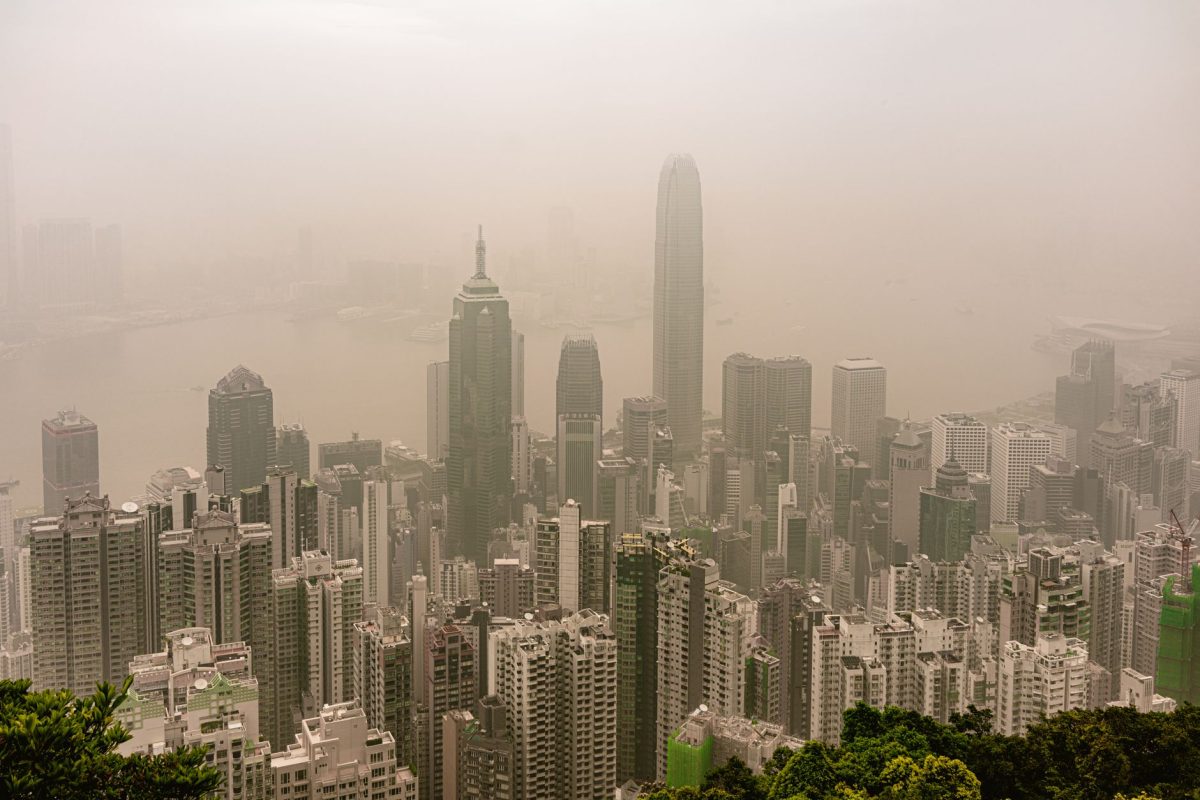
The recent surge in wildfire activity has led to a significant spike in air pollution levels in Toronto, New York, and Washington D.C., with the three cities topping the list of most polluted cities in North America. This is a major concern for residents and visitors, particularly those with pre-existing respiratory conditions. The impact of pollution on human health is a pressing issue that requires immediate attention and action.
Wildfires Rage On, Polluting Top US and Canadian Cities
According to a report by Environment and Climate Change Canada, the province of Ontario has experienced a significant increase in wildfires over the past few weeks. This has led to a substantial deterioration in air quality, particularly in Toronto and surrounding areas. The report states that the air quality in Toronto has been classified as 'hazardous' due to the high levels of particulate matter (PM) in the air. 'We are seeing a significant increase in wildfires in Ontario, which is a major contributor to poor air quality in the region,' said a spokesperson for Environment and Climate Change Canada. The agency has issued a warning to residents and visitors to take precautions to minimize their exposure to poor air quality. Air quality indexes have reached as high as 10 in some areas, indicating a hazardous level of pollution. The situation is being closely monitored by local authorities, who are working to contain the wildfires and improve air quality. The Ontario government has also implemented measures to mitigate the impact of wildfires on air quality, including the deployment of air quality monitoring stations and the implementation of a smoke management plan.
Why Air Pollution Matters: Health Risks and Economic Consequences
The impact of air pollution on human health is a pressing concern, particularly for individuals with pre-existing respiratory conditions. Prolonged exposure to poor air quality can lead to a range of health problems, including respiratory issues, cardiovascular disease, and even premature death. The economic consequences of air pollution are also significant, with studies suggesting that air pollution can lead to increased healthcare costs, reduced productivity, and even economic growth. In addition, air pollution can have a disproportionate impact on vulnerable populations, including children, the elderly, and low-income communities. 'The effects of air pollution on human health are well-documented, and it's essential that we take immediate action to mitigate its impact,' said a spokesperson for the American Lung Association. The association has called for increased investment in clean air initiatives and the implementation of policies to reduce air pollution. The economic benefits of reducing air pollution are also substantial, with estimates suggesting that a 10% reduction in air pollution could lead to a 1% increase in GDP.


“The effects of air pollution on human health are well-documented, and it's essential that we take immediate action to mitigate its impact.”
What We Don't Know Yet: Gaps and Uncertainty in Wildfire Research
While significant progress has been made in understanding the impact of wildfires on air quality, there are still many gaps and uncertainties in the research. One area of ongoing research is the role of climate change in exacerbating wildfires. Scientists have suggested that climate change may be increasing the frequency and severity of wildfires, but more research is needed to fully understand this relationship. Another area of uncertainty is the impact of wildfires on air quality in the long term. While short-term exposure to poor air quality can have significant health consequences, the long-term effects of repeated exposure to poor air quality are not yet fully understood. More research is needed to fully understand the impact of wildfires on air quality and human health. In addition, there is a need for increased investment in air quality monitoring and research to better understand the causes and consequences of air pollution.
Key Takeaways
- Toronto, New York, and Washington D.C. top the list of most polluted cities in North America due to wildfires.
- Air quality indexes have reached as high as 10 in some areas, indicating a hazardous level of pollution.
- The economic consequences of air pollution are significant, with studies suggesting that air pollution can lead to increased healthcare costs and reduced productivity.
- More research is needed to fully understand the impact of wildfires on air quality and human health.
What to Watch: Key People and Realistic Outcomes
In the coming days and weeks, several key players will be monitoring the situation closely. The Ontario government will be working to contain the wildfires and improve air quality, while the US Environmental Protection Agency (EPA) will be monitoring air quality levels in US cities. The American Lung Association will also be tracking the impact of air pollution on human health and advocating for increased investment in clean air initiatives. In terms of realistic outcomes, there are several possible scenarios. If the wildfires are contained quickly, air quality levels are likely to improve rapidly. However, if the wildfires continue to rage, air quality levels may remain hazardous for an extended period. The Ontario government has implemented a smoke management plan to mitigate the impact of wildfires on air quality. The plan includes the deployment of air quality monitoring stations and the implementation of measures to reduce smoke emissions.
Despite the negative impact of air pollution on human health, some studies have found that air pollution can actually have a positive impact on plant growth, as certain pollutants can act as fertilizers. However, this positive impact is far outweighed by the negative consequences of air pollution, and reducing air pollution levels remains a major priority for environmental and healthcare agencies.
The impact of wildfires on air quality is a pressing concern that requires immediate attention and action. By working together, we can mitigate the effects of air pollution and create a healthier, more sustainable future for all.