Malaysia Deploys Long-Range Radar at South China Sea Outpost Amid Philippines Row

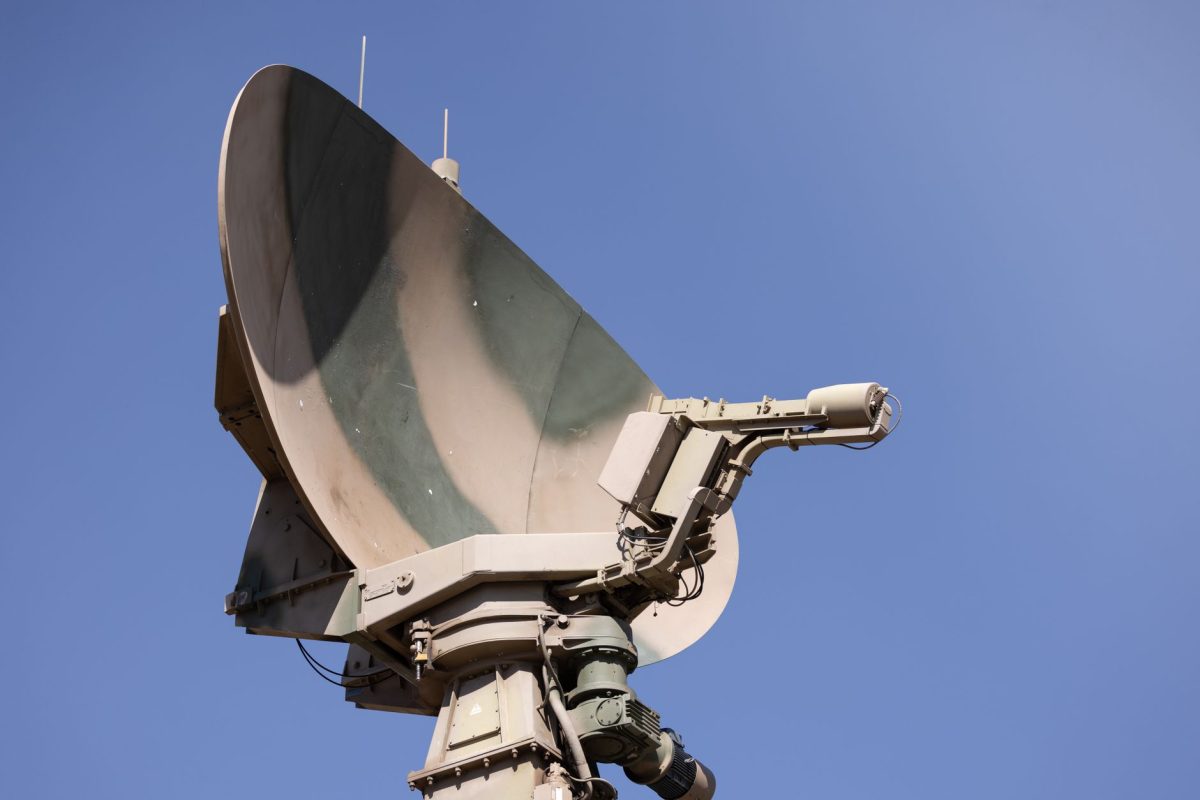
Malaysia has begun deploying a long-range radar system at a frontline outpost in the South China Sea, a move aimed at enhancing its surveillance capabilities in the contested waters. This development is significant as the region has seen rising tensions between Malaysia and the Philippines over territorial disputes. The radar system is part of Malaysia's efforts to strengthen its defense posture in the South China Sea, which is also a key shipping route.
Malaysia's Upgrade of South China Sea Defenses: Key Details
According to an account to Reuters, the long-range radar system is being installed at the Sabah-based Tg Simpang Mengayau outpost, which is strategically located near the southern tip of the Philippines. The radar system has a range of over 300 kilometers and is expected to provide Malaysia with real-time surveillance capabilities over the South China Sea. Malaysia has also launched newly operational drones as part of its efforts to strengthen its coastal defense. In an interview with the Defense Post, Major General Affendi Buang, the Malaysian Air Force's Assistant Chief of Staff, said that the new radar system would enable Malaysia to identify and track potential threats more effectively. The radar system is part of a larger upgrade of Malaysia's defense capabilities in the South China Sea, which includes the deployment of new warships and the modernization of its coast guard.
Why Malaysia's Upgrade Matters for the Region
Malaysia's upgrade of its South China Sea defenses is significant because it highlights the country's growing concerns about its territorial sovereignty in the region. The South China Sea is a highly contested area, with several countries, including China, Vietnam, and the Philippines, claiming sovereignty over various islands and reefs. Malaysia's decision to deploy a long-range radar system and launch drones reflects its desire to strengthen its defense capabilities and protect its interests in the region. The upgrade is also likely to have broader implications for the region, as it may prompt other countries to reassess their own defense postures in the South China Sea. For ordinary people in the region, the upgrade may lead to increased military activity and a heightened sense of tension, which could disrupt trade and commerce in the area.


“The new radar system will enable us to identify and track potential threats more effectively, which will enhance our ability to protect our sovereignty and interests in the South China Sea.”
What We Still Don't Know About Malaysia's Upgrade
While Malaysia's upgrade of its South China Sea defenses is significant, there are still several unanswered questions about the project. For example, it is unclear how much the radar system will cost and how it will be maintained over the long term. Additionally, there are concerns about the potential environmental impact of the radar system and the drones, which may disrupt marine ecosystems in the area. Furthermore, it is unclear how Malaysia's upgrade will be received by other countries in the region, including China and the Philippines, which have competing claims to territory in the South China Sea. Malaysia's decision to deploy a long-range radar system and launch drones reflects its desire to strengthen its defense capabilities and protect its interests in the region, but it is unclear what the full implications of the upgrade will be.
Key Takeaways
- Malaysia has begun deploying a long-range radar system at a frontline outpost in the South China Sea.
- The radar system has a range of over 300 kilometers and is expected to provide Malaysia with real-time surveillance capabilities over the South China Sea.
- Malaysia has also launched newly operational drones as part of its efforts to strengthen its coastal defense.
- The upgrade is part of a larger effort to strengthen Malaysia's defense capabilities in the South China Sea.
- The situation in the South China Sea remains highly volatile and the implications of Malaysia's upgrade are unclear.
What to Watch in the Coming Days
In the coming days, several key events and developments are likely to unfold in the South China Sea. One key event to watch is the potential response from China and the Philippines to Malaysia's upgrade of its South China Sea defenses. China has been increasingly assertive in its claims to territory in the South China Sea, and its response to Malaysia's upgrade will be closely watched by regional observers. Additionally, the deployment of the new radar system and drones will likely result in increased military activity in the area, which could lead to confrontations between Malaysia and other countries in the region. The situation in the South China Sea remains highly volatile, and it is unclear what the full implications of Malaysia's upgrade will be.
Despite the tensions in the South China Sea, the region is home to some of the most biodiverse ecosystems in the world
The upgrade of Malaysia's South China Sea defenses is a significant development that highlights the country's growing concerns about its territorial sovereignty in the region. While the upgrade is likely to have broader implications for the region, its full implications are still unclear and will depend on the responses of other countries in the region. As the situation in the South China Sea continues to evolve, it is essential to remain vigilant and monitor developments closely.