Expose: The Mystery Behind T. Rex 'Gus' $50 Million Sale

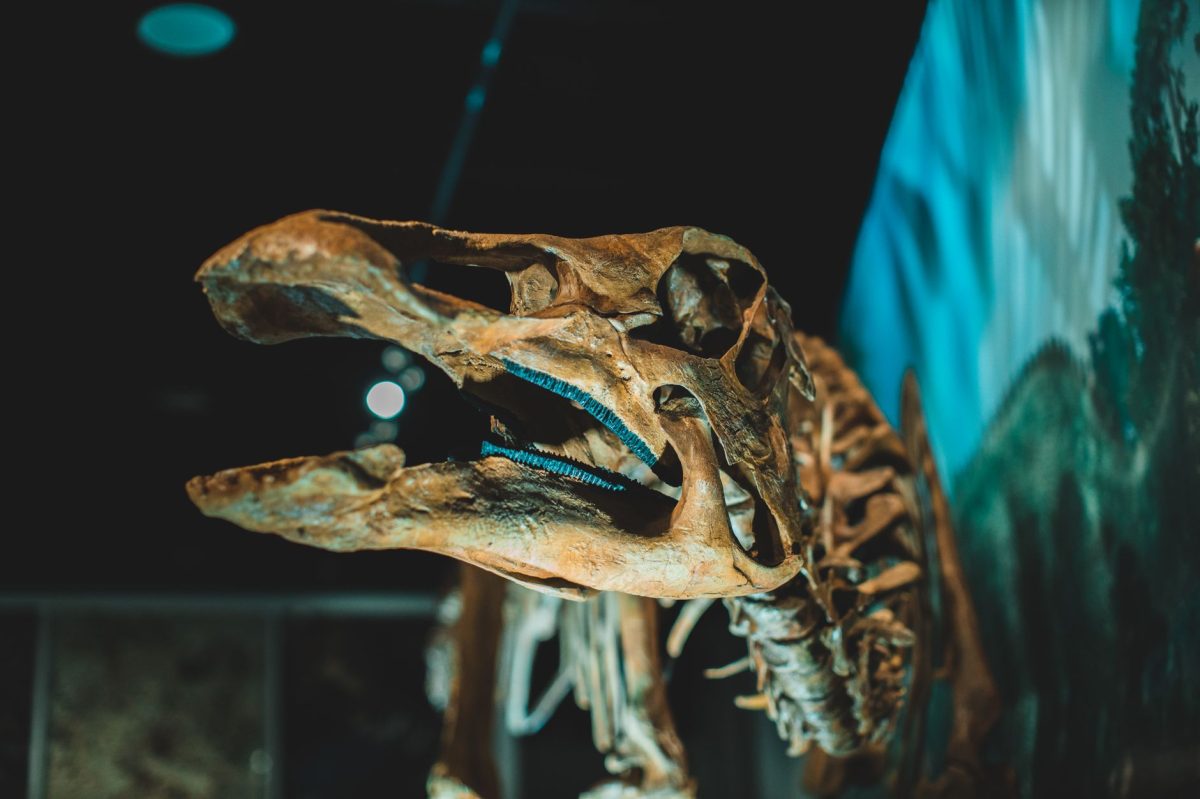
A nearly complete Tyrannosaurus rex fossil nicknamed 'Gus' has been sold for $50.1 million to a mystery bidder, setting a new record for the most expensive dinosaur fossil ever sold. This sale is significant because it highlights the growing demand for and value of these prehistoric specimens, often fetching millions at auctions. The sale also raises questions about the fossil's future, including where it will be displayed and who will have access to it.
The Sale
According to an account to Christie's Auction House, the sale of the T. rex fossil nicknamed 'Gus' took place on Tuesday, with the mystery bidder outbidding other collectors and institutions. The fossil, which is considered one of the largest and most complete T. rex specimens, was sold through a live auction at Christie's New York. The buyer was anonymous, with the auction house only revealing that the winning bid came from a private collector. The sale was facilitated by Christie's, with the auction house reporting that the winning bid was $50.1 million.
Why It Matters
The sale of 'Gus' highlights the growing demand for and value of dinosaur fossils, often fetching millions at auctions. This trend is reflective of a broader pattern of increasing interest in science and natural history, as well as a growing willingness to invest in unique and rare artifacts. The sale also raises questions about the fossil's future, including where it will be displayed and who will have access to it. The sale underscores the value and significance of these prehistoric specimens, often serving as a window into the past and a source of scientific knowledge.


“The sale of 'Gus' is a significant moment in the world of paleontology and natural history, and we look forward to seeing where the fossil will be displayed and how it will be shared with the public.”
What We Don't Know Yet
The identity of the mystery bidder remains unknown, sparking speculation and curiosity about the buyer's motivations and intentions. The sale also raises questions about the fossil's future, including where it will be displayed and who will have access to it. Furthermore, the sale highlights the need for more transparent and accountable practices in the sale and display of dinosaur fossils, to ensure that these valuable specimens are shared with the public and used for scientific research. The lack of transparency surrounding the sale and the buyer's identity has sparked concerns about the fossil's preservation and potential misuse.
Key Takeaways
- The T. rex fossil nicknamed 'Gus' was sold for $50.1 million to a mystery bidder.
- The sale is the most expensive dinosaur fossil sale to date.
- The identity of the mystery bidder remains unknown.
- The fossil's future is uncertain, including where it will be displayed and who will have access to it.
- The sale highlights the growing demand for and value of dinosaur fossils.
What to Watch
In the coming days and weeks, it will be essential to monitor the fossil's future, including its display and accessibility. The buyer's intentions and plans for the fossil should be made public, and the scientific community should be involved in the decision-making process. Additionally, the auction house and the fossil's owners should provide more information about the sale and the buyer's identity. The sale of 'Gus' serves as a reminder of the importance of responsible and transparent practices in the sale and display of dinosaur fossils.
The 'Gus' T. rex fossil is estimated to be around 68 million years old, dating back to the Cretaceous period.
The sale of 'Gus' is a significant moment in the world of paleontology and natural history, and it highlights the growing demand for and value of dinosaur fossils. As we look to the future, it is essential to ensure that these valuable specimens are shared with the public and used for scientific research, while also promoting responsible and transparent practices in their sale and display.