US-Backed Talks Between Venezuela's Two Parliaments to Begin August 1

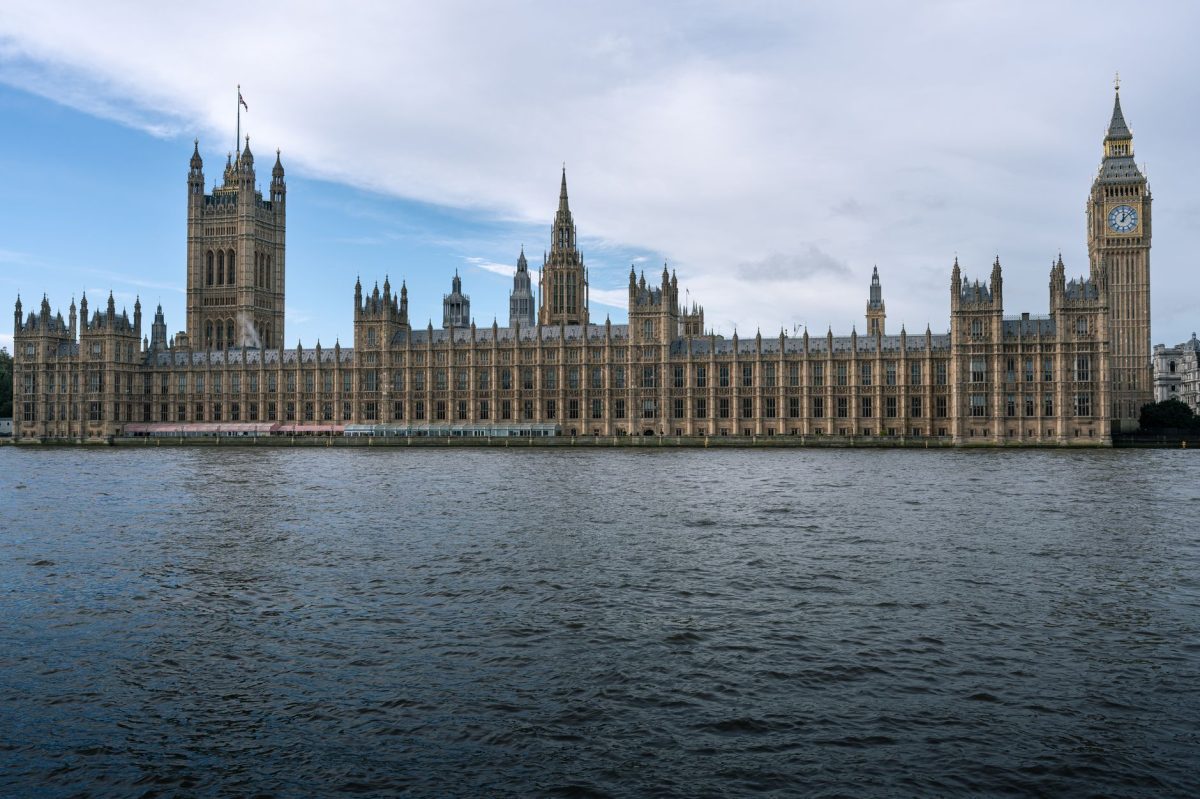
The United States is set to promote joint talks between Venezuela's two legislative bodies, the National Assembly and the Maduro-led Constituent Assembly, which will begin on August 1. This move aims to bring the country closer to a democratic reinstitution, a goal that has evaded Venezuela for years. The talks are a crucial step towards resolving the country's deep-seated political crisis and could have significant implications for ordinary Venezuelans.
US-Backed Talks Between Venezuela's Two Parliaments to Begin August 1
According to a report by Reuters, the US government has been promoting talks between the two parliaments since May, in a bid to bring the country closer to a democratic reinstitution. The talks are set to take place on August 1, and will be led by a team of international observers, including members of the Organization of American States (OAS) and the European Union. The agenda for the talks will include discussions on electoral reform, the release of political prisoners, and the restoration of the National Assembly's powers. The National Assembly, which is the only democratically elected legislative body in Venezuela, has been stripped of its powers by the Maduro-led Constituent Assembly.
Why It Matters
The implications of these talks are far-reaching, and could have a significant impact on the lives of ordinary Venezuelans. The country has been plagued by a deep-seated economic crisis, which has led to widespread poverty and a shortage of basic necessities such as food and medicine. The talks offer a glimmer of hope for a return to democratic governance, which could lead to a more stable and prosperous economy. A stable economy would also allow for the restoration of essential services such as healthcare and education. The restoration of the National Assembly's powers would also allow for the creation of a more effective and accountable government, which would be a major step towards resolving the country's deep-seated political crisis.

“The Venezuelan people are eager for a return to democratic governance, and we hope that these talks will be a step towards achieving that goal,”
What We Don't Know Yet
Despite the importance of the talks, there are still many questions that remain unanswered. One of the biggest questions is what will happen if the talks fail. Will the Maduro government continue to resist democratic reforms, or will it be forced to adapt to international pressure? Another question is what the role of the international observers will be in the talks. Will they be able to impartially mediate the discussions, or will they be seen as biased towards one side or the other?
Key Takeaways
- US-Backed talks between Venezuela's two parliaments to begin August 1
- The talks aim to bring the country closer to a democratic reinstitution
- The agenda for the talks will include discussions on electoral reform and the release of political prisoners
- A stable economy would allow for the restoration of essential services such as healthcare and education
- The talks are a test of the Maduro government's commitment to democratic reforms
What to Watch
In the next 24-72 hours, we can expect to see a significant increase in international attention on the talks. The OAS and the European Union will be closely monitoring the talks, and will be making statements on the progress of the discussions. The Maduro government will also be under intense scrutiny, and will be expected to demonstrate its commitment to democratic reforms. The key people to watch will be the leaders of the two parliaments, Juan Guaido and Diosdado Cabello. They will be the driving force behind the talks, and will be under intense pressure to deliver a successful outcome.
According to a report by the OAS, the Venezuelan economy has contracted by over 50% since 2013, leading to widespread poverty and a shortage of basic necessities.
The talks between Venezuela's two parliaments offer a glimmer of hope for a return to democratic governance, and could have significant implications for ordinary Venezuelans. The outcome of the talks is far from certain, and will depend on a number of factors, including the commitment of the Maduro government to democratic reforms. However, if the talks are successful, it would be a major victory for the Venezuelan people, and would demonstrate the country's commitment to democratic governance.