Indonesia's Free Meals Scheme Cut Leaves Kitchen Operators in Limbo

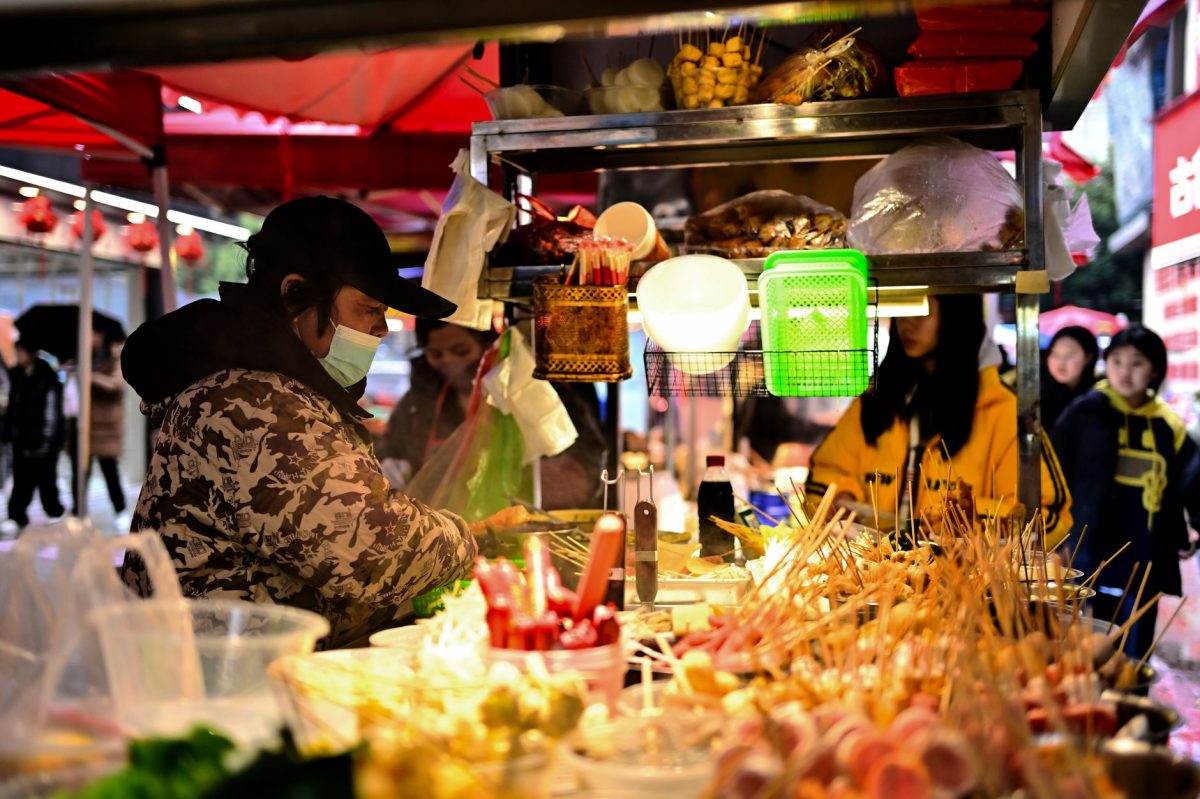
The Indonesian government's decision to scale down President Prabowo Subianto's flagship free meals program has left thousands of kitchen operators in a state of uncertainty, with many complaining that they have been left in the lurch. This move is significant because it affects the livelihoods of many people working in these kitchens. The government's decision is part of a broader pattern of austerity measures aimed at reducing the country's budget deficit. Thousands of Indonesians rely on these free meals for their daily sustenance, and the cutback is expected to have significant consequences for them. According to sources, the government plans to downsize the program by 30% by the end of the year.
Thousands of Kitchens Complain After Being Left in the Lurch
On Tuesday, thousands of Indonesian free meals kitchens complained that they had been left in the lurch by the government's move to scale down President Prabowo Subianto's flagship free meals program. According to an account from the Indonesian Kitchen Operators Association (IKOA), more than 5,000 kitchens across the country have been affected by the cutback. The kitchens were not given any notice or support to adjust to the new situation, leaving many of them struggling to survive. 'We were not given any warning or assistance to prepare for the cutback,' said Rina Kartika, a kitchen operator from Jakarta. 'Many of our staff are now facing job uncertainty, and we are struggling to make ends meet.' The government's decision to scale down the program is part of a broader effort to reduce the country's budget deficit, which has been exacerbated by the COVID-19 pandemic. The cutback is expected to save the government around Rp 1 trillion (approximately USD 68 million) per year. However, the impact on the kitchen operators and the people they serve is expected to be significant. Many of the kitchens rely heavily on the government funding to survive, and the cutback is expected to force them to close down or reduce their services. The IKOA has called on the government to reconsider its decision and provide support to the affected kitchens.
The Indonesian government's decision to scale down President Prabowo Subianto's flagship free meals program is part of a broader pattern of austerity measures aimed at reducing the country's budget deficit. The government has been implementing various measures to reduce spending, including cutting subsidies and increasing taxes. The cutback on the free meals program is just one of several austerity measures aimed at reducing the country's budget deficit. According to a report by the Indonesian Ministry of Finance, the country's budget deficit is expected to reach Rp 360 trillion (approximately USD 24 billion) this year, up from Rp 250 trillion (approximately USD 17 billion) last year. The austerity measures are expected to have a significant impact on the livelihoods of many Indonesians, particularly those who rely on government-funded programs for their daily sustenance. The free meals program is just one of several programs that have been affected by the austerity measures. Other programs, such as the cash transfer program for the poor, have also been reduced or scaled back. The impact of the austerity measures is expected to be felt across the country, with many people struggling to make ends meet. The government's decision to scale down the free meals program is a stark reminder of the challenges facing the country's economy and the need for the government to find a balance between reducing spending and supporting the livelihoods of its citizens.


“We were not given any warning or assistance to prepare for the cutback. Many of our staff are now facing job uncertainty, and we are struggling to make ends meet.”
What We Don't Know Yet
The impact of the government's decision to scale down President Prabowo Subianto's flagship free meals program is still unclear. The government has yet to provide details on how the program will be scaled back and how the affected kitchens will be supported. The government has also not released any data on the number of people who rely on the free meals program. The IKOA has called on the government to provide more information on the impact of the cutback and to reconsider its decision. The government's decision to scale down the program has sparked concerns among human rights groups, who argue that the move will exacerbate existing inequalities and push more people into poverty. The impact of the austerity measures on the country's economy is also unclear, with some experts warning that the measures could lead to a further decline in economic growth. The government's decision to scale down the free meals program is just one of several austerity measures aimed at reducing the country's budget deficit. The impact of these measures is expected to be felt across the country, with many people struggling to make ends meet.
What to Watch
The impact of the government's decision to scale down President Prabowo Subianto's flagship free meals program will be closely watched in the coming days. The government is expected to release more information on the impact of the cutback and how the affected kitchens will be supported. The IKOA has called on the government to provide more information on the impact of the cutback and to reconsider its decision. The government's decision to scale down the program has sparked concerns among human rights groups, who argue that the move will exacerbate existing inequalities and push more people into poverty. The impact of the austerity measures on the country's economy is also unclear, with some experts warning that the measures could lead to a further decline in economic growth. The government's decision to scale down the free meals program is just one of several austerity measures aimed at reducing the country's budget deficit. The impact of these measures is expected to be felt across the country, with many people struggling to make ends meet.
The government's decision to scale down President Prabowo Subianto's flagship free meals program has left thousands of kitchen operators in a state of uncertainty. The impact of the cutback is expected to be significant, with many kitchens struggling to survive. The government's decision is part of a broader pattern of austerity measures aimed at reducing the country's budget deficit. The impact of these measures is expected to be felt across the country, with many people struggling to make ends meet. It is now up to the government to provide more information on the impact of the cutback and to reconsider its decision.