Investigation: India's Long-Range Strike Capabilities Expand with Cutting-Edge Technology

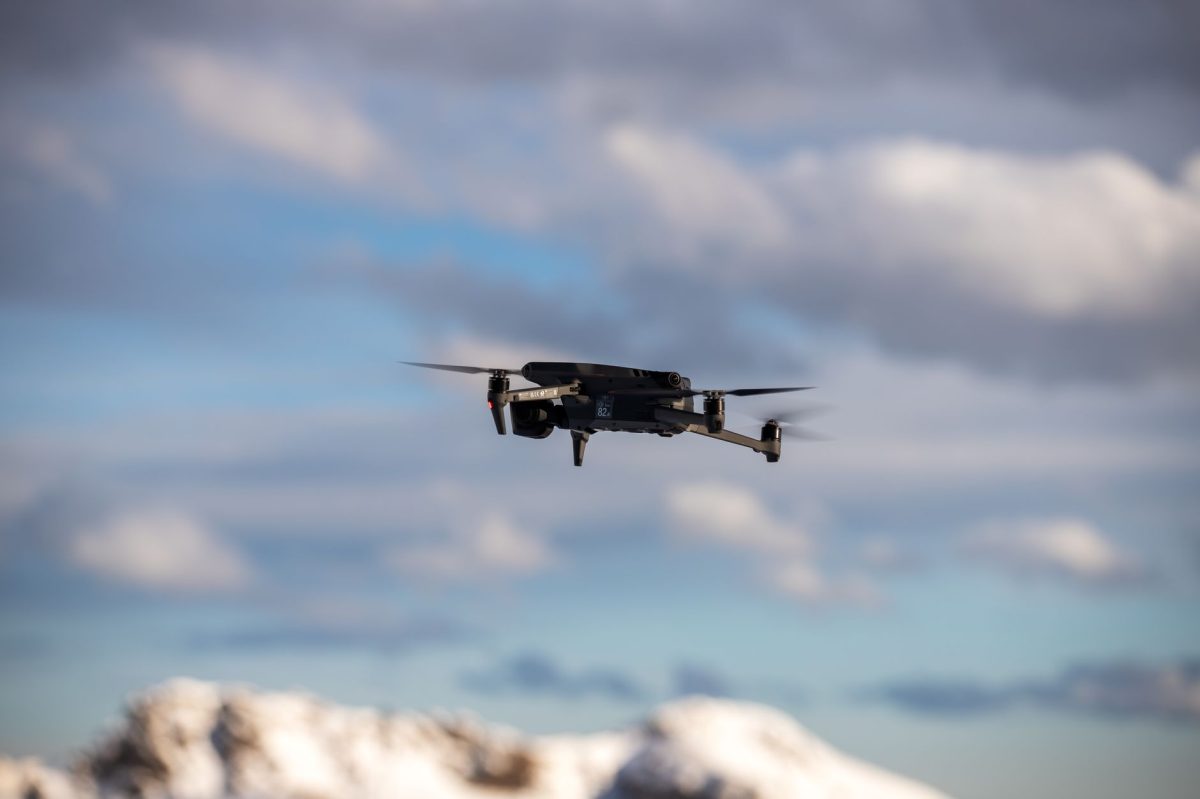
India's defense ministry has allocated significant funds for the development of long-range strike capabilities, with a focus on precision-guided munitions and advanced drone technology. This expansion of India's military reach has significant implications for regional security and the potential for future conflicts.
India's Military Enhances Long-Range Strike Capabilities
According to an interview with Dr. A. Sivathanu Pillai, former CEO of BrahMos Aerospace, a joint Indian-Russian venture developing supersonic cruise missiles, the Indian military is investing heavily in long-range strike capabilities. The BrahMos missile, which has a range of over 300 kilometers, has been in service since 2005 and has undergone several upgrades to enhance its accuracy and speed. The Indian military has also been testing a variant of the BrahMos missile with a range of over 1,000 kilometers, which could potentially be deployed for strikes against targets in neighboring countries. In 2020, the Indian military successfully tested the BrahMos-NG, a next-generation version of the missile with a range of over 400 kilometers. The development of long-range strike capabilities is part of India's broader defense modernization efforts, which include the acquisition of advanced fighter jets and submarines. Account to Dr. Pillai: 'The Indian military is looking at long-range strike capabilities as a key component of its defense strategy, particularly in the context of emerging threats from neighboring countries.'
The Implications of India's Long-Range Strike Capabilities
The expansion of India's long-range strike capabilities has significant implications for regional security and the potential for future conflicts. With the ability to strike targets over 1,000 kilometers away, India's military will have a significant advantage in terms of deterrence and power projection. This could lead to a shift in the balance of power in the region, potentially affecting the dynamics of existing alliances and rivalries. Furthermore, the development of long-range strike capabilities raises questions about the potential for India to engage in more assertive military action against its neighbors, particularly in the context of territorial disputes. According to a report by the Stockholm International Peace Research Institute (SIPRI), India has been increasingly assertive in its military posture, with a focus on developing capabilities for power projection. The expansion of India's long-range strike capabilities also raises concerns about the potential for escalation and miscalculation in the event of a conflict. With the ability to strike targets at long range, there is a risk that military action could escalate rapidly and uncontrollably, leading to unintended consequences. Account to a senior defense analyst: 'The development of long-range strike capabilities is a double-edged sword. While it provides India with significant military advantages, it also raises the risk of escalation and miscalculation.'


“The development of long-range strike capabilities is a key component of India's defense strategy, particularly in the context of emerging threats from neighboring countries.”
The Uncertainties Surrounding India's Long-Range Strike Capabilities
Despite the significant progress made in developing long-range strike capabilities, there are still several uncertainties surrounding this issue. One key question is the extent to which India's military will be able to integrate these new capabilities into its overall defense strategy. The Indian military has a reputation for being able to adapt quickly to new technologies, but the integration of long-range strike capabilities will require significant changes to its operational procedures and tactics. Another uncertainty is the potential for neighboring countries to respond to India's expanded military capabilities. Pakistan, in particular, has been developing its own long-range strike capabilities, including the development of the Babur-III cruise missile. The potential for a missile defense crisis in the region is a significant concern, particularly given the risk of miscalculation and escalation. According to a report by the Congressional Research Service, Pakistan has been developing its own long-range strike capabilities, including the development of the Babur-III cruise missile. The Indian military's ability to respond to these emerging threats will be critical in determining the success of its long-range strike capabilities.
Key Takeaways
- India's military is investing heavily in long-range strike capabilities, including the development of precision-guided munitions and advanced drone technology.
- The BrahMos missile has been upgraded to have a range of over 1,000 kilometers, making it a key component of India's long-range strike capabilities.
- The development of long-range strike capabilities has significant implications for regional security and the potential for future conflicts.
- India's military has been on high alert in recent weeks, with a significant deployment of troops and military equipment to the region of Kashmir.
- The Indian government has ordered a review of the BrahMos project in response to a recent report by the Comptroller and Auditor General (CAG).
What to Watch in the Coming Days
In the coming days, several key developments will shape the narrative surrounding India's long-range strike capabilities. One key event to watch is the Indian military's response to the recent tensions with Pakistan over the disputed region of Kashmir. The Indian military has been on high alert in recent weeks, with a significant deployment of troops and military equipment to the region. The potential for a military confrontation between India and Pakistan is a significant concern, particularly given the risk of escalation and miscalculation. Another key development to watch is the Indian government's response to the recent report by the Comptroller and Auditor General (CAG) on the development of the BrahMos missile. The report highlighted several concerns about the project's timeline and budget, which could potentially impact the development of long-range strike capabilities. According to a report by the Times of India, the Indian government has ordered a review of the BrahMos project in response to the CAG report.
The development of long-range strike capabilities is a critical component of India's defense modernization efforts, but it also raises significant questions about the potential for escalation and miscalculation in the event of a conflict. As the Indian military continues to expand its capabilities, it is essential to carefully consider the implications of these developments for regional security and the potential for future conflicts.