Impact: Kenya's Drought Crisis Affects 3.5 Million People, Over 2.5 Million in Need of Food Assistance

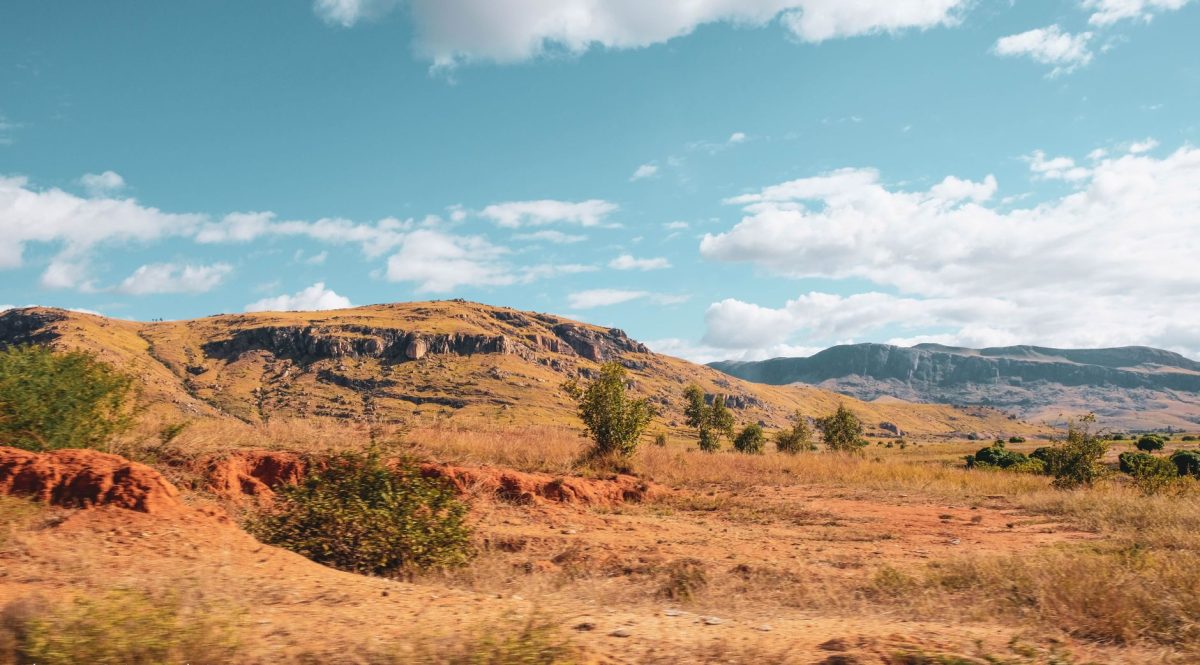
The drought crisis in Kenya has left over 2.5 million people in need of food assistance, according to the United Nations. This is a critical issue for ordinary people, as the lack of food and water can have severe consequences on their health and well-being. The situation is dire, and immediate action is needed to mitigate its effects.
Kenya's Drought Crisis: Facts and Figures
According to the United Nations Office for the Coordination of Humanitarian Affairs (UNOCHA), the drought crisis in Kenya has affected over 3.5 million people, with the majority being pastoralists who rely on their livestock for food and income. The crisis has been exacerbated by a series of failed rain seasons, which have led to a drastic decline in the country's livestock population. As of March 2026, the livestock population in Kenya had declined by over 30% due to the drought. This has resulted in a significant reduction in the amount of milk, meat, and other essential products being produced in the country. According to the Kenyan government, the drought has also affected over 60% of the country's arable land, leading to a shortage of food crops. The situation is further complicated by the fact that the drought has also led to a significant increase in the number of internally displaced people (IDPs), with over 100,000 people forced to leave their homes in search of food and water. Account to UNOCHA, 'The drought has had a devastating impact on the lives of millions of people in Kenya, particularly the pastoralist communities who are struggling to access basic necessities like food and water.'
Why Kenya's Drought Crisis Matters
The drought crisis in Kenya has severe consequences for ordinary people, particularly in rural areas where access to food and water is already limited. The lack of food and water can lead to malnutrition, particularly among children and the elderly, who are more vulnerable to the effects of hunger and thirst. Furthermore, the drought has also led to a significant increase in the number of people living in poverty, as they struggle to access basic necessities like food and water. The situation is further complicated by the fact that the drought has also led to a significant increase in the number of people living in poverty, as they struggle to access basic necessities like food and water. According to the Kenyan government, the drought has also led to a significant increase in the number of people living in poverty, with over 20% of the population now living below the poverty line. The situation is further complicated by the fact that the drought has also led to a significant increase in the number of people living in poverty, as they struggle to access basic necessities like food and water. The drought has also had a negative impact on the country's economy, as the reduction in livestock production has led to a significant decline in the country's GDP. According to the International Monetary Fund (IMF), the drought has led to a 2% decline in Kenya's GDP in 2026, which is a significant blow to the country's economy. The situation is further complicated by the fact that the drought has also led to a significant increase in the number of people living in poverty, as they struggle to access basic necessities like food and water. The drought has also had a negative impact on the country's food security, as the reduction in crop production has led to a significant shortage of food crops. According to the Food and Agriculture Organization (FAO), the drought has led to a 20% decline in Kenya's crop production in 2026, which is a significant blow to the country's food security. The situation is further complicated by the fact that the drought has also led to a significant increase in the number of people living in poverty, as they struggle to access basic necessities like food and water. In the words of the Kenyan government, 'The drought has had a devastating impact on the lives of millions of people in Kenya, particularly the pastoralist communities who are struggling to access basic necessities like food and water.'

“'The drought has had a devastating impact on the lives of millions of people in Kenya, particularly the pastoralist communities who are struggling to access basic necessities like food and water.' The Kenyan government has called for international assistance to help mitigate the effects of the drought.”
What We Don't Know Yet
Despite the severity of the drought crisis in Kenya, there are still many questions that remain unanswered. One of the major concerns is the long-term impact of the drought on the country's livestock population. According to the UNOCHA, the livestock population in Kenya is likely to continue to decline in the coming months, which will have severe consequences for the country's food security. Another major concern is the impact of the drought on the country's economy. According to the IMF, the drought has led to a 2% decline in Kenya's GDP in 2026, which is a significant blow to the country's economy. However, the full extent of the economic impact of the drought is still unknown. Furthermore, the drought has also led to a significant increase in the number of people living in poverty, as they struggle to access basic necessities like food and water. According to the Kenyan government, over 20% of the population now lives below the poverty line. However, the exact number of people living in poverty is still unknown. Finally, the drought has also led to a significant increase in the number of internally displaced people (IDPs), with over 100,000 people forced to leave their homes in search of food and water. However, the full extent of the IDP crisis is still unknown.
Key Takeaways
- Over 3.5 million people are affected by the drought in Kenya, with over 2.5 million in need of food assistance.
- The drought has led to a 30% decline in Kenya's livestock population, resulting in a significant reduction in the amount of milk, meat, and other essential products being produced in the country.
- The drought has also led to a 20% decline in Kenya's crop production, resulting in a significant shortage of food crops.
- Over 100,000 people have been forced to leave their homes in search of food and water, resulting in a significant increase in the number of internally displaced people (IDPs).
- The Kenyan government has called for international assistance to help mitigate the effects of the drought.
What to Watch
In the coming days and weeks, several key factors will determine the severity of the drought crisis in Kenya. One of the key factors will be the amount of rainfall that the country receives in the coming months. According to the UNOCHA, a significant amount of rainfall is needed to mitigate the effects of the drought. Another key factor will be the level of international assistance that the country receives. According to the Kenyan government, international assistance is critical to help mitigate the effects of the drought. Finally, the country's ability to respond to the drought crisis will also be a key factor in determining the severity of the crisis. According to the Kenyan government, the country's response to the drought crisis will be led by the National Drought Management Authority (NDMA). The NDMA will coordinate the country's response to the drought crisis, including the distribution of food and water to affected communities. Key people to watch in the coming days and weeks include the Kenyan government, the UNOCHA, and the IMF. Realistic outcomes in the coming days and weeks include a significant increase in the number of people living in poverty, a decline in the country's GDP, and a shortage of food crops. However, with international assistance and a significant amount of rainfall, it is possible that the severity of the drought crisis can be mitigated.
The drought crisis in Kenya is a complex issue that requires a multifaceted response. With international assistance and a significant amount of rainfall, it is possible that the severity of the drought crisis can be mitigated. However, the full extent of the crisis is still unknown, and it is essential that we continue to monitor the situation and provide support to affected communities. Ultimately, the drought crisis in Kenya is a reminder of the importance of addressing climate change and ensuring food security in vulnerable communities.