Ukraine Claims Hits on Dozen More Russian Fuel Tankers in Sea of Azov

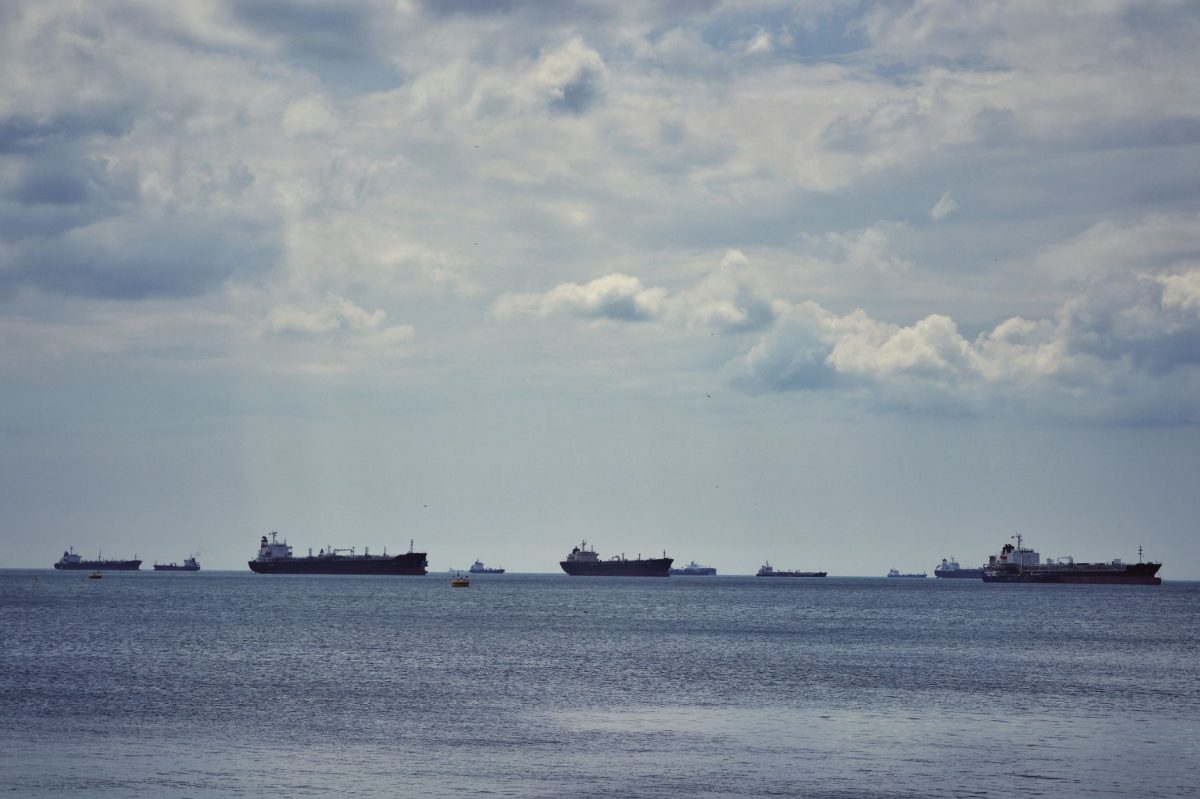
Ukraine's military announced that a dozen Russian fuel tankers were hit by Ukrainian drones in the Sea of Azov overnight, a development that highlights the escalating campaign to disrupt Russia's fuel supplies to its forces in Crimea. This campaign has significant implications for the ongoing conflict and the region's energy security.
What Happened
According to a statement from the Ukrainian military, a dozen Russian fuel tankers were hit by Ukrainian drones in the Sea of Azov overnight. The attack is part of a larger campaign aimed at disrupting fuel supplies to Russian forces in Crimea. The Ukrainian military reported that the tankers were targeted in the waters off the coast of the Crimean Peninsula. The Ukrainian military has not disclosed the exact location of the attack, but it is believed to have taken place near the port city of Berdiansk. The attack is the latest in a series of incidents targeting Russian fuel tankers in the Sea of Azov, which has been a key transportation route for Russia's energy supplies. Account to Reuters, the Ukrainian military has been using drones to target Russian fuel tankers in the Sea of Azov since April, with the aim of disrupting Russia's fuel supplies to its forces in Crimea.
Why It Matters
The campaign to disrupt Russia's fuel supplies has significant implications for the ongoing conflict and the region's energy security. The Ukrainian military's use of drones to target Russian fuel tankers has been a game-changer in the conflict, as it has allowed Ukraine to strike at the heart of Russia's fuel supplies without putting its own troops at risk. The impact of the attack on Russia's fuel supplies is still unclear, but it is likely to have a significant effect on the country's ability to wage war in Ukraine. The attack also highlights the importance of the Sea of Azov as a key transportation route for Russia's energy supplies. The Sea of Azov is a strategic waterway that connects Russia to the Black Sea, and it has been a key route for Russian energy exports to Europe. The attack on the fuel tankers is likely to have a ripple effect on the region's energy security, as it could disrupt Russia's ability to export energy to Europe. The attack also highlights the importance of Ukraine's military strategy, which has been focused on disrupting Russia's fuel supplies and weakening its ability to wage war.


“The Ukrainian military's use of drones to target Russian fuel tankers is a clear indication of our commitment to defending our territory and disrupting Russia's fuel supplies,”
What We Don't Know Yet
The full extent of the damage caused by the attack on the fuel tankers is still unclear, and it is likely to take days or even weeks to fully assess the impact. The Ukrainian military has not disclosed the exact location of the attack, and it is unclear whether any of the tankers were carrying fuel or other cargo. The attack also raises questions about the effectiveness of Russia's air defenses in the Sea of Azov, and whether they were able to detect and engage the Ukrainian drones. The attack highlights the complexity of the conflict and the challenges faced by both sides in terms of logistics and supply chains. The attack also raises questions about the humanitarian impact of the conflict, particularly on the civilian population in Crimea.
What to Watch
The next 24-72 hours will be critical in determining the impact of the attack on Russia's fuel supplies. The Ukrainian military is likely to continue its campaign to disrupt Russia's fuel supplies, and it is unclear whether Russia will be able to respond effectively. The attack also raises questions about the role of the international community in resolving the conflict, and whether there will be any international intervention to prevent further escalation. The attack also highlights the importance of diplomatic efforts to resolve the conflict, and whether there will be any breakthroughs in the coming days.
The Sea of Azov is the smallest sea in the world, with a total area of approximately 37,500 square kilometers, yet it plays a critical role in the global energy market.
The attack on the fuel tankers highlights the escalating conflict in Ukraine and the importance of the Sea of Azov as a key transportation route for Russia's energy supplies. The impact of the attack on Russia's fuel supplies is still unclear, but it is likely to have a significant effect on the country's ability to wage war in Ukraine.