Investigation: Egypt Prisoner With Apparent Brain Tumor Denied Medical Care

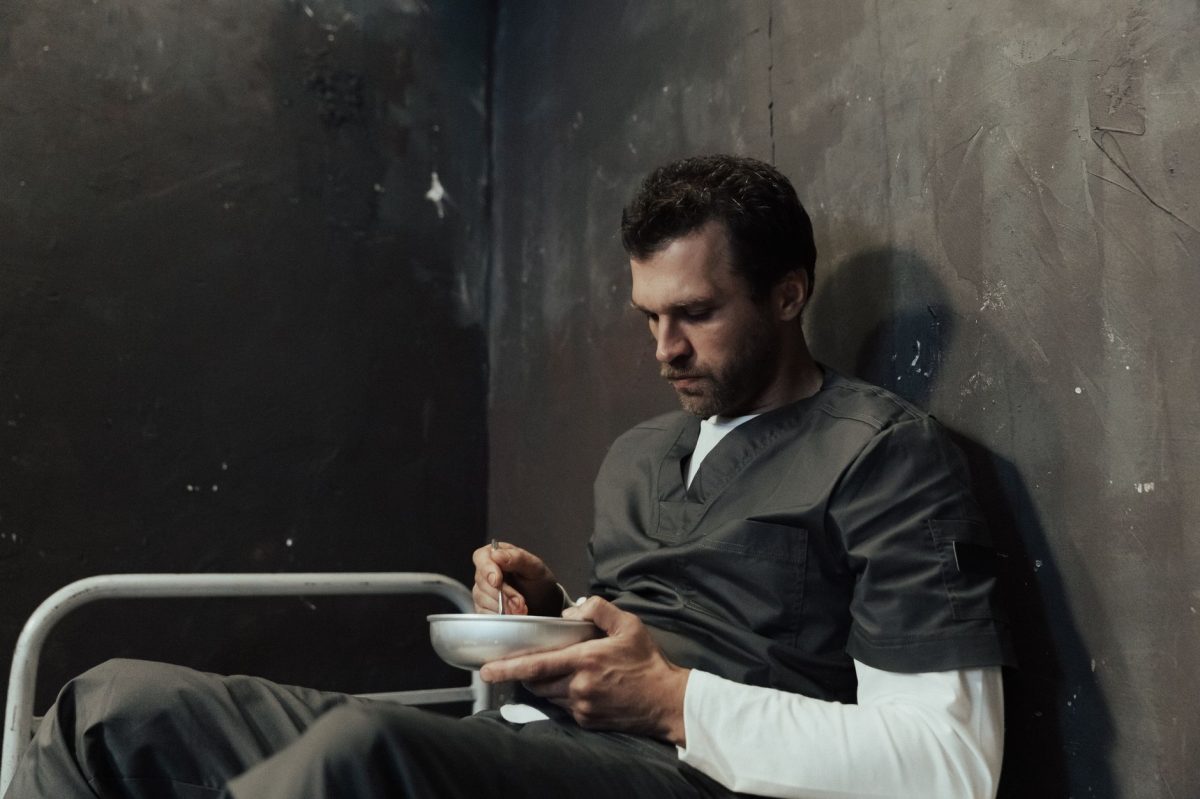
Egyptian prisoner Mohamed Ramadan has been denied medical care for an apparent brain tumor, despite a court ruling requiring his transfer to a hospital. This case raises concerns about Egypt's treatment of prisoners with disabilities and its obligations under international law.
Mohamed Ramadan's Apparent Brain Tumor and Denied Medical Care
According to an account to Human Rights Watch, Mohamed Ramadan, a 35-year-old Egyptian prisoner, has been denied medical care for an apparent brain tumor. Ramadan was sentenced to death in 2022 following a trial that Human Rights Watch described as unfair. The organization alleged that Ramadan was subjected to torture during his detention, which likely contributed to his deteriorating health. In 2023, a court ruled that Ramadan should be transferred to a hospital for medical attention, but prison authorities have failed to comply with the order. As of March 2024, Ramadan remains incarcerated, despite his apparent brain tumor and the court's ruling.
Why It Matters: International Obligations and Prisoner Rights
Egypt's denial of medical care to prisoners with disabilities like Ramadan raises serious concerns about the country's adherence to international law. The United Nations Convention on the Rights of Persons with Disabilities requires states to ensure that individuals with disabilities have access to healthcare and other essential services. Egypt's failure to provide Ramadan with medical care, despite a court order, highlights the need for urgent reform in the country's treatment of prisoners. This case also underscores the importance of ensuring that prisoners have access to fair trials and are protected from torture, which can exacerbate existing health conditions. The international community should hold Egypt accountable for its obligations under international law and ensure that prisoners like Ramadan receive the medical care they need.


“Human Rights Watch has documented numerous cases of prisoners with disabilities being denied medical care in Egypt. This is a clear violation of Egypt's obligations under international law and requires immediate attention from the international community.”
What We Don't Know Yet: Uncertainty and Gaps in the Case
While Human Rights Watch has documented allegations of torture and an unfair trial, the full extent of Ramadan's health condition and the circumstances surrounding his detention remain unclear. The Egyptian government has not provided a clear explanation for its failure to comply with the court's order to transfer Ramadan to a hospital. Additionally, the international community has yet to take concrete action to address Egypt's treatment of prisoners with disabilities. These gaps in knowledge and action highlight the need for further investigation and advocacy to ensure that prisoners like Ramadan receive the medical care they need and are protected from human rights abuses.
What to Watch: Key Developments in the Case
The next 24-72 hours are critical in the case of Mohamed Ramadan. The international community should closely monitor the situation and hold Egypt accountable for its obligations under international law. Key individuals to watch include Mohamed Ramadan himself, as well as the Egyptian government and Human Rights Watch. Realistic outcomes include the transfer of Ramadan to a hospital for medical attention, the revocation of his death sentence, or further international pressure on Egypt to reform its treatment of prisoners with disabilities.
Despite being a signatory to the United Nations Convention on the Rights of Persons with Disabilities, Egypt has one of the poorest records of compliance with the treaty, with widespread reports of prisoners with disabilities being denied medical care and subjected to torture.
The case of Mohamed Ramadan serves as a stark reminder of the need for urgent reform in Egypt's treatment of prisoners with disabilities. The international community should hold Egypt accountable for its obligations under international law and ensure that prisoners like Ramadan receive the medical care they need. As we continue to monitor this case, it is essential to acknowledge the uncertainty and gaps in knowledge that remain, and to advocate for further investigation and action to protect the human rights of prisoners with disabilities.