Kenya's DPP Closes High-Profile Case Against Six Iranian Nationals in Methamphetamine Bust

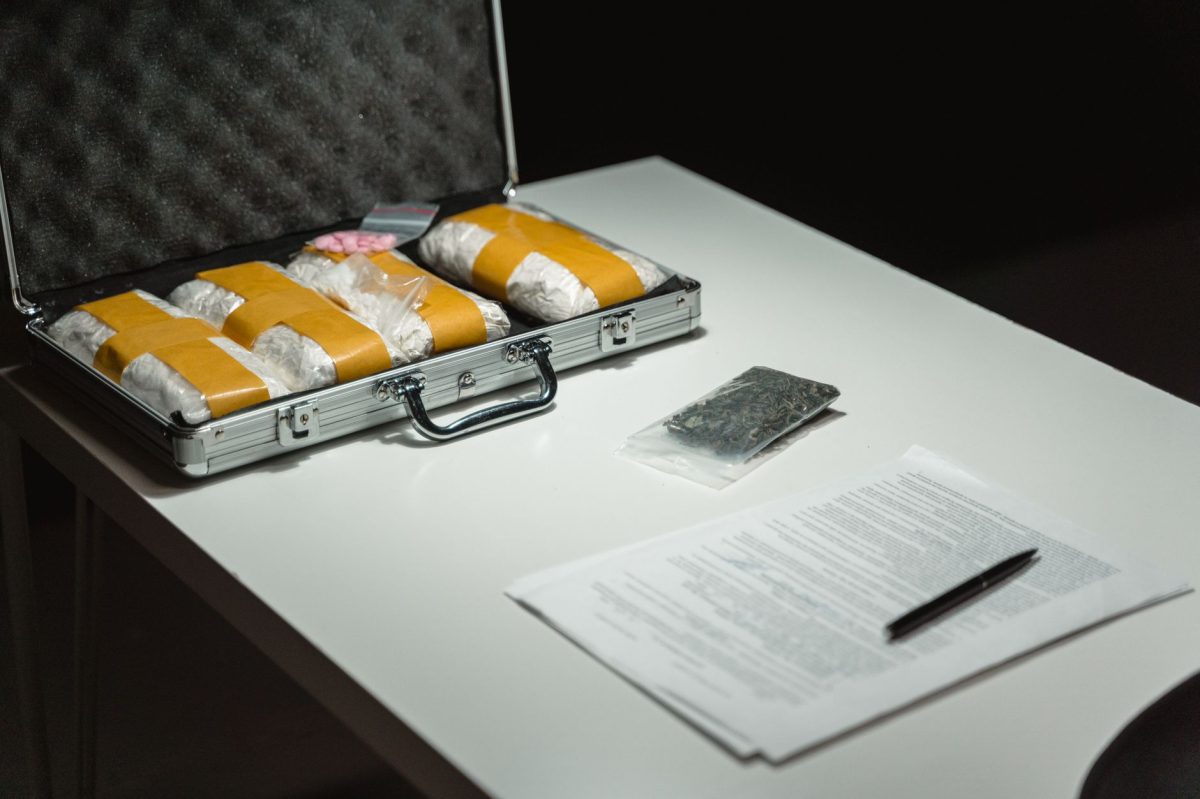
The Office of the Director of Public Prosecutions (DPP) has closed its case against six Iranian nationals accused of trafficking over one tonne of methamphetamine worth Sh8.2 billion in a landmark drug trafficking trial, marking a significant milestone in Kenya's efforts to combat transnational organized crime.
DPP Closes Case Against Six Iranian Nationals
According to the Director of Public Prosecutions (DPP), Noordin Haji, the Office has closed its case against six Iranian nationals accused of trafficking over one tonne of methamphetamine worth Sh8.2 billion in a landmark drug trafficking trial. The accused, who were arrested in 2020, are alleged to have been part of a larger syndicate that trafficked the illicit substance into Kenya from Iran. The methamphetamine, which was seized by the National Police Service, had a street value of Sh8.2 billion, making it one of the largest seizures of its kind in Kenya's history. Account to Capital FM, the six Iranian nationals were arrested at the Jomo Kenyatta International Airport in Nairobi and have been in custody since their arrest. The DPP, in a statement, said that the case was closed after the prosecution had presented its evidence, and the defense had responded. The next step in the trial will be for the defense to present its case, and the court will then deliberate on the matter. The trial, which is being heard by the High Court in Nairobi, is expected to conclude soon. The six Iranian nationals are accused of trafficking over one tonne of methamphetamine worth Sh8.2 billion through Kenya's international airport. The DPP has said that the case was a significant milestone in Kenya's efforts to combat transnational organized crime.
Why It Matters
The closure of the DPP's case against the six Iranian nationals is significant because it highlights the scale of the problem of transnational organized crime in Kenya. The fact that over one tonne of methamphetamine worth Sh8.2 billion was trafficked into Kenya through the country's international airport suggests that there are significant vulnerabilities in the country's border control systems. The case also highlights the importance of international cooperation in combating transnational organized crime. The six Iranian nationals are accused of being part of a larger syndicate that trafficked the illicit substance into Kenya from Iran, suggesting that the problem of transnational organized crime is not limited to Kenya but is a global issue. The case also highlights the need for Kenya to strengthen its laws and institutions to combat transnational organized crime. The fact that the DPP has closed its case against the six Iranian nationals suggests that the country is taking steps to strengthen its institutions and laws to combat the problem. However, the case also raises questions about the effectiveness of Kenya's border control systems in preventing the trafficking of illicit substances into the country.


“The closure of the DPP's case against the six Iranian nationals is a significant milestone in Kenya's efforts to combat transnational organized crime. It highlights the scale of the problem and the importance of international cooperation in combating it.”
What We Don't Know Yet
Despite the closure of the DPP's case against the six Iranian nationals, there are still many questions that remain unanswered. One of the key questions is how the six Iranian nationals were able to traffic over one tonne of methamphetamine worth Sh8.2 billion into Kenya through the country's international airport. The fact that the DPP has closed its case against the six Iranian nationals suggests that the prosecution has presented its evidence, but the defense has yet to present its case. The court will then deliberate on the matter, and it is unclear what the outcome will be. Another question is what measures the government is taking to strengthen its border control systems to prevent the trafficking of illicit substances into the country. The fact that over one tonne of methamphetamine worth Sh8.2 billion was trafficked into Kenya through the country's international airport suggests that there are significant vulnerabilities in the country's border control systems. The government has said that it is taking steps to strengthen its laws and institutions to combat transnational organized crime, but the effectiveness of these measures is unclear.
What to Watch
The trial of the six Iranian nationals is expected to conclude soon, and it is unclear what the outcome will be. The court will deliberate on the matter, and it is possible that the six Iranian nationals will be found guilty and sentenced to prison. Alternatively, the court may acquit the six Iranian nationals, which would suggest that there is significant doubt about the evidence presented by the prosecution. The government is also taking steps to strengthen its border control systems to prevent the trafficking of illicit substances into the country. The effectiveness of these measures is unclear, but it is possible that they will be effective in preventing the trafficking of illicit substances into the country. The trial of the six Iranian nationals is a significant milestone in Kenya's efforts to combat transnational organized crime, and it will be interesting to see how the case unfolds.
Methamphetamine is often trafficked through Kenya due to its strategic location as a transit hub for goods and people between Asia, Europe, and the Americas, with many traffickers taking advantage of the country's busy ports and airports to smuggle the drug into the country.
The trial of the six Iranian nationals is a significant milestone in Kenya's efforts to combat transnational organized crime. The case highlights the scale of the problem and the importance of international cooperation in combating it. However, there are still many questions that remain unanswered, and it is unclear what the outcome of the trial will be.