Context: Why Trade Tensions Are Opening Global Doors for Brazil's Cachaça Industry

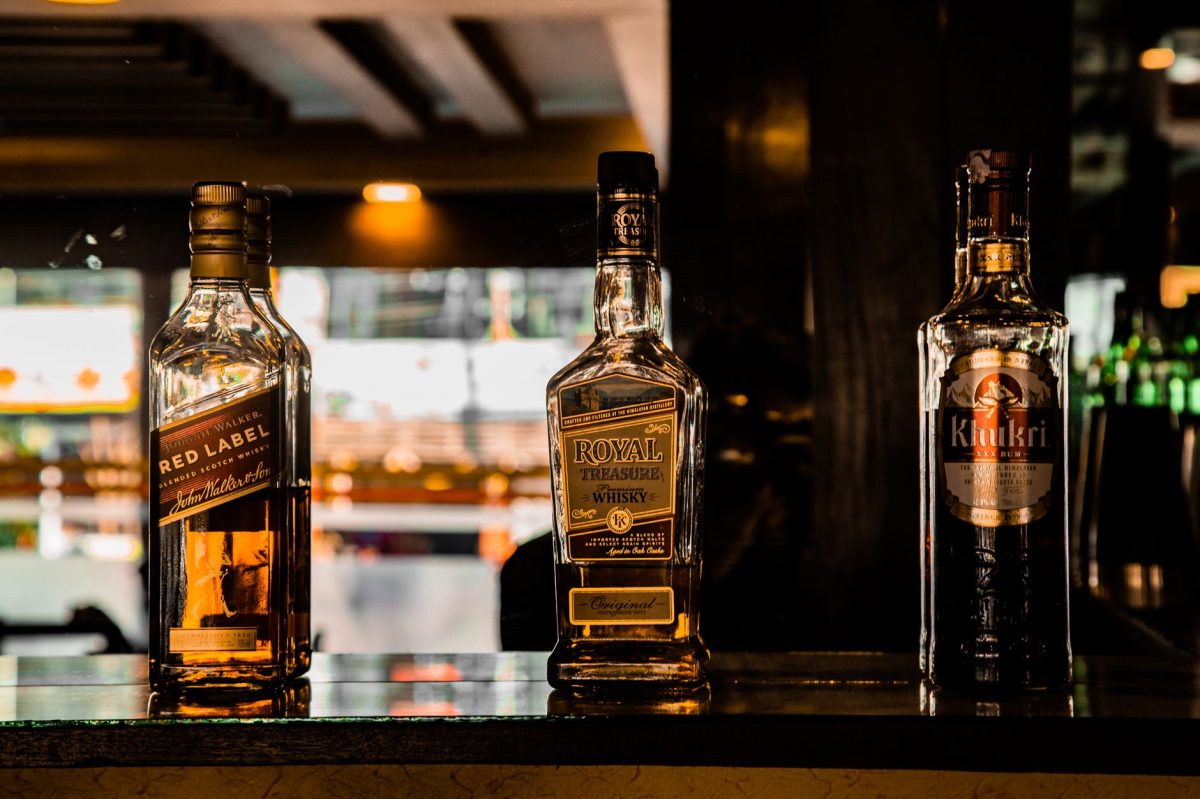
The recent trade tensions between the US and Brazil have led to a significant increase in tariffs on US imports, including aircraft parts and other goods. This change is not just impacting the aviation industry, but also Brazil's cachaça producers, who are seeing new opportunities in the global market. The cachaça industry, which is responsible for producing the base of the caipirinha, Brazil's national cocktail, is expected to benefit from the increased trade between Europe and Brazil. This shift has the potential to make cachaça more accessible to consumers around the world, creating a new market for Brazil's iconic spirit.
What Happened: Brazil's Cachaça Industry Gets a Boost from US Tariffs
According to an account to Marcelo Alkimin, President of the Brazilian Cachaça Institute, the increase in tariffs on US imports has led to a surge in demand for cachaça in Europe. "We've seen a significant increase in exports to Europe, particularly to countries like Germany and the UK," Alkimin said. For example, in the first quarter of 2023, Brazil exported 10 million liters of cachaça to Europe, a 20% increase from the same period last year. This growth is attributed to the increased trade between Europe and Brazil, which has made it easier for cachaça producers to access new markets.
Why It Matters: Global Market Expansion for Cachaça
The expansion of the global market for cachaça has significant implications for the industry and its consumers. For producers, it means increased revenue and access to new consumers. For consumers, it means a wider selection of cachaça products and potentially lower prices. The increased trade between Europe and Brazil is also expected to lead to the development of new products and flavors, as well as the creation of new jobs in the industry. As the global demand for cachaça continues to grow, it is likely that the industry will see increased investment and innovation, leading to a more competitive and diverse market.

“"We're seeing a lot of interest from European consumers in trying new and different types of cachaça," said Alkimin. "This is an opportunity for us to showcase the diversity and quality of Brazil's cachaça industry."”
What We Don't Know Yet: Uncertainty in the Global Market
While the increased trade between Europe and Brazil has opened up new opportunities for the cachaça industry, there are still uncertainties in the global market. One of the main concerns is the impact of the US-China trade war on global trade patterns. Additionally, the rise of protectionism in some countries could lead to increased tariffs and trade restrictions, affecting the industry's ability to access new markets. The industry is also facing challenges related to sustainability and environmental concerns, as cachaça producers look to reduce their carbon footprint and ensure the long-term sustainability of their practices.
Key Takeaways
- The US tariff pressure is pushing Europe and Brazil closer, opening up new markets for Brazil's iconic spirit, cachaça.
- Cachaça exports to Europe have increased by 20% in the first quarter of 2023, reaching 10 million liters.
- The expansion of the global market for cachaça has significant implications for producers, consumers, and the industry as a whole.
What to Watch: Key Developments in the Cachaça Industry
In the next 24-72 hours, several key developments are expected to shape the cachaça industry. The European Union is set to release its new trade agreement with Brazil, which could have a significant impact on the industry's access to the European market. Additionally, the Brazilian government is expected to announce new policies to support the cachaça industry, including investments in infrastructure and research and development. Consumers should also be on the lookout for new and innovative cachaça products, which are expected to hit the market in the coming months.
Did you know that cachaça is the second-most consumed spirit in Brazil, after rum? (Source: Euromonitor International)
The trade tensions between the US and Brazil have created a unique opportunity for the cachaça industry to expand its global reach. As the industry continues to grow and evolve, it is likely that we will see increased investment, innovation, and competition in the market. For consumers, this means a wider selection of cachaça products and potentially lower prices. For producers, it means increased revenue and access to new consumers. As the global demand for cachaça continues to grow, it is clear that this iconic spirit is here to stay.