While Everyone Focused on the US-China Trade Tensions, Brian Mast Warned of the AI Superhero and Supervillain Confrontation

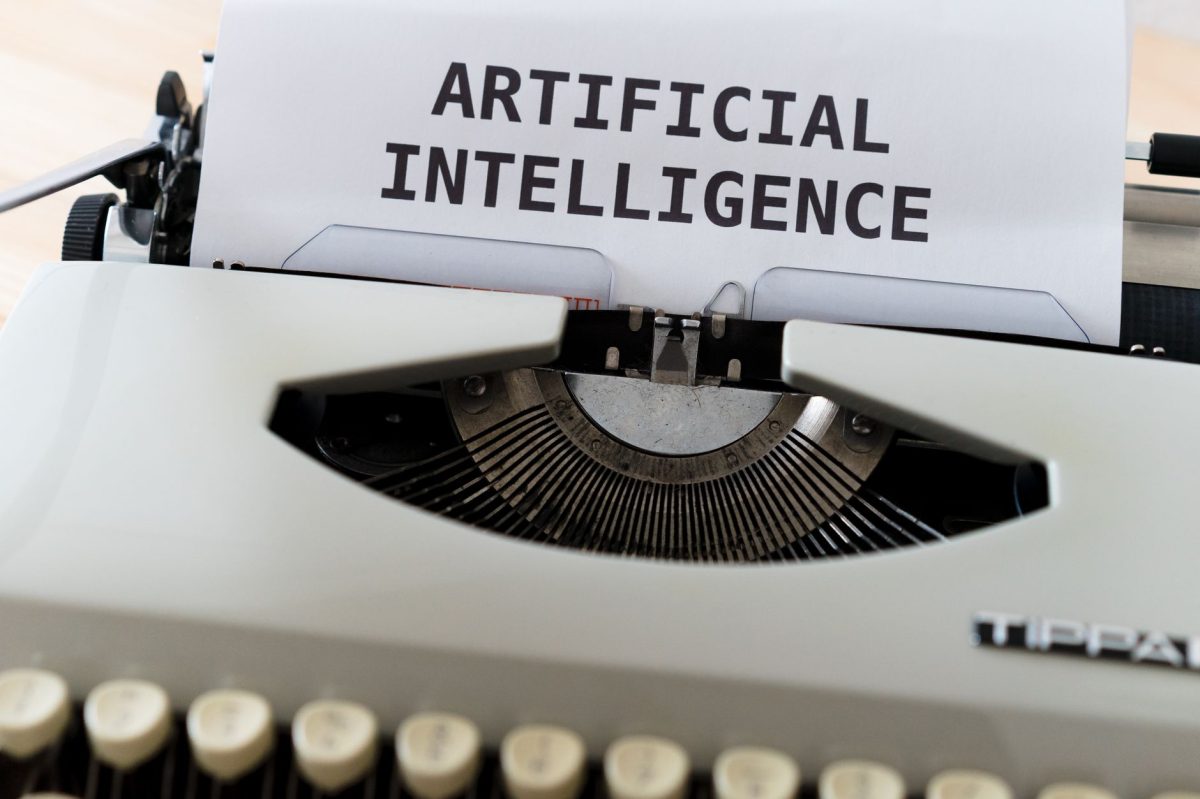
US House Foreign Affairs Committee Chairman Brian Mast recently warned of a looming 'superhero' and 'supervillain' confrontation over global artificial intelligence (AI) leadership between the US and China. This statement highlights the intense competition in the AI sector, where advancements can significantly impact the lives of ordinary people. The AI-powered technology is becoming increasingly pervasive, affecting various aspects of society, from healthcare to transportation. The warning sign has been raised by Mast, and it's crucial to understand the implications of this developing situation.
US House Foreign Affairs Committee Chairman Brian Mast Warns of AI Superhero and Supervillain Confrontation
Account to Reuters, US House Foreign Affairs Committee Chairman Brian Mast issued a stark warning on Thursday regarding the global AI contest between the US and China. Mast stated that "America is the superhero" and China the "supervillain" in this contest. The warning was made during a hearing on Capitol Hill, where he expressed concerns about the potential consequences of China's AI advancements. According to Mast, China's AI ambitions pose a significant threat to global security and stability. He emphasized the need for the US to stay ahead in the AI race to maintain its position as a world leader. Mast also highlighted the importance of investing in AI research and development to ensure the US remains competitive. As an example of the US's AI prowess, he mentioned the development of AI-powered autonomous vehicles, which he believes can significantly improve road safety. Mast's warning highlights the intense competition in the AI sector, where advancements can significantly impact the lives of ordinary people.
Why the AI Confrontation Matters
The AI confrontation between the US and China has far-reaching implications for the global community. On one hand, the advancements in AI technology can lead to significant improvements in various sectors, such as healthcare, transportation, and education. AI-powered healthcare can lead to better diagnosis and treatment of diseases, while AI-powered transportation can reduce accidents and improve traffic flow. However, the increased reliance on AI also raises concerns about job displacement and the potential for AI systems to become biased and discriminatory. Furthermore, the development of AI-powered military systems can lead to an arms race and exacerbate global security tensions. The stakes of the AI confrontation are high, and it's essential to consider the broader implications on society.


“America is the superhero, and China is the supervillain in this contest. We need to stay ahead and make sure that we are investing in the right technologies and the right research to ensure that we remain competitive.”
What We Don't Know Yet
Despite the warnings from Mast and other experts, there are still many unknowns about the AI confrontation between the US and China. One of the biggest uncertainties is the extent to which China's AI ambitions are driven by strategic interests rather than economic needs. While China's AI development is driven by a mix of both, the strategic interests are believed to be a significant factor. Another uncertainty is the potential consequences of a US-China AI confrontation. While Mast and other experts warn of a potential arms race and global security tensions, others argue that the confrontation can lead to a more peaceful and cooperative relationship between the two nations. The AI confrontation is a complex and multifaceted issue, and it's essential to consider the various perspectives and uncertainties.
What to Watch
The AI confrontation between the US and China is a developing situation, and there are several key people and outcomes to monitor in the next 24-72 hours. One of the key people to watch is President Joe Biden, who has been actively engaged in promoting US AI development and use. The president's speech at the AI for America Summit in May highlighted the importance of investing in AI research and development to ensure the US remains competitive. Another key person to watch is Chinese President Xi Jinping, who has been aggressively promoting China's AI development and use. Jinping's speech at the 2020 China AI Industry Summit emphasized the importance of AI in driving China's economic growth and global influence. The next few days will be crucial in determining the trajectory of the AI confrontation between the US and China.
Interestingly, the term 'Artificial Intelligence' was coined in 1956 by computer scientist John McCarthy, and the first AI program was developed in 1951 by Alan Turing, who is considered the father of computer science and AI.