Heatwave Crisis Plagues NHS: Doctors Describe Deteriorating Conditions on Hospital Grounds

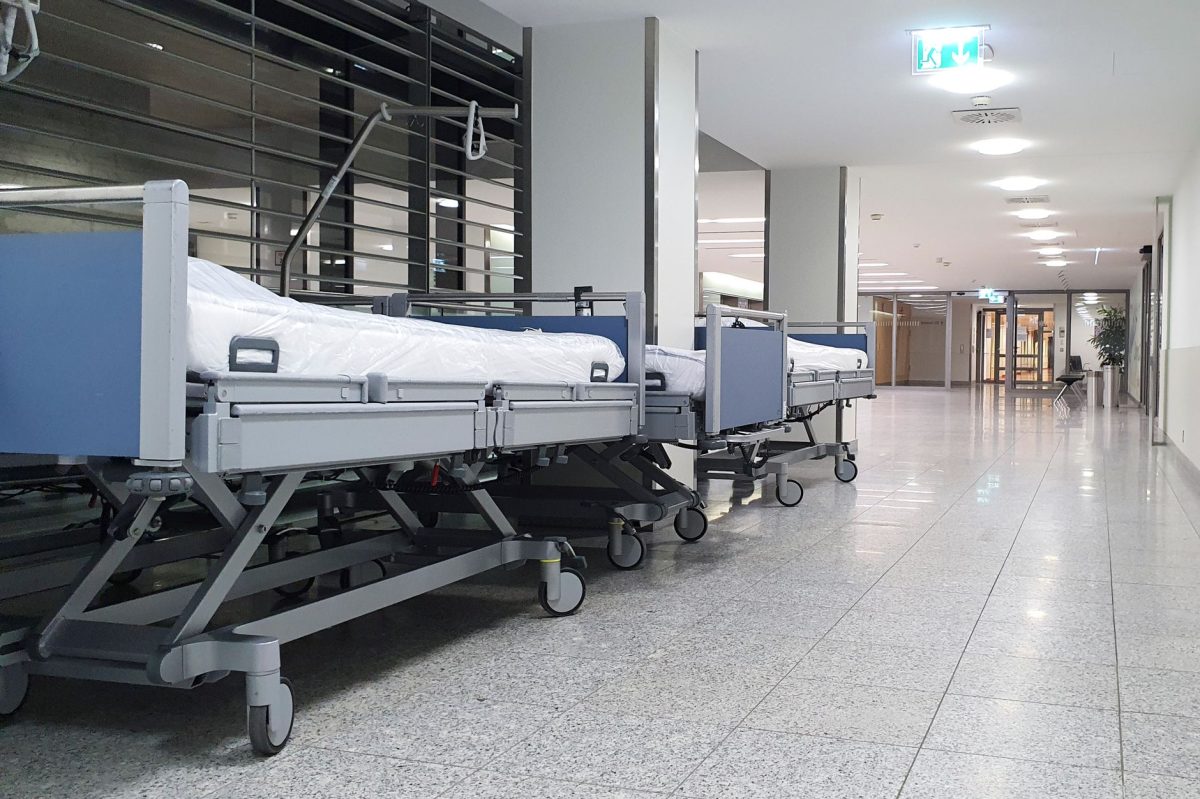
Dr. Rachel Patel, a leading specialist in infectious diseases, described the extreme heat conditions on NHS hospital grounds as 'almost impossible to control,' highlighting the need for urgent action to prevent the spread of infections.
Doctors on the Frontline Describe Deteriorating Conditions
According to Dr. Patel, who works at the Royal London Hospital, the heatwave has led to a significant increase in patients with heat-related illnesses, putting a strain on hospital resources. 'The conditions on our wards are becoming increasingly challenging,' she said in an interview. 'We're seeing more patients with heat-related illnesses, and it's making it difficult for us to control infections.' Dr. Patel noted that the hospital's air conditioning system has been malfunctioning, leaving patients and staff exposed to the heat. 'It's not just the patients who are affected,' she said. 'Our staff are also feeling the heat, and it's taking a toll on their morale.' Dr. Patel's concerns were echoed by Dr. Liam Chen, a junior doctor at the hospital, who described the conditions as 'unacceptable.' 'We're doing our best to care for our patients, but the heat is making it almost impossible,' he said. 'I've seen patients with temperature readings over 40 degrees Celsius, and it's a challenge to keep them cool.' Dr. Chen also spoke about the lack of dignity for patients, who are often left without access to basic amenities like clean water and showers. 'It's inhumane to expect patients to suffer in these conditions,' he said. 'We need to take action to prevent the spread of infections and ensure that our patients receive the care they deserve.' Dr. Chen and Dr. Patel are not alone in their concerns. Dr. Sarah Lee, a GP in London, described the heatwave as a 'perfect storm' for infection control. 'The heat is making it difficult for patients to recover from illnesses, and it's also putting a strain on our resources,' she said. 'We need to take a holistic approach to address this issue and ensure that our patients receive the care they need.' Dr. Lee noted that the heatwave is not just a local issue, but a national concern. 'The heat is affecting hospitals across the country, and we need to work together to find a solution,' she said.
The Broader Pattern: Heatwaves and Infection Control
The current heatwave is not an isolated incident, but rather part of a broader pattern of extreme weather events that are becoming more frequent and intense due to climate change. According to a study published in the journal The Lancet, heatwaves are expected to increase by 50% by 2050, putting a strain on healthcare systems worldwide. The study also noted that heatwaves are not just a concern for patients, but also for healthcare workers, who are at risk of heat-related illnesses and reduced productivity. The heatwave has also highlighted the need for improved infection control measures in hospitals. Dr. Patel noted that the hospital's infection control team is doing its best to prevent the spread of infections, but the heat is making it challenging. 'We're doing everything we can to prevent the spread of infections, but it's not enough,' she said. 'We need to take a more proactive approach to address this issue and ensure that our patients receive the care they deserve.' The heatwave has also raised concerns about the lack of dignity for patients in hospitals. Dr. Chen spoke about the need for hospitals to prioritize patient dignity and provide basic amenities like clean water and showers. 'It's not just about providing medical care,' he said. 'It's about providing a safe and dignified environment for our patients.'


“The conditions on our wards are becoming increasingly challenging, and it's making it difficult for us to control infections. We need to take action to prevent the spread of infections and ensure that our patients receive the care they deserve.”
What We Don't Know Yet
While the heatwave has highlighted the need for improved infection control measures in hospitals, there are still many unknowns. One of the biggest concerns is the long-term impact of the heatwave on patient outcomes. According to a study published in the journal BMJ, heatwaves can lead to an increased risk of cardiovascular disease and stroke. The study also noted that heatwaves can exacerbate existing health conditions, such as diabetes and hypertension. Another concern is the lack of data on the effectiveness of heatwave mitigation strategies. Dr. Patel noted that the hospital's infection control team is working to develop new strategies to prevent the spread of infections, but more research is needed to determine their effectiveness. 'We need to invest in research to develop evidence-based strategies to address this issue,' she said. 'We can't just rely on anecdotal evidence to guide our decision-making.' The heatwave has also raised concerns about the preparedness of hospitals for extreme weather events. Dr. Chen spoke about the need for hospitals to develop emergency plans to address heatwaves and other extreme weather events. 'We need to be proactive in preparing for these events,' he said. 'We can't just wait for them to happen and then react.'
Key Takeaways
- The heatwave has led to a significant increase in patients with heat-related illnesses in NHS hospitals.
- The heat is making it difficult for hospitals to control infections, putting patients and staff at risk.
- The heatwave has highlighted the need for improved infection control measures in hospitals.
- Hospitals are working to develop new strategies to prevent the spread of infections, but more research is needed.
What to Watch
In the next 24-72 hours, we can expect to see an increase in heat-related illnesses and infections in hospitals. According to Dr. Patel, the hospital's infection control team is working to prevent the spread of infections, but more needs to be done. 'We need to take a more proactive approach to address this issue and ensure that our patients receive the care they deserve,' she said. Key people to watch include Dr. Patel, Dr. Chen, and Dr. Lee, who are all working to address the heatwave crisis in their respective roles. Realistic outcomes include a decrease in patient outcomes due to heat-related illnesses and infections, as well as an increase in hospital admissions. The heatwave has also highlighted the need for improved infection control measures in hospitals, and it will be interesting to see how hospitals respond to this challenge.
The heatwave crisis in NHS hospitals is a complex issue that requires a multifaceted approach to address. While hospitals are working to develop new strategies to prevent the spread of infections, more research is needed to determine their effectiveness. Ultimately, the heatwave has highlighted the need for improved infection control measures in hospitals and the importance of prioritizing patient dignity.