Future: What Happens Next With Chinese Firms Controlling Argentine Squid Fleet

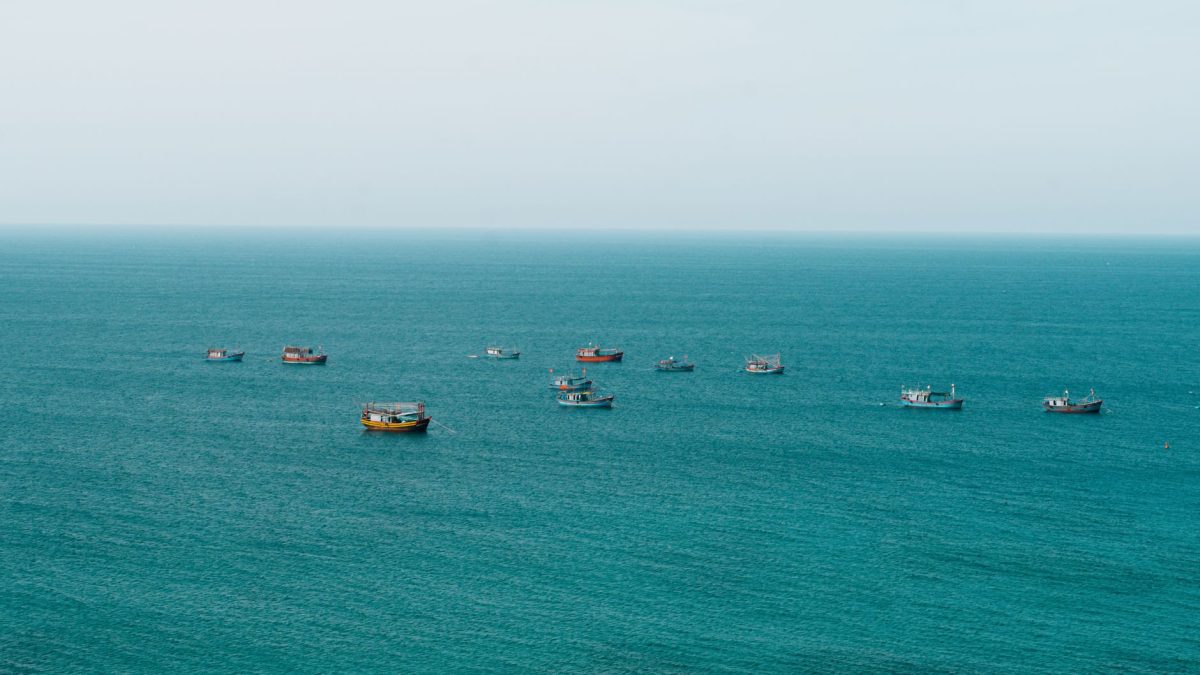
Chinese firms controlling nearly two-thirds of Argentina's squid fleet has sparked concerns about the country's fishing industry and marine conservation. This raises questions about the environmental impact and economic implications for local communities. The report highlights the need for regulation and oversight to ensure sustainable fishing practices.
What Happened
According to a report by illegal-fishing and marine-conservation organization Global Fishing Watch, companies of Chinese origin own 63.1% of the jigger fleet that fishes squid under the Argentine flag in Argentina's Exclusive Economic Zone. The report found that 137 out of 217 jiggers in the zone are registered to Chinese companies. A jigger is a type of fishing vessel used for catching squid. The report also noted that the Chinese-owned jiggers are often flagged to other countries, making it difficult to track their activities. Account to Global Fishing Watch's report states that the Chinese companies involved in the squid fishing industry in Argentina are often linked to larger conglomerates with operations in other countries. For example, one of the companies listed, 'Chenglong Group,' is a Chinese conglomerate with interests in real estate, mining, and agriculture.
Why It Matters
The control of Argentina's squid fleet by Chinese firms has significant implications for the country's fishing industry and marine conservation. Firstly, the dominance of Chinese companies in the squid fishing industry raises concerns about the environmental impact of their fishing practices. Squid fishing can be a destructive and unsustainable practice if not managed properly. The overfishing of squid can lead to the depletion of squid populations, which can have a ripple effect on the entire marine ecosystem. This can also affect the livelihoods of local fishermen and communities dependent on the fishing industry. Secondly, the control of the squid fleet by Chinese companies can also have economic implications for Argentina. The country's fishing industry is a significant contributor to the national economy, and the dominance of Chinese companies may result in a loss of revenue and jobs for local fishermen. According to a report by the Argentine Ministry of Agriculture and Livestock, the fishing industry accounted for 1.4% of the country's GDP in 2020.

“The control of Argentina's squid fleet by Chinese firms is a worrying trend that requires immediate attention from the Argentine government. We need to ensure that our fishing industry is sustainable and that local communities benefit from the resources of our Exclusive Economic Zone.”
What We Don't Know Yet
Despite the report's findings, there are still many questions and uncertainties surrounding the control of Argentina's squid fleet by Chinese firms. For example, it is unclear how the Chinese companies are able to register their vessels under the Argentine flag and operate in the country's Exclusive Economic Zone. The report notes that the lack of transparency and regulation in the fishing industry makes it difficult to track the activities of Chinese companies. Additionally, it is unclear whether the Argentine government is aware of the extent of Chinese control over the squid fleet and what measures they are taking to address the issue. Furthermore, there is limited information available on the social and economic impacts of the Chinese control of the squid fleet on local communities and the fishing industry as a whole.
Key Takeaways
- Chinese firms own 63.1% of the jigger fleet fishing squid under the Argentine flag in Argentina's Exclusive Economic Zone.
- The control of the squid fleet by Chinese companies raises concerns about the environmental impact and economic implications for local communities.
- The Argentine government is likely to respond to the report's findings and announce measures to address the issue.
- The fishing industry and local communities are likely to protest against the control of the squid fleet by Chinese firms.
- The international community is likely to take notice of the report's findings and call for greater cooperation and regulation in the fishing industry.
What to Watch
In the coming days and weeks, several key developments are likely to unfold regarding the control of Argentina's squid fleet by Chinese firms. Firstly, the Argentine government is likely to respond to the report's findings and announce measures to address the issue. This may include increasing regulation and oversight of the fishing industry, as well as taking action against Chinese companies found to be operating illegally. Secondly, the fishing industry and local communities are likely to protest against the control of the squid fleet by Chinese firms, demanding greater transparency and accountability from the government. Finally, the international community is likely to take notice of the report's findings and call for greater cooperation and regulation in the fishing industry.
Despite being one of the largest squid fishing nations, Argentina consumes very little squid, with the majority of its catch being exported to other countries, such as China and Japan.
The control of Argentina's squid fleet by Chinese firms highlights the need for greater transparency and regulation in the fishing industry. The Argentine government must take immediate action to address the issue and ensure that the country's fishing industry is sustainable and benefits local communities. Ultimately, the fate of Argentina's squid fleet will depend on the actions taken by the government and the international community.