Iran Closes Strait of Hormuz After Israeli Attacks on Lebanon

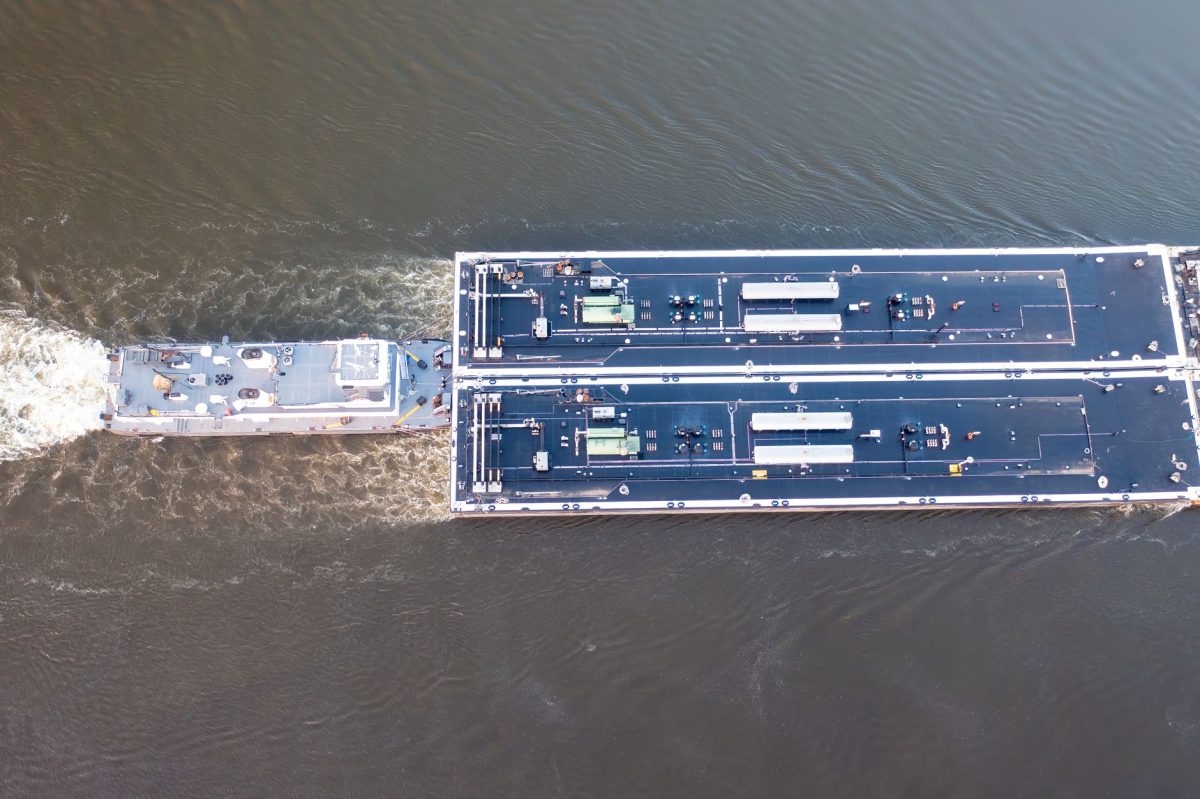
Iran has reportedly closed the Strait of Hormuz, a critical shipping lane for global oil exports, in response to Israeli attacks on Lebanon. This move has significant implications for international trade and global energy markets. The Strait of Hormuz is a narrow waterway that connects the Persian Gulf to the Gulf of Oman, allowing tankers to carry oil from Persian Gulf producers to refineries around the world.
Iran Closes Strait of Hormuz
According to Iranian state media, the country's armed forces have closed the Strait of Hormuz in response to Israeli airstrikes on Lebanon. The Iranian Revolutionary Guard Corps (IRGC) announced the closure in a statement, citing the need to protect Iranian interests and prevent further attacks on civilian targets. The move has been met with concern from international shipping companies and governments, which rely on the Strait of Hormuz for the transportation of oil and other vital commodities. Iran's decision to close the Strait of Hormuz has sparked fears of a larger conflict in the region. The Strait of Hormuz is a critical chokepoint for global oil exports, with over 20% of the world's oil passing through the waterway. The closure of the Strait of Hormuz has already led to concerns about the impact on global oil prices and the potential for supply chain disruptions. Account to Reuters: 'Iran's Revolutionary Guard Corps (IRGC) confirmed that vessels had been barred from passing through the Strait of Hormuz, but added that 'no foreign vessel will be harassed or threatened'. According to a report by the IRGC, 'no foreign vessel will be allowed to pass through the Strait of Hormuz unless they receive explicit permission from the Iranian authorities'. The report also stated that 'any attempts to pass through the Strait of Hormuz without permission will be strongly dealt with'.
Why it Matters
The closure of the Strait of Hormuz has significant implications for international trade and global energy markets. The Strait of Hormuz is a critical chokepoint for global oil exports, with over 20% of the world's oil passing through the waterway. According to the U.S. Energy Information Administration, the Strait of Hormuz is the most important shipping lane for oil exports, with over 18 million barrels of oil passing through the waterway every day. The closure of the Strait of Hormuz has already led to concerns about the impact on global oil prices and the potential for supply chain disruptions. This could have far-reaching consequences for the global economy, particularly for countries that rely heavily on imported oil. Furthermore, the closure of the Strait of Hormuz has raised concerns about the potential for a larger conflict in the region, which could have devastating consequences for the global economy and international relations.
“The closure of the Strait of Hormuz highlights the importance of finding a peaceful resolution to the ongoing conflict in the region. It's essential that all parties involved work towards a diplomatic solution to prevent further escalation and minimize the impact on global trade and energy markets.”
What We Don't Know Yet
There are several key questions that remain unanswered in the wake of the Strait of Hormuz closure. One of the most pressing concerns is the duration of the closure and whether it will remain in place until a resolution is reached. Additionally, there are questions about the potential for other countries to become involved in the conflict and whether the closure of the Strait of Hormuz will lead to a wider regional conflict. The Iranian government has stated that it will not hesitate to take further action if necessary, but it remains unclear what this might entail. Another key question is the potential impact of the closure on global oil prices and the potential for supply chain disruptions. According to a report by the International Energy Agency, the closure of the Strait of Hormuz could lead to a 10% increase in global oil prices, which would have significant consequences for the global economy.
What to Watch
There are several key individuals and events to watch in the coming days and weeks. One of the most critical figures is Iranian President Ebrahim Raisi, who has been instrumental in shaping the country's foreign policy. Another key player is Israeli Prime Minister Benjamin Netanyahu, who has been vocal about his support for the Israeli airstrikes on Lebanon. Additionally, the United States has been actively involved in efforts to resolve the conflict, with Secretary of State Antony Blinken playing a key role in diplomatic efforts. In the coming days and weeks, it's essential to monitor developments in the region, including any further escalation of tensions or attempts to negotiate a peaceful resolution. The United States has stated that it will work to ensure the safe passage of oil tankers through the Strait of Hormuz.
Despite being a critical chokepoint for global oil exports, the Strait of Hormuz is only 21 miles wide at its narrowest point, making it one of the most vulnerable shipping lanes in the world.
The closure of the Strait of Hormuz is a complex and multifaceted issue that has significant implications for international trade and global energy markets. As the situation continues to unfold, it's essential to remain informed and monitor developments in the region.